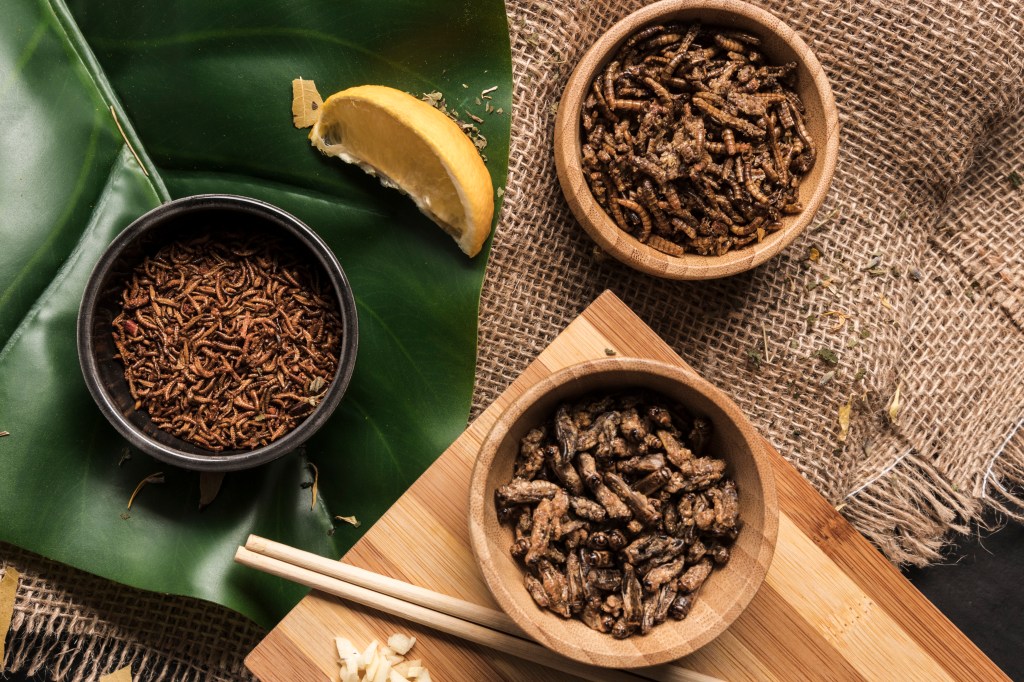
Edible insects have been a staple source of nutrition for many cultures around the world, offering a sustainable and protein-rich alternative to traditional meats.
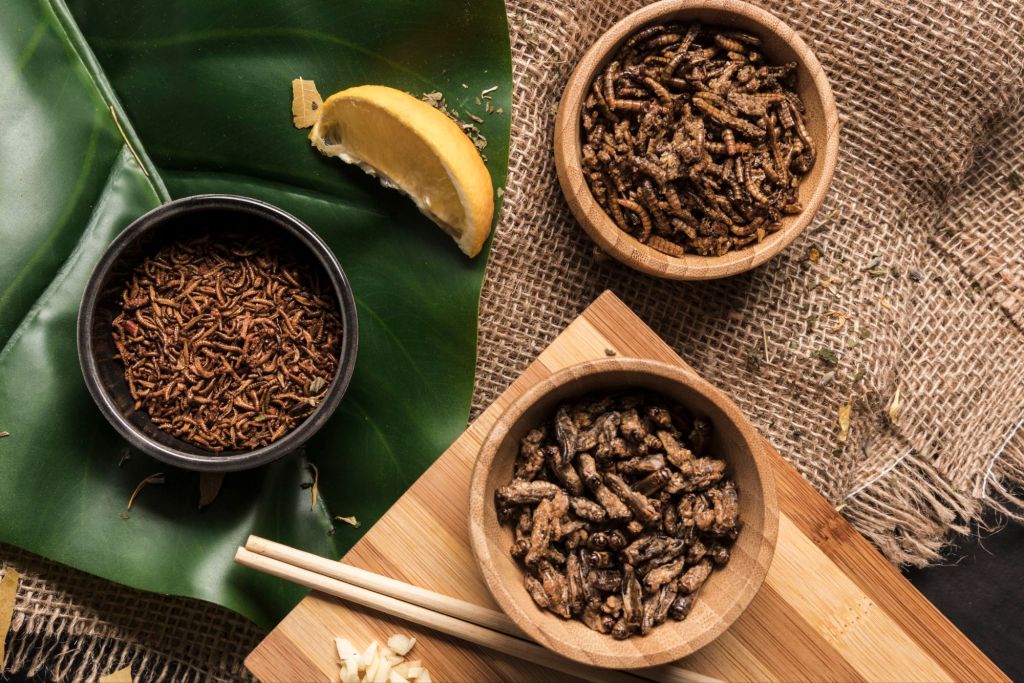
Some of the most commonly consumed edible insects include crickets, known for their nutty flavor and high protein content; mealworms, which are versatile and often roasted or ground into flour; grasshoppers, which are enjoyed fried or seasoned in many regions; locusts, prized in parts of Africa and the Middle East for their tender texture; cicadas, which emerge seasonally and are eaten toasted or fried; ants, particularly leafcutter and weaver ants, valued for their tangy taste; beetles, including their larvae like palm weevils and rhinoceros beetles, which are rich in fats and proteins; caterpillars such as mopane worms popular in Southern Africa; termites, harvested for their rich fat content; and silkworm pupae, a delicacy in East Asia.
And, for the sweet tooths, we have the honeybee larvae, nature’s unexpected cupcake filling that’s creamy and packed with nutrients. So if you ever want to “bug out” in style, these edible insects are your go-to critters for a protein-packed, crunchy adventure – just maybe don’t invite everyone over for dinner!
And of course, we can’t ignore the giant water bugs, which, despite their intimidating name, are like the juicy hamburgers of the insect world in some countries. So next time you’re looking for a snack with a bit of a buzz, why not give these critters a try? After all, who knew that a bug buffet could be the next gourmet sensation!
While this list covers many of the well-known edible insects, there are hundreds of species consumed globally depending on local traditions and ecosystems, highlighting the vast and varied world of entomophagy.
 HETTY
HETTY 
Leave a comment