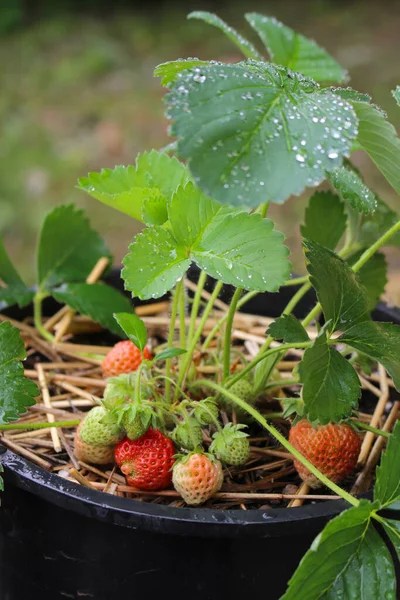
Growing food plants in pots and limited spaces, like small balconies or patios, is a rewarding way to enjoy fresh produce even without a big garden. Here are some tips to help you get started and succeed:
1. **Choose the Right Containers:** Use pots with good drainage holes to prevent waterlogging. Containers made of terracotta, plastic, or fabric pots all work well depending on your space and budget.
2. **Select Suitable Plants:** Opt for plants that thrive in small spaces and containers. Some of the best food plants for small-scale gardens include:- **Herbs:** Basil, parsley, cilantro, mint, chives- **Leafy greens:** Lettuce, spinach, kale, arugula- **Peppers:** Bell peppers and chili peppers- **Tomatoes:** Cherry or patio varieties- **Radishes and carrots:** Choose shorter root varieties- **Green beans:** Bush varieties work better than pole types in pots- **Strawberries:** Compact and productive in containers.
3. **Use Quality Potting Mix:** Choose a lightweight, well-draining potting soil that’s rich in organic matter. Avoid using garden soil, which can compact and reduce aeration.
4. **Sunlight Matters:** Most food plants require at least 6 hours of direct sunlight daily. Position your pots accordingly or consider supplemental grow lights if natural light is limited.
5. **Water Consistently:** Container plants tend to dry out faster than garden beds, so check soil moisture regularly and water when the top inch feels dry. Avoid overwatering by ensuring proper drainage.
6. **Fertilize Regularly:** Use balanced, slow-release fertilizers or organic options like compost tea or fish emulsion to provide essential nutrients throughout the growing season.
7. **Maximize Vertical Space:** Use trellises, hanging baskets, or tiered plant stands to increase your growing area without taking up much floor space.
8. **Practice Crop Rotation and Companion Planting:** To keep plants healthy and maximize yields, rotate crops in your pots each season and plant compatible species together.
With these tips, even the smallest space can become a thriving food garden, providing fresh, homegrown flavors right at your doorstep!
 HETTY
HETTY 
Leave a comment