Author: Kyle-Anderson-1973

  • No Favorites

    What are your favorite sports to watch and play?

    I’m not a Sports guy, even though I have family members who are, and I come from a American city with 2 major league teams. One team even won a Championship in recent years.

    It’s not if I never watched sports. They don’t interest me. Football, Soccer, Baseball, Golf, Boxing, and Mixed Martial Arts matches and games are hard to avoid on big screen televisions in numerous bars and restaurants. I rather play a video game or watch a movie though.

    However, Baseball is probably my favorite, since I understand how the game is played, I can play it and I’m not terrible unlike other sports, and I’ve been to some games, including major league games. But I don’t follow closely, and I don’t care who wins. I know that makes me part of the minority.

  • Oh, the dream!

    What would you do if you won the lottery?

    Understand, I don’t play the lottery or gamble all that much. I know that the odds of winning a good sum of money from the lottery are really bad, and I maybe gamble once or twice a year at a casino, and it’s been small amounts that I can part with.

    I know that I can get out of control with gambling, but I think over time, I’m out 200$ between my lifetime winnings and losses. The most I ever won was over 400$ in Las Vegas, and I bowed out and paid bills soon after.

    However, if I did win a jackpot or even 100,000$, I would pay off any debt, give gifts to my family and friends. Maybe 2000$-$5000 each, depending on the winning amount. I would donate to some charities and the underdog political party of my choice, and then buy a ticket to The Netherlands or a Caribbean region country, get an investment visa, and try to live a comfortable and peaceful middle class lifestyle for the rest of my life. Invest and save a sum if I have any money left over. Of course, pay any necessary taxes.

    Of course I’d buy stuff, and I have my eye on some pricy items. No house or car though.

    Oh, and if I ever did ever win the big jackpot, I’m choosing the installment pay option. I don’t want to get too stupid with a large amount of money.

    And the dream bubble popped! Back to a humble existence. ~H

  • 17 Bertrand Russell Quotes

    17 Bertrand Russell Quotes

    Here are some of the best and most thought-provoking quotes by the philosopher and mathematician Bertrand Russell:

    1. “The whole problem with the world is that fools and fanatics are always so certain of themselves, and wiser people so full of doubts.”

    2. “To fear love is to fear life, and those who fear life are already three parts dead.”

    3. “The good life is one inspired by love and guided by knowledge.”

    4. “Do not fear to be eccentric in opinion, for every opinion now accepted was once eccentric.”

    5. “War does not determine who is right — only who is left.”

    6. “The secret of happiness is this: let your interests be as wide as possible, and let your reactions to the things and persons that interest you be as far as possible friendly rather than hostile.”

    7. “Science is what you know, philosophy is what you don’t know.”

    9. “Education is what remains after one has forgotten what one has learned in school.”

    10. “The time you enjoy wasting is not wasted time.”

    11. “Men are born ignorant, not stupid; they are made stupid by education.”

    12. “The secret to happiness is to face the fact that the world is horrible.”

    13. “No one gossips about other people’s secret virtues.”

    14. “The only thing that will redeem mankind is cooperation.”

    15. “To conquer fear is the beginning of wisdom.”

    16. “Religion is something left over from the infancy of our intelligence, it will fade away as we adopt reason and science as our guidelines.”

    17. “One is often told that it is a very wrong thing to attack religion, because religion makes men virtuous. So I am told; I have not noticed it.”

  • How People Survived Fascism

    Survivors of fascism have endured profound and often harrowing experiences under regimes characterized by authoritarian control, suppression of dissent, and widespread human rights abuses. Their stories reveal the devastating impact of fascist rule on individuals and communities, as well as the resilience and courage required to endure and resist.

    Many survivors recount living in constant fear due to pervasive surveillance, arbitrary arrests, and brutal punishments for any perceived opposition.

    Families were frequently torn apart, with loved ones imprisoned, exiled, or worse.

    Daily life under fascism often involved restrictions on freedom of speech, assembly, and press, making it dangerous to express any dissenting opinions.

    Experiences also include witnessing or surviving targeted violence against marginalized groups, including ethnic minorities, political opponents, and other vulnerable populations.

    Forced labor, internment in concentration camps, and systematic persecution were tragically common.

    Despite these hardships, survivors’ testimonies often highlight acts of solidarity, resistance, and hope. Many participated in underground movements, helped hide those persecuted, or found ways to maintain their dignity and humanity in the face of oppression.

    These firsthand accounts are invaluable for understanding the human cost of fascism and serve as powerful reminders of the importance of vigilance against tyranny and the defense of democratic values.

    Organizations and memorial projects around the world work to preserve these stories, ensuring that the lessons of the past inform our present and future.

  • Fascist Regimes in History

    Fascism is a political ideology characterized by authoritarianism, nationalism, and often a dictatorial leadership. Throughout history, several regimes have been identified as fascist or exhibiting fascist characteristics.

    Here are some of the most well-known fascist regimes:

    – **Italy under Benito Mussolini (1922–1943):** Often considered the original fascist regime, Mussolini’s government emphasized nationalism, militarism, and the suppression of political opposition.

    – **Germany under Adolf Hitler (Nazi Party) (1933–1945):** The Nazi regime combined fascist ideology with extreme racism and anti-Semitism, leading to World War II and the Holocaust.

    – **Spain under Francisco Franco (1939–1975):** While Franco’s regime is sometimes described as authoritarian or nationalist, it shared many characteristics with fascism, including centralized control and suppression of dissent.

    – **Portugal under António de Oliveira Salazar (Estado Novo) (1932–1968):** Salazar’s regime was authoritarian and nationalist with some fascist elements, emphasizing traditional values and anti-communism.

    – **Hungary under Miklós Horthy and the Arrow Cross Party (early 1920s–1945):** Horthy’s regime leaned authoritarian, and the later Arrow Cross Party (1944–1945) was explicitly fascist and aligned with Nazi Germany.

    – **Romania under Ion Antonescu (1940–1944):** A military dictator who allied with Nazi Germany and led a government with fascist policies.

    – **Japan (1930s–1945):** While Japan’s government was militaristic and authoritarian during this period, it didn’t fully adopt Western-style fascism but shared similarities in nationalism and expansionism.

    These regimes varied in their specific policies and implementations but shared core elements of fascism such as authoritarian rule, nationalism, and the suppression of opposition.

    It’s important to note that the term “fascism” can be complex and interpretations vary among historians. Some regimes exhibit fascist traits without fully fitting the definition. Each regime had unique features shaped by their own historical and cultural contexts. ~H

  • The Internet Is My Best Friend

    What do you enjoy doing most in your leisure time?

    It’s true. I read a lot, and the internet has plenty of reading material. I learn about various subjects of interest, and will occasionally read about subjects that doesn’t necessarily interest me, yet has interesting click bait headlines. Like I probably have more knowledge about nutrition, life hacks, and epidemiology than the average person.

    Theres videos, images, music and audio files, various apps like video games. I don’t even use streaming apps so much, but I could use them if I wanted to.

    I’m using AI apps more often, cuz I do queries for information, or it visualizes ideas I have. Yes, I have a distrust for AI, but curiosity got the best of me. And I have a rationale for using it as much as I have.

    Oh, I have family and a few friends. I’m not around them as much as I like, but I’ll text or video chat with them.

    Like many people, I’m on my phone or computer often, cuz it helps with boredom. Like cigarettes for me, the internet is the friend that’s always there. It has enriched my life in certain ways, although there are some aspects of IT tech that annoy or disturb me. Other parts I plain don’t use.

    Because of the Internet, I’m more knowledgeable about various subjects. I have my favorite apps and websites. The Internet is a positive in my life. Now if only I can figure out a way to make a better livelihood using it….

  • A Complicated Answer

    Name an attraction or town close to home that you still haven’t got around to visiting.

    I’m actually a perpetual tourist now, so this is a complicated answer. I’m country hopping partly because the United States has gotten too expensive for someone on a limited income. But I was born and raised in Milwaukee.

    There was a good number of attractions that Milwaukee has that I never visited. It was partly because I live on a lower income, and could only afford to visit places that actually interested me. But the War Museum near the Lake Michigan lakefront was a place I would be close to but never visited, and the Pabst Mansion was another. Both buildings contain a lot of history. I also don’t drive, so I couldn’t afford to stay longer in nearby towns like Kenosha and Racine.

    I tend to be a home body, partly because I associate going outside for prolonged periods of time with spending money! Seriously, if I want to go somewhere else besides my local neighborhood, I more often than not have to spend money. It adds up.

    Anyways, I’m currently in a Central European country with its own history and attractions. I’ll try to visit the Bunk Art museum attraction sometime during my stay here, but I already been here over 2 months, and I still can’t afford to visit yet!

    I’m hoping to check out the unique architecture and exhibits in the largest city next month, even if it’s a one day tour. So many places to visit, but so little time and money.

  • “Fun times”

    List five things you do for fun.

    1. Listen to music. Bangers and the occasional classic rock, disco, and pop song.

    2. Watch comedy bits, like funny scenes from movies and TV shows, and comedy bits from stand up.

    3. Eat comfort food. Fast food, junk food, cheaper yet tasty food.

    4. Nightlife- clubs, bars, and lounges. Sometimes concerts. It’s getting less fun as I get older.

    5. Private vices. I gave up one, but not the other. I may take up the other one again if I can find a reliable plug. 😉 2026 isn’t looking much better than 2025 so far.

  • Social Media Lost Its Novelty

    If you could un-invent something, what would it be?

    When I read this prompt question, 2 answers came to my mind. Either Plastics or Social Media. It’s sort of difficult to choose which of the 2 is worse for humanity at large, but I think Social Media has the edge over whether it should be un-invented.

    Plastics I think, could be redeemed with new innovations and regulations. Like with aluminum containers, there should be a return fee for plastic containers so they could be recycled and reused. More laws banning or regulating single use plastics, and more stores should sell reusable cloth shopping bags. I wrote a blog article recently that the plastic waste problem could be solved with enough regulation, innovations, and public will.

    Social Media, however, I find it hard to find the positives. It’s been used to spread propaganda and dumb conspiracy theories, used for more annoying advertising and marketing, scammers try to bilk money from other users, and others have made social media posts to post of horrible crimes, war atrocities, or dangerously fatal stunts. Cyberbullying, trolls, at times cyber attacks, and toxic influencers.

    And despite the potential for social media to bring people closer together and keep them better informed, more people are reporting increased feelings of loneliness, depression, anxiety, and isolation. And other media pushes dumb trends and misinformation.

    Everytime I get a friend request or a follower on social media, I have to check to make sure the user isn’t a scammer, a bot, or trying to sell me something I don’t want or can afford. I’m more selective with the social media I use, and I use some apps way less often then I did at the beginning.

    Again, this is a technology that could be improved with increased moderation and regulations, but there doesn’t seem to be any effective way to do so yet. The profit motive is too strong.

    Rant over!

  • Right now, the kitchen

    Where can you reduce clutter in your life?

    I’m a fairly disorganized person, but I will take time to organize the home. Right now, the most cluttered area is the kitchen. I have food and other items on the counters and table. It could take me 15 minutes to get the kitchen organized, and I’ll probably do it today. Thanks for the reminder and extra motivation.

  • Ultimate Life Hacks: Smart Tips for Food, Housing, Money, Transportation, and More

    Ultimate Life Hacks: Smart Tips for Food, Housing, Money, Transportation, and More

    In today’s fast-paced world, finding clever ways to simplify daily challenges can make all the difference in enhancing your quality of life. Whether it’s saving money on groceries, making your home more comfortable and efficient, managing your finances wisely, or navigating transportation with ease, smart life hacks can help you do it all with less stress and more success. This comprehensive guide brings together the ultimate life hacks across essential areas like food, housing, money, transportation, and beyond- offering practical tips and innovative ideas that anyone can use to streamline their routines and boost productivity. Get ready to discover simple yet powerful strategies that will transform the way you live, work, and thrive every day!

    1. Introduction: What Are Life Hacks and Why They Matter.

    In today’s fast-paced world, finding simple and effective ways to make everyday tasks easier can save you time, money, and stress. That’s where life hacks come in. Life hacks are clever tips, tricks, or shortcuts that help you streamline your daily routines, solve common problems, and improve your overall quality of life. Whether it’s discovering a new method to keep your food fresh longer, finding affordable housing solutions, managing your finances smarter, or navigating transportation more efficiently, life hacks empower you to live smarter, not harder. We’ll explore a variety of practical life hacks across different areas- food, housing, money, transportation, and more- so you can unlock new ways to simplify your life and boost your productivity. Let’s dive in and start making everyday living a little bit easier!

    2. Food Hacks: Saving Time and Reducing Waste

    When it comes to food, smart hacks can not only save you precious time but also help reduce waste, making your kitchen more efficient and eco-friendly. One of the simplest ways to save time is meal prepping. By dedicating a couple of hours each week to prepare and portion meals in advance, you eliminate the daily scramble of deciding what to cook, making mealtime stress-free and faster. Additionally, organizing your fridge and pantry by grouping similar items together and labeling leftovers with dates can prevent forgotten food from spoiling.Reducing waste goes hand in hand with smart shopping habits. Plan your grocery list based on meals you intend to cook, and stick to it to avoid impulse buys that often end up unused. Another great tip is to get creative with leftovers- transform yesterday’s roast vegetables into a hearty soup or blend overripe fruits into smoothies. Using airtight containers and freezing excess food can also extend shelf life and keep your ingredients fresh longer. By integrating these food hacks into your routine, you’ll save money, cut down on waste, and enjoy more time doing what matters most.

    3. Housing Hacks: Making Your Space Work Smarter

    Creating a comfortable and efficient living space doesn’t have to mean a major renovation or expensive upgrades. With a few smart housing hacks, you can make your home work smarter for you, maximizing functionality while saving time and money. Start by decluttering and organizing your belongings. This simple step instantly opens up your space and reduces stress. Utilize multi-functional furniture like storage ottomans, fold-out desks, or sofa beds to get more out of every square foot. Don’t overlook vertical space; installing shelves or hanging organizers can free up floor area and keep essentials within easy reach. For renters, removable hooks and peel-and-stick tiles offer stylish ways to personalize your space without risking your security deposit. Finally, consider energy-saving solutions such as LED lighting, programmable thermostats, or draft stoppers to help reduce utility bills. With these practical tips, your home will become a smarter, more comfortable sanctuary tailored to your lifestyle.

    4. Money Hacks: Budgeting and Saving Strategies

    Managing your money wisely is a cornerstone of financial stability and peace of mind. Effective budgeting and saving strategies can help you take control of your finances, reduce stress, and build a secure future. Start by tracking your income and expenses meticulously- this gives you a clear picture of where your money is going each month. Use budgeting apps or simple spreadsheets to categorize your spending and identify areas where you can cut back.One smart money hack is the 50/30/20 rule: allocate 50% of your income to necessities like housing and food, 30% to discretionary spending, and 20% to savings and debt repayment. Automating your savings by setting up direct transfers to a separate savings account ensures you pay yourself first without the temptation to spend. Additionally, consider setting specific financial goals, such as building an emergency fund, saving for a vacation, or investing for retirement, to stay motivated and focused.Another valuable tip is to regularly review your subscriptions and recurring expenses. Cancel any services you no longer use or need, and look for more affordable alternatives. Finally, take advantage of cashback programs, discounts, and rewards to stretch your dollars further. By adopting these budgeting and saving strategies, you’ll be well on your way to mastering your finances and achieving your money goals with confidence.

    5. Transportation Hacks: Getting Around Efficiently and Economically

    Navigating daily life can often become a hassle, especially when it comes to transportation. Fortunately, there are plenty of smart hacks to help you get around efficiently and economically. First, consider using public transit whenever possible- buses, trains, and subways not only reduce your carbon footprint but also save you money on gas, parking, and car maintenance. Many cities offer discounted monthly or yearly passes that can significantly cut costs if you commute regularly.Another great tip is to explore bike-sharing programs or invest in a quality bicycle for short to medium distances. Biking is not only cost-effective but also boosts your health and helps you avoid traffic congestion. For longer trips, carpooling or ride-sharing apps can be a win-win, splitting costs while reducing the number of vehicles on the road.If you own a car, regular maintenance is key to keeping it fuel-efficient and avoiding costly repairs down the line. Simple habits like keeping your tires properly inflated, driving at steady speeds, and removing unnecessary weight from your vehicle can improve gas mileage.Lastly, plan your trips to combine errands or appointments in one outing, minimizing unnecessary travel. Using navigation apps that provide real-time traffic updates can help you avoid delays and save time.By incorporating these transportation hacks into your routine, you can enjoy smoother commutes, reduce expenses, and contribute to a greener environment- all while keeping your daily life running efficiently.

    6. Tech Hacks: Using Technology to Simplify Daily Tasks

    In today’s fast-paced world, technology offers countless tools and apps designed to make everyday tasks easier and more efficient. From managing your grocery list to automating bill payments, embracing tech hacks can save you time, reduce stress, and even help you save money. For instance, smart home devices like voice-activated assistants can control lighting, set reminders, and manage your calendar without lifting a finger. Meal planning apps not only help you organize recipes but can also generate shopping lists based on what you need, reducing food waste and trips to the store. Financial apps track your spending habits, alert you to upcoming bills, and provide budgeting insights tailored to your goals. Even transportation can be simplified with ride-sharing apps that help you find the quickest route or carpool options to cut costs. By integrating these technology solutions into your daily routine, you can streamline chores, stay organized, and free up more time for the things that truly matter.

    7. Health and Wellness Hacks: Boosting Energy and Reducing Stress

    Maintaining your health and wellness is essential for a balanced and fulfilling life, especially when juggling the demands of daily routines. Simple yet effective habits can significantly boost your energy levels and reduce stress, helping you feel more focused and vibrant throughout the day. Start by prioritizing quality sleep- aim for 7 to 8 hours each night to allow your body and mind to rejuvenate. Incorporate short bursts of physical activity, like a quick walk or stretching breaks, which can increase circulation and release endorphins that elevate your mood. Mindfulness practices such as meditation or deep breathing exercises are powerful tools to calm the mind and manage stress effectively. Additionally, nourish your body with balanced meals rich in whole foods, avoiding excessive caffeine and sugar that can lead to energy crashes. Staying hydrated is equally important, as dehydration often masquerades as fatigue. By integrating these health and wellness hacks into your daily routine, you’ll empower yourself to tackle challenges with greater resilience and vitality.

    8. Organization Hacks: Decluttering and Staying Productive

    Staying organized is one of the most powerful life hacks you can adopt to boost your productivity and reduce stress. Decluttering your living and workspaces helps create an environment that fosters focus and creativity. Start by tackling one small area at a time- whether it’s your desk, kitchen counter, or closet- and sort items into categories: keep, donate, or discard. Remember, the goal isn’t just to tidy up, but to create systems that make it easy to maintain order.Investing in storage solutions like labeled bins, drawer organizers, and shelves can make a huge difference in keeping things in their place. Digitally, organize your files and emails into folders so that important information is easy to find when you need it. Establish daily or weekly routines for tidying up, as consistent habits prevent clutter from piling back up.By decluttering and organizing your physical and digital spaces, you free up mental space and time. This clarity allows you to focus on what truly matters, turning you into a more productive, efficient, and calm individual ready to tackle your goals with confidence.

    9. Shopping Hacks: Getting the Best Deals and Avoiding Impulse Buys

    Mastering the art of shopping smartly can save you a significant amount of money and help you avoid the pitfalls of impulse buying. One of the most effective strategies is to plan ahead- make a detailed shopping list before you head out or start browsing online. This keeps you focused on what you truly need and reduces the temptation to pick up unnecessary items. Additionally, take advantage of price comparison tools and apps that help you find the best deals across multiple retailers without wasting time.Another powerful hack is to subscribe to newsletters and loyalty programs from your favorite stores. These often provide exclusive discounts, early access to sales, and personalized coupons that can add up to substantial savings over time. Timing also plays a crucial role; learning when seasonal sales, holiday discounts, and clearance events occur allows you to stock up on essentials and big-ticket items at the lowest prices.To avoid impulse buys, try implementing a waiting period for non-essential purchases- give yourself 24 to 48 hours to decide if an item is really necessary. This cool-down period helps curb emotional spending and ensures your money goes towards what truly adds value to your life. By combining thoughtful planning, smart use of technology, and self-discipline, you can become a savvy shopper who consistently gets the best deals while steering clear of wasteful spending.

    10. Time Management Hacks: Maximizing Your Day

    Effective time management is a game-changer when it comes to maximizing productivity and reducing stress throughout your day. Start by prioritizing your tasks- identify the most important and urgent activities, and tackle those first. Utilize tools like to-do lists, planners, or digital apps to keep track of your responsibilities and deadlines. Breaking larger projects into smaller, manageable chunks can make overwhelming tasks feel more achievable and help maintain steady progress.Another powerful hack is the Pomodoro Technique: work in focused intervals, typically 25 minutes, followed by a 5-minute break. This method enhances concentration and prevents burnout. Additionally, minimize distractions by creating a dedicated workspace and setting boundaries with family or roommates during work periods.Remember to schedule regular breaks and downtime to recharge your mind and body, which ultimately boosts overall efficiency. By implementing these time management strategies, you can make the most of each day, balancing work, personal life, and self-care with greater ease.

    11. Travel Hacks: Traveling Smarter and Cheaper

    Traveling can be one of the most rewarding experiences, but it often comes with a hefty price tag and a fair share of stress. Fortunately, with a few smart travel hacks, you can make your trips both cheaper and smoother. Start by booking flights and accommodations well in advance, and use price comparison websites to snag the best deals. Be flexible with your travel dates and destinations- sometimes shifting your plans by just a day or two can lead to significant savings. Consider alternative airports or nearby cities to find cheaper flights or lodging options. Packing light not only saves on baggage fees but also makes moving around easier and less stressful. Utilize travel apps that help track prices, organize itineraries, and even find local discounts or off-the-beaten-path attractions. Lastly, embrace public transportation or rent bikes to explore your destination economically while getting a more authentic local experience. By incorporating these travel hacks, you’ll enjoy smarter, more affordable adventures every time you hit the road.

    12. Social Life Hacks: Building Stronger Relationships

    Building stronger relationships is an essential part of living a fulfilling and balanced life. Whether it’s with family, friends, colleagues, or new acquaintances, nurturing these connections can significantly enhance your emotional well-being and support network. One simple yet powerful social life hack is to practice active listening- truly paying attention when someone is speaking, showing genuine interest, and responding thoughtfully. This creates deeper bonds and fosters trust.Another effective tip is to prioritize quality over quantity in your social interactions. Focus on meaningful conversations and shared experiences rather than trying to maintain a large circle of acquaintances. Scheduling regular catch-ups, whether in person or virtually, helps keep relationships alive and shows that you value the other person’s time. Additionally, embracing vulnerability by sharing your own thoughts and feelings can encourage openness and authenticity, making your relationships stronger and more resilient. Remember, small acts of kindness, such as sending a thoughtful message or remembering important dates, go a long way in making others feel appreciated.By incorporating these social life hacks into your routine, you’ll build a supportive community around you that enriches your life in countless ways.

    13. Eco-Friendly Hacks: Living More Sustainably

    Living sustainably doesn’t have to be complicated or overwhelming. Incorporating eco-friendly habits into your daily routine can make a big difference for the planet- and often for your wallet, too. Start small by reducing single-use plastics: switch to reusable shopping bags, water bottles, and food containers. When it comes to food, try buying locally sourced produce or growing your own herbs and vegetables at home to cut down on carbon emissions from transportation.In your home, be mindful of energy consumption. Simple actions like turning off lights when not in use, unplugging devices, and opting for energy-efficient appliances can reduce your carbon footprint significantly. Additionally, consider switching to renewable energy sources if available in your area.Transportation is another key area where eco-friendly choices matter. Whenever possible, opt for walking, biking, carpooling, or using public transit. If you’re in the market for a new vehicle, look into electric or hybrid models to reduce greenhouse gas emissions. Finally, embrace the concept of reduce, reuse, recycle and rethink by decluttering responsibly- donate or repurpose items instead of throwing them away. Living sustainably is a journey, and every small step helps build a healthier planet for future generations.

    14. Work Hacks: Enhancing Focus and Efficiency

    In today’s fast-paced world, maintaining focus and efficiency at work is crucial to achieving your goals and reducing stress. One of the simplest yet most effective work hacks is to structure your day around focused work sessions- often referred to as the Pomodoro Technique. This method involves working intensely for 25 minutes, followed by a 5-minute break, helping your brain stay sharp without burning out. Another key strategy is to minimize distractions by turning off non-essential notifications and creating a dedicated workspace that signals to your brain it’s time to focus. Prioritizing tasks using tools like the Eisenhower Matrix can also boost your productivity by helping you tackle the most important and urgent tasks first. Additionally, taking short physical breaks- stretching, walking, or even deep breathing- can re-energize your mind and body, improving overall efficiency. By incorporating these simple, smart hacks into your daily routine, you can enhance your work performance, accomplish more in less time, and create a healthier work-life balance.

    15. Conclusion: Integrating Life Hacks for a Smarter Lifestyle

    Incorporating life hacks into your daily routine isn’t just about saving time or money-it’s about creating a smarter, more efficient lifestyle that frees you up to focus on what truly matters. Whether it’s optimizing your food storage to reduce waste, finding affordable housing solutions, managing your finances with simple budgeting tricks, or choosing cost-effective transportation options, these hacks work together to simplify your life. By gradually integrating these smart tips across different areas, you build habits that promote sustainability, financial health, and personal well-being. Remember, the key is consistency and adaptability- start small, experiment with what works best for you, and watch as these practical changes transform your everyday living into a smoother, more rewarding experience. Ultimately, embracing these life hacks empowers you to take control, reduce stress, and enjoy more of life’s moments with confidence and ease. Incorporating smart life hacks into your daily routine can transform the way you manage food, housing, money, transportation, and so much more. By applying the practical tips and strategies we’ve shared, you can simplify tasks, save money, and boost your overall well-being. Remember, small changes often lead to big results, so start implementing these hacks today and watch your life become more efficient and enjoyable. Thanks for reading- here’s to living smarter and making every day easier! ~H

  • Doritos!

    What snack would you eat right now?

    I snack too much, and I have snacks right in front of me now. Some pretzel and cracker mix I had yesterday that’s good and I bought cuz it’s more affordable than Doritos.

    Yes, I love Doritos, and I do buy them. I can’t afford to buy them as much as I would like though. And I have other snacks at times, like cakes, ice cream, chocolate, mixed nuts, crackers, potato chips, and so on. I’m not a fan of the diet type of snacks (apples with peanut butter, celery with low fat dressing). Popcorn is ok at times. Doritos all the way for me, even better with nachos and dips!

    I wouldn’t be surprised if I have a Doritos addiction, cuz no other brand of tortilla chips are as satisfying as Doritos are. It’s a comfort food for me, one of many.

    Yeah, Doritos!

  • Who Likes Robots?

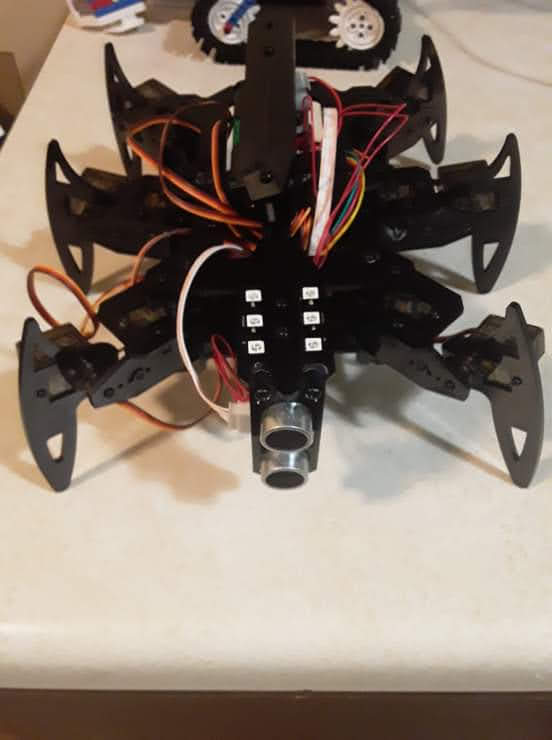
    Ok, this is a different blog post than some of the others on my HETTY blog, in that it’s robot themed.

    I have had a strong interest in robotics since I’ve been a kid, and I never outgrew it. However, I never formally studied Robotic engineering, only studied for a measly associates degree in Computer Information Systems. What robots I have made are from buying kits and sets, reading books about robots or watching videos on social media. I also have limited programming ability, but I tried to work around that. So either limited preset instructions, or using a remote control..

    I finished about 8 designs that can be qualified as true robots, in that they can be programmed, and they have sensors. Sometimes it’s only one or two sensors, but that’s enough for most purposes. Other designs are really just robot like machines with interesting engineering or science behind them, but cant be programmed or controlled. Just an on and off switch, or a light activated solar cell.

    Most of these designs are mostly plastic, and on the cheaper side. The most expensive set I did buy was 500$, the LEGO Mindstorms EV1 set. Considering that there’s more deluxe robots with multiple motors and processors with costs that are at least 10,000$, I think robots in the 30$ to 500$ range is a bargain.

    So here’s photos of my designs. Very limited utility, limited battery life, and not very durable. But all of the robots or machines on this blog post could move, and some can be programmed or controlled. Videos of the design demos can be found on social media apps like Facebook, TikTok, and YouTube.

    This last one is perhaps the best designed one I made, in that it’s has a more simple design, and yet it could move on different types of terrain. A whegged robot that moved 6 actuators on only 2 motors.

    So should I keep up with my hobby, or are these designs not that impressive?

  • To Create, Assist, and Educate

    What is your mission?

    My life changed for the better once I was formally diagnosed with an autistic spectrum disorder. I am odd, shy, cope with depression and anxiety, struggle with formal education, have unusual special interests, and I have various quirks, but there was a reason that wasn’t of my doing. Because of that, I became more of an advocate for autism. There’s pros and cons to being neurodiverse, and I try to focus more on the positives, and give insight about the negatives.

    I tend to be pendatic, but maybe some people’s eyes glaze over when I am. But sometimes I do reach people if I explain things in simple language, or they are curious about a topic. I have some experience as a tutor, and sometimes give instructions or advice.

    I always wanted to be an inventor or innovator, write a book, and live a comfortable middle class lifestyle. I dabble in various hobbies (including this blog). But seeing that there’s a polycrisis in recent years, I think I have to help others survive the 21st century and beyond.

    I went to college to study journalism, technical writing, and an information technology related field, so my idea to create the HETTY blog that combines my various skills, experiences,.and interests in a series of articles. Some of the articles are food service related, since I was a cook for years, and I struggled financially much of my life. Some articles.are science and technology related, since I’m pro science.

    I’m still figuring things out, but in simple terms, I want to create, educate, and assist others as I can. This century is looking very challenging in several ways.

  • Nope, not for me

    What are your thoughts on the concept of living a very long life?

    There’s that famous quote from Woody Allen, which I will paraphrase, “You can live to be 100, if you give up all of the things that make you want to live to be 100.” That aligns with my own philosophy.

    I would argue that longevity is causing more problems than it solves, although there are some exceptions with some individuals. Like there’s some centenarian individuals still working, still in decent health, still active, and have a good mindset. They seem to be uncommon among the elderly though. There’s various ailments associated with advanced age, including dementia and cancer.

    I smoke, drink, eat the less healthy food at times, and don’t exercise as much as I should. And I’m coping with serious existential problems, along with millions of others. I’m already world weary. I’ll probably make it to my 70s or possibly 80s, and I’m fine with that. Any longer, I may become more reckless with my health, like eat Fugu Sushi or dance badly in traffic.

  • College instead of Military

    What could you do differently?

    This is the choice I had as a senior in high school back in 1991, about to graduate and make my own way in the world. My dad died when I was 11, so my mother worked a lot trying to support my 2 brothers and I. Since it was a struggle to support the family on a single income, my mother gave me the choice of either joining the military, where I could learn a job skill or several through apprenticeships, or stay with my mom and brothers, and go to college for a formal education while she paid for my tuition and books. Maybe I could work a job to help with the fees.

    I had my reasons to join the military after high school graduation, one of them being that I didn’t want to burden my mother with the extra expenses of school. Learning a job skill, seeing the world, maybe toughening up some since I was a gawky nerd while in public school. I was very green, naive, and sheltered. But I would qualify for the Montgomery GI Bill, if I joined the military. I could go to college later, if I chose so. (I did, 10 years later.)

    Was the Air Force a good experience? Yes, and no. I met some good people, did go to different parts of the US and some other countries, learned how to be a professional military cook and basic service specialist, learned some military culture and lingo, and didn’t screw up so much that I was able to get an honorable discharge after 2 terms of service. It was sometimes stressful, sometimes loud enough that I developed tinnitus from the noise of war machinery, and I had to cope with the politics (workplace and geopolitical). I also developed habits like smoking and the occasional binge drinking, and I became more jaded and vigilant. I wasn’t burned out yet, but I lost a spark I had at 18.

    I started to go college when I was 27, sometimes older than the other students. While I did study and did well enough in some courses, there was some other courses I couldn’t keep up with, or in some cases was completely lost. Astrophysics 2 showed that I’m terrible in advanced math, and intermediate algebra seems to be my limit.

    I got so burnt out from reading college textbooks that I don’t have the attention span for reading books anymore. I’ll read online summaries or specific quotes or facts about a topic instead. I ended up dropping out of getting a bachelors degree partly cuz my grades weren’t good enough (with autistic spikes), and I couldn’t afford to finish college.

    So why would I chose college over the military after highschool? Money, time, and energy. I was more energetic, healthy, and idealistic at 17-18 years old than I was at 27-28, college was cheaper (yet still costly), and I would spend more time with my family. I would probably have a better formal education than I do now, maybe working as an engineer or professional writer. I also probably wouldn’t have developed the wanderlust I have for travel if I just stayed in my hometown, instead of the 7 countries I was able to visit while in the military.

    I’m not sure if it was a better choice, but maybe I would have chosen a different fork in the road knowing what I know now.

  • My first job

    Tell us about your first day at something — school, work, as a parent, etc.

    I don’t remember the details of my first job, so the answer will be a little vague. But my first job was as a pickup delivery person at JC Penney, a department store built into a shopping mall in Milwaukee. My mother was a sales representative in the Jewelry department, and she talked to management about hiring me. It was my first part time job at 16, while I was still in high school.

    I don’t remember how much I was paid for the work, but I imagine that it was minimum wage back in 1989. I remember that there was a pickup area in the backroom warehouse, where large items that were paid for in the store departments were pulled from stock based on the product code, taken to the pickup point in the back of the mall, and put in customers vehicles. Furniture, home decor, boxed items, maybe even large boxed toys at times.

    I did remember that I had to wear slacks, a dress shirt, and tie for the backroom stock area. I would do mess cleanup, trash disposal, and some product stocking at times, but the job was mostly pulling and preparing stock at that pickup point.

    I do remember being in a decent mood after working that 5pm to 9pm shift, being excited about my first job. Not tired, and upbeat when the first shift was done and my mother picked me up from work. And I remember having a crush on a blond sales representative working in the children’s clothes department. I admired her from afar, and I was too shy to even ask her name even after several months.

    So that’s the vague story of my first job.

  • The Plastic Waste Problem Could Be Solved (If You Want It)

    The Plastic Waste Problem Could Be Solved (If You Want It)

    I have environmentalist leanings. Not fully, but I make changes when I can, with an awareness that I’m part of the problem too. One of the concerns I have is with plastics. Yes, it’s useful, versatile, and convenient. But discarding it has created a massive environmental problem.

    Recycling plastic waste is more expensive and complex than originally promised, with limited capacity. While some plastic types can be recycled, others can’t. Many plastics are simply burned or end up in landfills or in various parts of the world. It can be bleak to think about, since plastic waste often take decades to decompose, and micro plastics exposure can lead to various health problems over time. Burning plastic contributes to air pollution.

    However, some online articles I read in recent years and days give me hope that plastic waste can be reused and processed. It turns out that plastic waste can be converted into a building material, like bricks, tiling, panels, and other construction materials.

    The first article I read was of a construction startup called Takataka Plastics. Two engineers found a way to convert PET type of plastic into tiles, and later lawn chairs, plant pots, coasters, medical visors, and other useful products.

    The second article I read was last month. where a team of Japanese scientists developed a “supramolecular” plastic that decomposes in seawater in 2 or 3 hours, leaving behind non-toxic by-products. These byproducts are then consumed by bacteria in seawater, leaving no pollution. There’s no microplastic problem with these newly developed plastics.

    The 3rd innovation I read of was just last week. Various companies in the Philippines are turning plastic waste into construction materials for homes and other useful structures. There’s various methods developed, but the most promising method is using high energy radiation to strengthen and process plastic to create stronger chemical bonds. This reduces the costs of building materials, reduces plastic waste, and creates new jobs and housing.

    Along with the discovery in Japan that certain types of bacteria in seawater can consume PET plastics in seawater, which may lead to genetic modification of these bacteria and the digestive enzymes they create to speed up the decomposition of plastic pollution in the oceans.I really hope that these innovations are developed further, because they have the potential to solve many problems at once. Reduce plastic pollution, improve environmental and public health, create materials at a lower cost, and create new jobs in lower income communities and countries.

    Plastic Pollution could be solved by science and engineering, if there is a proper funding and enough people in various countries who want to make it so.

  • How to Grow Crops in Small Living Spaces

    How to Grow Crops in Small Living Spaces

    Growing food plants in pots and limited spaces, like small balconies or patios, is a rewarding way to enjoy fresh produce even without a big garden. Here are some tips to help you get started and succeed:

    1. **Choose the Right Containers:** Use pots with good drainage holes to prevent waterlogging. Containers made of terracotta, plastic, or fabric pots all work well depending on your space and budget.

    2. **Select Suitable Plants:** Opt for plants that thrive in small spaces and containers. Some of the best food plants for small-scale gardens include:- **Herbs:** Basil, parsley, cilantro, mint, chives- **Leafy greens:** Lettuce, spinach, kale, arugula- **Peppers:** Bell peppers and chili peppers- **Tomatoes:** Cherry or patio varieties- **Radishes and carrots:** Choose shorter root varieties- **Green beans:** Bush varieties work better than pole types in pots- **Strawberries:** Compact and productive in containers.

    3. **Use Quality Potting Mix:** Choose a lightweight, well-draining potting soil that’s rich in organic matter. Avoid using garden soil, which can compact and reduce aeration.

    4. **Sunlight Matters:** Most food plants require at least 6 hours of direct sunlight daily. Position your pots accordingly or consider supplemental grow lights if natural light is limited.

    5. **Water Consistently:** Container plants tend to dry out faster than garden beds, so check soil moisture regularly and water when the top inch feels dry. Avoid overwatering by ensuring proper drainage.

    6. **Fertilize Regularly:** Use balanced, slow-release fertilizers or organic options like compost tea or fish emulsion to provide essential nutrients throughout the growing season.

    7. **Maximize Vertical Space:** Use trellises, hanging baskets, or tiered plant stands to increase your growing area without taking up much floor space.

    8. **Practice Crop Rotation and Companion Planting:** To keep plants healthy and maximize yields, rotate crops in your pots each season and plant compatible species together.

    With these tips, even the smallest space can become a thriving food garden, providing fresh, homegrown flavors right at your doorstep!

  • US and International Charities

    US and International Charities

    Here’s a list of some of the best anti-poverty charities, both in the US and internationally, along with a brief explanation of each organization’s mission:

    **United States:**

    1. **Feeding America**Feeding America is the largest hunger-relief organization in the US. Its mission is to connect people with food and end hunger through a nationwide network of food banks, pantries, and meal programs.

    2. **Habitat for Humanity**Habitat for Humanity aims to eliminate poverty housing by building affordable homes in partnership with low-income families. They empower people to break the cycle of poverty through stable housing.

    3. **United Way Worldwide**United Way focuses on improving education, financial stability, and health for individuals and families. They mobilize communities and resources to address root causes of poverty and create lasting change.

    **4. The Salvation Army (USA)***Mission:* To provide comprehensive social services including food assistance, shelter, and rehabilitation programs to individuals and families experiencing poverty and homelessness. The Salvation Army aims to meet the physical, emotional, and spiritual needs of vulnerable populations.

    **5. Covenant House***Mission:* To provide shelter, food, crisis care, and other services to homeless and runaway youth across the United States and Canada. Covenant House works to help young people escape poverty and build stable futures.

    **International:**

    1. **Oxfam International**Oxfam works to end global poverty and injustice. Their programs include providing clean water, supporting sustainable agriculture, and advocating for fair trade and human rights worldwide.

    2. **CARE International**CARE fights global poverty with a focus on women and girls, believing that empowering them is key to alleviating poverty. They provide food security, education, and emergency relief in vulnerable communities.

    3. **The Against Malaria Foundation**This charity aims to reduce poverty by preventing malaria, one of the biggest health threats in developing countries. They provide insecticide-treated bed nets and work to reduce malaria-related deaths and economic hardship.

    4. **Heifer International**Heifer International’s mission is to end hunger and poverty by providing livestock, training, and resources to impoverished families, enabling them to become self-reliant and sustainable.

    **5. The International Rescue Committee (IRC)***Mission:* To respond to humanitarian crises and help refugees and displaced people rebuild their lives. The IRC provides emergency aid, health care, education, and economic support to vulnerable populations affected by conflict and disaster.

    **6. World Vision International***Mission:* To tackle the root causes of poverty and injustice by supporting children, families, and communities in need. World Vision focuses on child protection, education, health, and economic development across more than 100 countries.

    Each of these organizations tackles poverty from different angles—whether it’s food security, housing, health, or economic empowerment—making a tangible difference in communities around the world.

  • How to Survive Poverty

    How to Survive Poverty

    Surviving poverty can be incredibly challenging, but with practical strategies and support, it is possible to improve your situation. Here are some tips and advice to help navigate difficult financial times:

    1. **Create a Budget:** Track your income and expenses carefully to understand where your money goes. Prioritize essential needs like food, housing, and healthcare.

    2. **Seek Assistance Programs:** Look for government or community programs that offer food assistance, housing support, healthcare, and utility aid.

    3. **Build a Support Network:** Connect with friends, family, or local support groups who can offer emotional support, resources, or even job leads.

    4. **Focus on Education and Skills:** Take advantage of free or low-cost educational opportunities to improve your skills, which can open doors to better-paying jobs.

    5. **Find Additional Income Sources:** Consider part-time jobs, freelance work, or selling items you no longer need to supplement your income.

    6. **Manage Debt Wisely:** Avoid high-interest loans and seek financial counseling if debt becomes overwhelming.

    7. **Take Care of Your Health:** Maintain a healthy lifestyle as much as possible; physical and mental health is vital for resilience and productivity.

    8. **Plan for the Future:** Set small, achievable savings goals, even if it’s a tiny amount, to build a financial cushion over time.

    Remember, improving your situation can take time, but staying informed, proactive, and seeking help when needed can make a significant difference

  • Where to start?🤣

    What is the greatest gift someone could give you?

    Oh, this is a tough one. Cuz I’m not well to do, and I live on a modest income myself. It’s getting tougher to get by. Yet I try to still buy gifts for others, although those tend to be lower cost.

    Money and gift cards are always useful. And while at least 30,000$ would be very useful right about now, I would be content with even 50$.

    I like video games, of course. If I could get the latest console or even a gaming PC, I would be happy with that.

    I like to travel, so if someone I know purchased a round trip ticket to another country, I will pack my luggage right away. I would be even happy with donated airline miles.

    There’s a list of really good gift ideas actually, but I think the most affordable option I can list is a robot kit or set. I have built robots out of kits and Technic sets, and some of those sets are affordable. So if someone wants to make me happy without spending too much, a Robot kit or set would be a good idea.

    Wait, there’s also drones! See, I can go on.😂🤣😂🤣

  • Despair and cynicism

    How have your political views changed over time?

    There’s a good reason why some voters/people become independent or apolitical over time. I found that out in recent years.

    I lost hope, and I don’t think any solutions are possible through politics. Only periods of time when the system is more stable and functional. Corruption runs deep in several countries, and can ruin any halfway decent functional government and nation.

    There is no perfect political or economic system, only less bad ones, so I’m country hopping to find a suitable country that is a better fit for me. I lean more progressive/Social Democrat in the US. I left the US last January, so I’ve been exposed to different systems and cultures over the past year. I may not return to the US, if I can help it.

    Yes, I’ve become more depressed and cynical at my age. Interesting times indeed.

  • Yakisoba Recipe (Japanese Stir Fry with Noodles)

    Yakisoba Recipe (Japanese Stir Fry with Noodles)

    Japanese Stir Fry with Noodles (Yakisoba) is a versatile, tasty, affordable, and nutritious meal. The beauty of it is that it’s fairly easy to make, and there’s variations in the ingredients. Different types of meat, sauces, noodles, and vegetables can be used to make this dish. Vegetarian options are even possible. Let’s get started.

    Pound of meat, cut in bite sized pieces, and cooked thoroughly in a pot, wok, or large saucepan. Tougher cuts of meat should be marinated for a span of 2 to 12 hours first to improve flavor and tenderness.

    8 ounces of desired pasta, cooked thoroughly in boiling water and a splash of cooking  oil until tender yet firm. Drain excess water

    Slices of desired vegetables (onions, green peppers, cabbage, snap peas, green beans, and so on.)

    Splashes of cooking oil to brown the meat and cook vegetables

    Choice of sauce (Oyster, Fish Sauce, Soy Sauce, Hoisin, Teriyaki)

    Meat variations:

    Ground beef, or diced steak of any cut. It’s best to marinate steak first in soy, teriyaki, fish, or oyster sauce for 2 to 12 hours first. Ground beef marination isn’t needed.

    Chicken. Boneless chicken breast works best, but pieces of chicken baked or fried thoroughly and then deboned will also work.

    Seafood: Shrimp works best, but diced cuts of fish, prawns, or even pieces or lobster and crab meat could work.

    Turkey: Ground turkey works best (and is most affordable), but pieces of meat from a thoroughly cooked turkey will also do.

    Pork: diced pork from roast, chops, or tenderloin will be best. While Ham could possibly work, it’s not recommended.

    Tofu can be a meat substitute, or not adding any animal protein at all are also options

    Sauce Variations:

    Oyster sauce is traditionally used as the sauce in Japan, but Teriyaki, Fish Sauce, Soy Sauce, Hoisin, and Chilli Crisp sauce can also be used. The sauce can also marinate tougher cuts of meat, like with steak and pork. Just cut up pieces of meat to bite sized pieces, place in a bowl or another container, add the desired sauce, cover, and marinate the mixture for at least 2.hours. Up to 12 hours for even more flavorful and tender meat.

    I personally add a few splashes of hot sauce to the stir fry while cooking, which gives the meal an extra kick. But this is an optional ingredient, and not everyone prefers spice in their meals.

    Vegetables Variations:

    There is a variety of different vegetables that can be added to a stir fry. A basic Yakisoba will use sliced onions, but bite sized pieces of green peppers, carrots, green beans, bamboo shoots, broccoli, snap peas, cabbage, sliced mushrooms, bean sprouts, baby corn, and water chestnuts can be added. Any mixture will work. I personally use frozen mixed vegetables of corn, green beans, peas, , and diced carrots to the stir fry for convenience and affordability.

    Additional ingredients:

    I personally add about half a tablespoon of garlic powder to my version of Yakisoba, but there’s variations. Some people may add ginger, ground ginseng, a little black pepper, curry powder, or even chili powder to their meals.

    Pasta:

    Spaghetti, egg noodles, or linguine can be used, but really almost any kind of pasta will work. I’ve made Yakisoba using Rotini, Fussili, and Penne before. It may change the appearance and texture of the meal, but the nutrition and taste remain the same.

    Directions:
    Boil pasta, drain and set aside, brown meat, add a splash or 2 of sauce, add veggies and stir until desired, add desired spices, add cooked noodles, add splashes of more sauce until properly coated, stir until done. Should be enough food for 1 to 4 people.

    There’s different ways to make Yakisoba, so experiment and find the version that works best for you. I personally like using ground beef or turkey, soy sauce, a little hot sauce, spaghetti noodles, onion slices, and frozen mixed vegetables. It cooks quickly , tastes good, and is filling.

    I learned how to make a variation of Yakisoba in the military, and have been making variations of it years later. I always enjoyed making it, and in most cases I finished it by myself.  Yes, I need to lose weight. Enjoy!

    My version of Yakisoba.

  • Adorable Animals and Children.

    When are you most happy?

    I have severe depression and moments of anxiety, so it’s a struggle to be happy in middle age. Especially knowing what I know. However, there are bright spots that I live for. I really like comedy, even though I find it hard to laugh at most comedy. I tend to find sight gags and written jokes funnier than most stand up comedy. And I tend to lean more towards dark humor.

    Music is a bright spot, especially if it’s a banger. I like a lot of the R&B/Funk/Disco type of EDM, if it’s original work or samples older songs I haven’t heard before.

    But cute and friendly dogs and cats, and adorable children? When I’m around them, I can be funny and sometimes even giddy. I’m one of those people who watches funny cat, dog, and baby videos. When I’m around dogs, cats, cute animals and babies, I can sing funny ditties, tell jokes, pet and/or cuddle, and sometimes feed pets or children. My mindset changes, and I feel better, if temporarily.

    I have a daughter now, less than a year old, and she really is adorable. So it brightens my day when I see her or when I’m with her.

  • I aspire to be a creative visionary.

    Tell us one thing you hope people say about you.

    I admire creative and intelligent people, and have for a long time. I read of Leonardo, and then later in life Nikolai Tesla and Steve Jobs. I don’t know if I’m that smart, but I do have some skills.

    My main gift is cooking, since I was paid for that for several years. I can cook several good meals and bake several desserts from memory. I have some writing talent (therefore a blog and online writing), but I also have an interest in advanced technology like robotics, 3D printing, and quantum computing. I have bought robot several kits and sets over the years, and even built some of my own unique designs. I sometimes come up with some good ideas for devices or apps, but realizing them is an ongoing issue.

    I dabble in drawing, cosplay, painting and music, but I admit that work is less than impressive. But I still aspire to make something that will improve life for millions of people. Maybe I’m punching above my weight, but I still think being creative is a worthy goal.

  • Crippling Social Anxiety

    Have you ever performed on stage or given a speech?

    I have both performed on stage and given speeches before, but only in school and it was years ago. I remember performing skits in class, and I either blanked out and was fed the lines, or I had to read from a paper. And then with the speeches, I mostly read from the essay I wrote, only briefly looking at the audience. I even took a speech course in college, and got a better than average grade.

    However, I don’t find public speaking or performing pleasant. I was visibly uneasy in front of others, and sometimes I cut the speech short so I could return to the classroom desk. It was before I was diagnosed with an Autism Spectrum Disorder.

    Imagine, that I like stand up comedy, and would like to perform stand-up one of these days. I never have, so it remains a dream. Curse you, social anxiety!

  • A Couch Potato who Travels

    I never been big on exercise, although intellectually I understand the need and benefit of it. I tried the fitness center membership route twice in my lifetime, and was barely going.

    However, walking and traveling seem to be my preferred method of exercise. I go different places, and I’m more likely to walk and carry heavier objects like luggage and groceries. I have to work with the quirks of my neurodiverse brain.

  • Please Donate

    Please Donate

    I have listed the money transfer apps that I used before, but it appears that WordPress/JetPack greyed out my transfer app IDs. Here they are again, hopefully not greyed out on this page:

    CASHAPP-$KyleAnderson1973
    PAYPAL-@kyleanderson124
    VENMO-@Kyle-Anderson-508

    I “made” the HETTY blog website because I originally had the idea of writing a cookbook that focused on affordable meal recipes. I was gonna write it in a funny style, cuz I can be funny at times. Humor is one of my coping mechanisms. (It’s true!)

    However, there’s so many cookbooks out there, and I know how hard it can be to find a publisher who will take a chance on a fledging writer. I know there’s also a lot of competition between websites, but websites have lower overhead. I decided to also expand the scope of helping to relief poverty, cuz eating cheaper foods only helps so much. I write about housing, clothing, shelter, money saving life hacks, and affordable hobbies also.

    I’m relatively better off than some people in this world, because I live off a disability and veterans pension. That may change, because of the world-wide shift in politics and worldview. COVID changed everything, for better or worse. So there’s the possibility that I may have to work again. And based on my skillset, my labor value is more limited than others.

    In my working life, I mostly got paid for working food service and retail, although I did study Journalism, Technical Writing, Basic Human Services, and Computer Information Systems over the years. I’m handicapped by social anxiety, depression, and lack of personal transportation.

    I have a history of donating, volunteering, and helping people out with money over the years, despite my limited means. I would hope that others can be at least as generous and helpful as I have over the years. Donating a dollar or a quarter can make a difference over time.

    I don’t expect to get rich from making content for this blog (Although that sure would be sweet!), but I’m hoping to generate an income so I can help myself and others. I plan on writing about different topics over time, such as about future technology. Fusion technology, for example, promises great benefits to humanity. If that technology can ever be improved, other technology can possibly offshoot from it, like a true “Cornucopia machine” or even teleportation of larger objects.

    Anyways, enough of my spiel. Any donations to my money transfer apps would be appreciated. I hope that others find this information found in this blog website helpful. Thank you.

  • Solar cooking and heating

    Solar cooking and heating


    Creating an efficient, low-cost solar oven and exploring other solar heating methods can be both an eco-friendly and budget-friendly way to harness the sun’s energy. Here’s a simple guide to making your own solar oven along with some alternative solar heating ideas:

    ### How to Make an Efficient Low-Cost Solar Oven

    **Materials Needed:**
    – Cardboard box (pizza box or similar)
    – Aluminum foil
    – Clear plastic wrap or a transparent plastic bag
    – Black construction paper or non-toxic black paint
    – Tape and scissors
    – Newspaper or other insulating material

    **Steps:**
    1. **Prepare the Box:** If using a pizza box, cut a flap on the lid by slicing along three sides, leaving one side attached to act as a hinge.


    2. **Line with Aluminum Foil:** Cover the inner side of the flap with aluminum foil, shiny side out, securing it with tape. This will reflect sunlight into the box.


    3. **Create the Oven Interior:** Line the bottom of the box with black paper or paint it black to absorb heat efficiently.


    4. **Insulate the Oven:** Crumple newspaper and place it around the black base inside the box to insulate and retain heat.


    5. **Seal with Plastic:** Stretch clear plastic wrap tightly over the opening of the box (under the foil flap) to create a greenhouse effect, trapping heat inside.


    6. **Positioning:** Place your solar oven in direct sunlight, angle the foil flap to reflect maximum sunlight into the box, and place your food inside on a small plate.


    7. **Cooking:** Cooking times will vary; simple items like s’mores, nachos, or small vegetables can cook in 30 minutes to a couple of hours depending on sunlight intensity.

    ### Other Solar Heating Methods

    – **Solar Water Heater:** Use black-painted containers or tubes exposed to the sun to heat water. Insulate them properly to retain heat.


    – **Solar Air Heater:** Construct a box with a transparent front and dark interior to warm air, which can then be circulated indoors with a fan.


    – **Solar Thermal Collectors:** More advanced setups use panels to collect and transfer solar heat for home heating or water heating.


    – **Passive Solar Design:** Incorporate architectural features such as south-facing windows, thermal mass (like concrete or stone floors), and proper insulation to naturally heat living spaces.

    Harnessing solar energy for cooking and heating not only reduces reliance on fossil fuels but also saves money and promotes sustainable living. Give these methods a try and enjoy the warmth of the sun in a practical, green way!   ~H