Category: Biographies

  • I’m already writing for free!

    What job would you do for free?

    It’s true. I’m trying to monetize my WordPress blog, which I started in October 2025. I planned on relying on donations for my writing, which mostly focuses on poverty relief. How much have I made so far for the articles I posted? Zero!

    I’ll admit that I used AI generated content for some of the articles I posted. I just wrote the prompts, edited the generated content as needed, and copy and pasted the articles to my blog space. But some articles I wrote myself.

    I’m in fact losing some money from paying for Blaze advertising at times, paying for the WordPress domain, and then paid for the AI writing app. I also at times spend money to make certain recipes or go to events, and then write about them later.

    I also admit that I have the financial means to support myself now so I can write about different subjects. But my experience so far with blog writing has been discouraging, if I focus more on earning a living from writing.

    I recently read a social media post about someone else who tried and failed to make money online. It can be very hard, almost impossible if someone can’t invest massively in advertising or a lucrative service and/or product.

    Anyways, as far as jobs I would do for free that exist in real life, that are worth the stress and investment of time and effort? Not many. Maybe a club DJ, an astronaut, or a male porn star. The fringe benefits have to be worth it. Which of those 3 are more likely to happen in my lifetime though?

  • I Learned Better Outside of School.

    I Learned Better Outside of School.

    Who was your most influential teacher? Why?

    I struggle to recall the names of any of my prior teachers, and I had many of course. I went to public school, and I can only remember Ms. Lloyd-Jones, my kindergarten teacher. I think I only remember her name because it was hyphenated.

    I admit that I was barely above average as a student, but I learned better outside of school. And I have an unconventional education. Years of public school, a military apprenticeship mostly learning cooking, an associate’s degree in Computer Information Systems (not financially lucrative yet), and I dropped out of getting a bachelor’s degree in Technical Writing, but I only had a year left in getting one.

    I remember Jean-Claude, the French Chef who had a gentle way of teaching military cooks to improve on cooking methods. He was a mentor and supervisor, but I didn’t know him well. He had advice that I still remember.

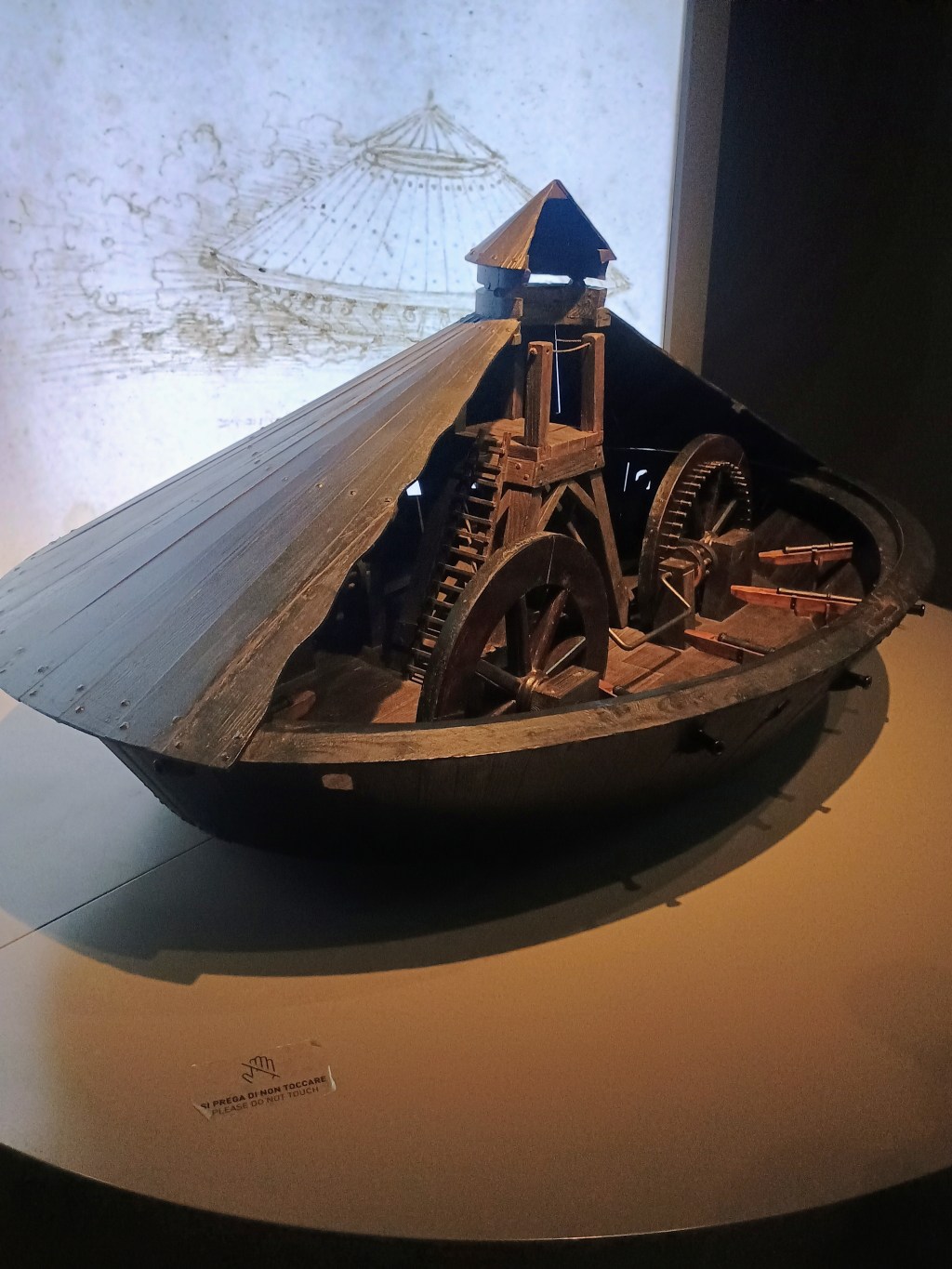
    But I would say Leonardo (Da Vinci) was my best overall teacher, even though he lived centuries ago. He was more than an artist, from what I read of him. He worked in different fields, and for some reason I find him fascinating. Mainly for his designs of flying machines, anatomy drawing, and mechanical devices. I saw how gears, ropes, frames, and pulleys worked together for a certain purpose.

    I think I’m a dreamer like he was, and it’s only in recent years I’ve been dabbling in different fields like video generation, robotics, AI generated projects, music, experimenting with food recipes, painting, and writing. My blog counts.

    The most influential Leonardo quote I remember? “It’s not enough to know. We must also do.”

    I was able to visit the Leonardo Da Vinci Science and Technology Museum in Milan earlier this month, and I mostly went to take photos and absorb info so I can be inspired to make my own inventions and designs. Yes, I have some ideas I want to work on. Let’s see if I can succeed.

  • There’s 2 Versions of Compliments

    What was the best compliment you’ve received?

    There’s 2 versions of compliments I’ve gotten. One is a “clean” version, and then there is a more inappropriate compliment. But both were from women I knew.

    The “clean” version of a compliment I’ve received, that I actually took to heart, is a female coworker called me creative. I was in the Air Force then working at a fitness center, and I have more of an Arty/Nerdy vibe. I believe the young woman was of a junior rank and is Hispanic. She was hanging out at the fitness center cuz her boyfriend at the time worked there, and we were chatting about different things, and she called me more of a creative type without me mentioning that I’m like that. I talk about music, movies, video games, TV shows, pop culture in general often, and I’m a fan of comedy. So I appreciated the compliment.

    I’ve been called a good person before, but I never think I’m good enough. And I am flawed and a constant work in progress (I can’t always help others, as an example.)

    The more inappropriate version of a compliment I’ve gotten was from an ex girlfriend, near fiance. You can probably see where this is going, so maybe some of you more sensitive readers should stop reading by now.

    ———-NSFW and/or NSFL——-

    For those who really want to know, and have their curiosity sated, she said that she had the best sex she ever had with me. And sometimes she would call me handsome and good looking , even though I don’t think I am. And although we broke up, I still think about her, and wish that things went differently than they did.

    I’m thinking about her again. Maybe in time I’ll write about my ex more in detail, cuz it was the most complicated relationship I ever had by far.

  • I’ll take the more affordable option

    I’ll take the more affordable option

    You’re going on a cross-country trip. Airplane, train, bus, car, or bike?

    I have experience with all forms of the listed transportation, but it depends on the country I’m in.

    The US unfortunately doesn’t have a good train network compared to Europe, but if it’s more affordable and accessible to take the train, I’ll do it. I will take flights to different cities if there are no train routes there.

    Buses I will take only for shorter distances, say no more than 100 miles one way. I once took a longer round trip from Little Rock to Chicago by bus, and I found the experience unpleasant. Every single bus there and back was late, sometimes by over an hour. The rest stops were too brief, and sometimes the buses would be stuck in traffic congestion. I got too stressed, so no more of that.

    A round trip by Amtrak from Little Rock to Milwaukee was more of a pleasant experience. I’d recommend trips by train whenever possible, even though it can take almost a day to travel one way.

    If I’m not rushed to go to a specific city or destination, I’ll take the scenic route by train. A flight otherwise, and then a bus is my last option. Bikes and cars only for shorter trips of no more than 5 miles, if I can help it.

  • The Nerd List

    What movies or TV series have you watched more than 5 times?

    Oh, I got a list alright. Prepare yourself for the Nerd List:

    The Simpsons

    Scooby Doo

    Alien

    Aliens

    Star Wars (all of non Disney movies except for Rogue One)

    Predator

    The Lord of the Rings

    The Indiana Jones original trilogy

    Anchorman

    Beetlejuice

    Terminator 1 and 2

    The Matrix

    Airplane!

    The Thing

    Halloween

    Dawn of the Dead

    Pee Wee’s Big Adventure

    Seinfeld

    Family Guy

    Goodfellas

    Forrest Gump

    The Exorcist

    Fright Night

    The 40 Year Old Virgin

    Fargo

    The Big Lebowski

    Silence of the Lambs

    The Cosby Show

    American Werewolf in London

    Edward Scissorhands

    There’s probably more movies and shows I forgot to list, but these are the main ones. Note that there isn’t many indie movies or art films among the list. Some foreign films I only saw once.

  • HL Mencken: 14 Great Quotes

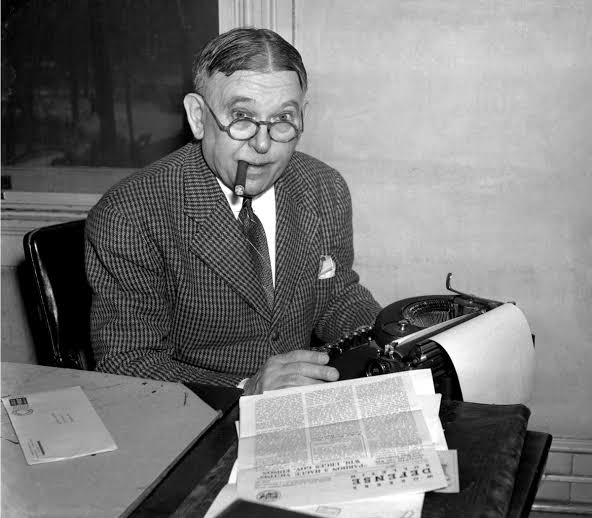
    HL Mencken: 14 Great Quotes

    Henry Louis Mencken (1880-1956) was one of the greatest journalists, essayists, and cultural cititics of the 20th Century. Here are some of the best quotes by H.L. Mencken, along with their sources:

    1. **”For every complex problem there is an answer that is clear, simple, and wrong.”***Source:* Often attributed to Mencken; appears in various writings but exact origin is uncertain.

    2. **”The most dangerous man to any government is the man who is able to think things out for himself.”***Source:* *The American Mercury*, 1926.

    3. **”Democracy is the theory that the common people know what they want, and deserve to get it good and hard.”***Source:* *Notes on Democracy*, 1926.

    4. **”Puritanism: The haunting fear that someone, somewhere, may be happy.”***Source:* Attributed in various works; exact source uncertain but reflects Mencken’s critiques of morality.

    5. **”No one ever went broke underestimating the intelligence of the American public.”***Source:* *The American Mercury*, 1920s.

    6. **”Nobody ever lost a dollar by underestimating the taste of the American public.”***Source:* Similar in theme to above; from Mencken’s critiques of popular culture.

    7. **”The whole aim of practical politics is to keep the populace alarmed (and hence clamorous to be led to safety) by menacing it with an endless series of hobgoblins, all of them imaginary.”***Source:* *In Defense of Women*, 1918.

    8. **”On some great and glorious day the plain folks of the land will reach their heart’s desire at last, and the White House will be adorned by a downright moron.”***Source:* *The American Mercury*, 1920.

    9. **”The urge to save humanity is almost always a false front for the urge to rule it.”***Source:* From Mencken’s commentary on social movements, particularly in *The American Mercury*.

    10. **”In every man under thirty there is a lawless anarchist, and in every man over thirty there is a conformist coward.”***Source:* From Mencken’s *A Mencken Chrestomathy* (1949).

    11. “An idealist is a person who helps other people to be prosperous.”— Source: From Mencken’s writings on social criticism and human nature.

    12. **”It is the dull man who is always sure, and the sure man who is always dull.”***Source:* From *The American Mercury*, December 1925.

    13. **”The education of a man is never completed until he dies.”***Source:* Paraphrased from Mencken’s writings on education and lifelong learning.

    14. **”Every decent man is ashamed of the government he lives under.”***Source:* From *The American Mercury*, 1925.

    These quotes showcase Mencken’s sharp wit and often cynical view of politics, society, and human nature. For full context, many are found in his essays and articles published primarily in *The American Mercury* magazine during the 1920s.

  • Carry the Bear Spray Around Me

    Which animal would you compare yourself to and why?

    The bear comes easy as an answer, and I guess I’m more like a black bear than a brown or polar bear, or any of the other species. Let me explain the ways:

    I’m fairly big and hairy, with dark fur. I can eat a lot, and I gained some weight for the winter. I’ll try to lose it in coming months. I tend to be less active and sleep more during the winters, almost like a state of torpor hibernation.

    I’m fairly docile and sometimes even timid, except when I’m not. I will flee threats in most cases, but I will fight back if cornered or to protect the ones I care about.

    What else? I tend to be picky about what I eat, but I like tasty high fat, sugary, and salty foods. I can eat a whole lot of berries. I’m not much of a runner, but I can sprint at times.

    I lived in (man) caves, and often alone (not always).

    So I’m somewhat cuddly and somewhat deadly. LOOK OUT!🐻

  • York The Dork

    What is your middle name? Does it carry any special meaning/significance?

    York is my middle name, and it was my father’s first name. I think one of my nephews also has that middle name.

    The name is ancient, and it evolved from the Brittonic Celtic word Eboracon, which I read means Yew Tree Place. It has British and Norse origins. Of course, there’s modern cities with either York as a full name or part of the name. British-American usage in the modern world.

    My first name means a channel of water, my middle name means an area of a bunch of trees, and my last name comes from one of the main disciples of The Nazarene. Maybe it has some significance, but I doubt my parents put that much thought into my full name.

    So yes, I probably have some British and Scandinavian ancestry, base on ancestry research I’ve done on my dad’s side of the family. But York is an unusual name in modern times. I sometimes make jokes about my middle name or middle initial.

    I had no idea how Eburācon became Eboracum, then Eoforwīc, then Jórvík, and finally York. They don’t even have much similarity, and I never encountered those specific words before.

    Yes, I had to use the internet to research the origin of my second name: A place of Yew Trees. What the hell is that?!

  • The Night Door

    What is the last thing you learned?

    I’m currently staying in a hotel in another country, and it seems at night the front entrance is locked for security reasons. My first night here, I was trying to go outside to vape at 10pm, but the door can’t open. There is an button near it, so I press it. The door is still locked; I can’t open it still.

    There’s a woman at reception, telling me something in a language I can’t hear or understand much of. I wear hearing aids due to moderate to severe hearing loss, but I didn’t have them in cuz I just wanted to vape outside and I take the hearing aids out when they get uncomfortable after awhile, or I turn in for the night.

    After some time of me being puzzled, the woman walks to the front door, presses the button and opens the door at the same time. Oh, thank you! I say in the language I have limited knowledge of.

    I learned at least one thing, technically 3. One thing is that I learned how to open that hotel entrance door by pressing that electronic button and opening the door at the same time, that specific method. The other thing is that I should wear my hearing aids any time I expect to be around any other people, cuz I never know when I’m gonna have to hear or speak to other people, and the last thing is I need to learn more of that language I took 2 high school courses and having a basic proficiency in decades ago.

    I’m vague about where I am cuz of the interesting times we live in.

  • “Do you have any money you could give me/us?”

    What is one question you hate to be asked? Explain.

    There’s variations of this question, but it’s a common one that happens the most often that irks me. Homeless or needy people asking me for any help I can offer. Advertising, political ads, and fundraisers asking me for buy or give. Sometimes friends or family will ask me to help them out. There’s various other examples.

    I have a limited income, and while it’s enough to support myself, I have to go without certain indulgences. I try to be frugal and yet I can be generous at times

    The problem is, while I can be generous and have a history of volunteering, there’s limits to my generosity. Like, I can give 2$ to a panhandler at times, but I can’t give the person 20$ or more. At least not too often. I definitely can’t buy the person a new home or even a hotel room for the night. And I can’t afford to give 2$ to 20 or more panhandlers in a day. That has happened before when I’m in cities.

    Another example. There is an annual pledge drive from a famous website that I and millions of others use and appreciate. I have donated smaller amounts at times, but I can’t afford to do larger donations every year. I also can’t afford to give to various fundraisers, only maybe one or 2 per year. There’s times when my bank account is close to going negative.

    I have a hard time saying “no”. There’s often a social pressure to say yes and give money to help others, buy certain products or services, or donate to different causes or political parties and candidates. I try to use my own judgement. I buy, donate, or give when I can afford it, but I can’t always afford it.

    So I end up feeling a lament that my generosity isn’t enough, or my income is too meager to make a big difference in someone’s life with my income, buy a more expensive product/service, or to support a cause I wish that I could. I buy/donate/give to a certain point, but if I go over that limit, I go into survival mode and start saying no or declining more often.

    So there’s a struggle in me between altruism and selfishness. It’s partly why keep to myself much of the time, or I have to cut people off if I’m asked to give more.

    The main reason I struggle with my generosity is, if I ever need financial help, I too often can’t find it. I’m lucky to have the income I have now, cuz I know there’s people living with much less.

  • My Robot Hobby

    My Robot Hobby

    Describe the most ambitious DIY project you’ve ever taken on.

    I’m a fairly creative person. I’m not highly creative; I know that there’s people out there who are more so. But I have written certain papers and I’m technically published, cooked different foods, created my own songs, painted and drew over the years, gathered supplies for my own Halloween costumes and makeup, and I’m dabbling in AI generated written articles, images, and videos.

    I also “drew” the first few pages of a comic book that went nowhere when I was a teenager.

    However, I would say that my robot hobby is the most ambitious project I’ve done. Yes, I build kits and sets, although I have tried to make simple designs using a single hobby motor, gears, and hobby supplies like glue, paper clips, plastic lids, and popsicle sticks.

    Robotics is one of my special interests, and I’m proud that I was able to complete 8 robot projects, although I made several more science based mechanisms, and I had some botched projects.

    The most ambitious robot was a black plexiglass Hexapod (six legs). 13 motors, LED lights, an Ultrasonic sensor, and a Arduino clone circuit. It did require programming in C++ and Python.

    That was a difficult project, and while it could move somewhat, and I could make the LED lights turn on, it couldn’t move fully. I was disappointed of what I could do with the Hexapod kit, so I ended up discarding it during a move.

    Robotics is hard, but I’m proud of what I could do with little formal education, and limited resources. I know that there’s robots currently being made that are more advanced and expensive than what I made, but I was able to accomplish things I couldn’t dream about 15 years ago.

    For example, I built a type of robot that I could voice control using an app, and a “Whegged”robot that could crawl on different terrain like grass and rocky terrain. I made a cargo type of treaded robot that could carry lightweight objects like drinks and articles of clothing.

    I’ll keep dreaming and trying new things. Maybe it can lead to something in the future.

  • Tropical Heat🥵

    What is the biggest challenge you will face in the next six months?

    I’m currently in a country with a Mediterranean climate, even though it’s technically winter here. Not too hot, not too cold. It rarely snows here, although a jacket and knit cap may be required during the night time. I dealt with frigid temperatures before, so it’s comfortable enough here.

    However, next month I’m traveling to a country with a tropical climate, and it’s hot and humid almost all year. Near unbearable heat, similar to Miami weather.

    I’ve endured extreme heat and cold before, but that climate is something else.

    I’ve been to the country before last year, and I tried everything to stay cool without access to more expensive air conditioning. Drinking ice water and cold drinks, wearing shorts and t-shirts, swimming and showering several times a day, having a fan close by blowing wind on me, staying in shade, and minimizing my activity outside. Having a frozen water bottle cool me down. Very little relief, still sweating like crazy.

    It got to the point where I was suffering heat stress and developing health issues. So after 3 weeks, I finally gave in and stayed in lodging with regular air conditioning. Finally, some real relief, and my health improved.

    I plan to stay in this country for 6 months, at least! Possibly longer. I don’t like extreme hot or frigid weather, but between the two, I’ll chose the hotter weather. At least I don’t have to deal with the snow and gloom.

    I don’t know how the local people tolerate the climate, but they adapted well enough that they can wear long shirts and pants outside. And here I am from a Midwestern climate, sweating buckets minutes after being outside in shorts and a t-shirt.

    And it could get even hotter in coming years! Yes, a challenge I’ll try to meet. I still like being in the country though, I just complain about the climate. I’ll manage somehow.

  • The World Needs Misfits

    What advice would you give to your teenage self?

    Oh, I would have to make a list of the things I would tell my younger self. But I’ll start with changing the mindset about loneliness. Being alone can be an advantage in some ways , and I developed in such a way that I can tolerate isolation better than others. Maybe not try so hard to make friends and date. It will happen in time with less pressure.

    Save money as much as possible. I fell for the materialistic creed, and thought that I would always be fairly comfortable financially. There were definitely lean times in my life, and there may be more in the future. So try to be more frugal.

    Study engineering in university. I wouldn’t say that I have a talent in engineering, more like a general interest that could have developed further with formal schooling. Maybe I could have worked as in robotics, materials science, or even in artificial intelligence. There’s more opportunities for engineers than the other fields I studied.

    Don’t smoke or toke, no matter how stressed or upset you get. I developed bad habits in my late teens and twenties, mainly cuz I don’t cope with stress well. I didn’t know that those habits would cause more stress and difficulty over time, plus I would be able to save money if I didn’t develop those habits. I didn’t fully understand how a mind could be addicted to substances.

    Read more science and philosophy. I read a lot, but the stuff I was reading as a teenager is different than what I read now. I would recommend Bertrand Russell, Arthur Schopenhaur, Albert Camus, and maybe some other ones, since their works would help me understand the world better, and help me cope with problems I would have throughout my life. I could have developed a different mentality.

    Walk more, and be more creative. I still love music, but I can barely play. I could have developed my music skill more, maybe using studio software. And walking and biking seem to exercise that I can tolerate. Paint, draw, and write, maybe some opportunities would come up.

  • The Curse of being Atypical.

    What bores you?

    So, what bores me? It’s more like what doesn’t bore me. I have been more selective of how I spend my free time.

    Formal education bores me. I went to school for several years, including a technical college and university. Going to lectures, listening to 2 or 3 professors or teaching assistants per day lecture for hours at a time, sometimes reading about subjects that can be tedious. It often took an innovative or charismatic teacher for me to pay attention in class, or I took a course that I have familiarity and interest in.

    Sports bore me. While some people find athletic teams and individuals fascinating, I often don’t. It’s more like I count how many sport injuries can happen during a game or match.

    Many television shows and oftentimes movies can bore me. Television comedies seem to be my go-to, but it has to be very funny for me to keep sustained interest.

    While I used to like movies, I think I saw so many over decades that I can predict plot twists and movie tropes. I maybe see one or 2 movies a year now, and they tend to be the blockbuster type of film. I was bored seeing the second Avatar movie, it was so long.

    I read everyday, but I find books boring now. I don’t think I have the attention span to read novels, but I will read the occasional non-fiction book. I may not finish though, but I will read up on summaries and profound quotes after. And certain articles are Too Long; Didn’t Read, so I’ll skip to the last 2 paragraphs.

    I tended to job hop after 18 months-2 years in most cases, cuz I would grow bored with the routine over time. I would get excited at first once I got a job, I would then learn the routines, and over time have contempt over the routine. And often the pay wasn’t good enough for me to tolerate the stress and boredom and stay longer.

    What else? Some music genres can be uninteresting for me, like Country music, Folk, Jazz. While I was a fan of the early days of Rap and HipHop, it seems like even the modern artists these days are going through the motions.

    I partly left the US cuz I found my newer residence boring. When shopping and eating are the main pastimes there, I was ready to move after 5 years. Nice weather though.

    Maybe it’s me. I lived too long, had my fill of experiences, and became burnt out and world weary. It’s harder to find interesting things about living on Earth. I will probably dabble more in virtual reality in the near future, if I can afford it. Longing for the Holo-Deck, or Death. Whichever comes first….

  • A Cuppa Coffee for a Neurodiverse Mind

    What is your favorite drink?

    I have a cup of coffee near me now. Instant coffee and heated mineral water, a little milk, and I currently don’t add sugar, or add a little sweetener. I probably drink way too much coffee. When I brew coffee, I can easily drink a pot or more a day.

    I do like other drinks, like Soda (Pop), fruit juices, alcoholic beverages, tea at times. Milk I only drink if I can get a gallon jug of it, otherwise I use it for cereal or for cooking. But since I have been diagnosed with type 2 diabetes, I limit consuming the other drinks.

    Coffee is relatively affordable, healthy, and a comfort to drink. It’s possible that I self medicate and stimulate with coffee due to my autism and possible ADHD, but it probably does contribute to whatever sleep and anxiety problems I have.

    My parents and grandparents were coffee drinkers, and I’m currently in a country with several cafes. I tend to make my own brews though to save money. I don’t mind Espresso, but my go to coffee is brewed American style. I feel like I get my money’s worth, even though it’s just extra water.

    Coffee has been repeatedly proven to have several antioxidants and can offer resistance against several diseases and increase lifespan. And perhaps the coffee grounds can be used as a bio-char to add to strengthen concrete. So there’s probably a good reason why I drink so much coffee.

  • Hetty Green: “The Witch of Wall Street”

    Hetty Green: “The Witch of Wall Street”

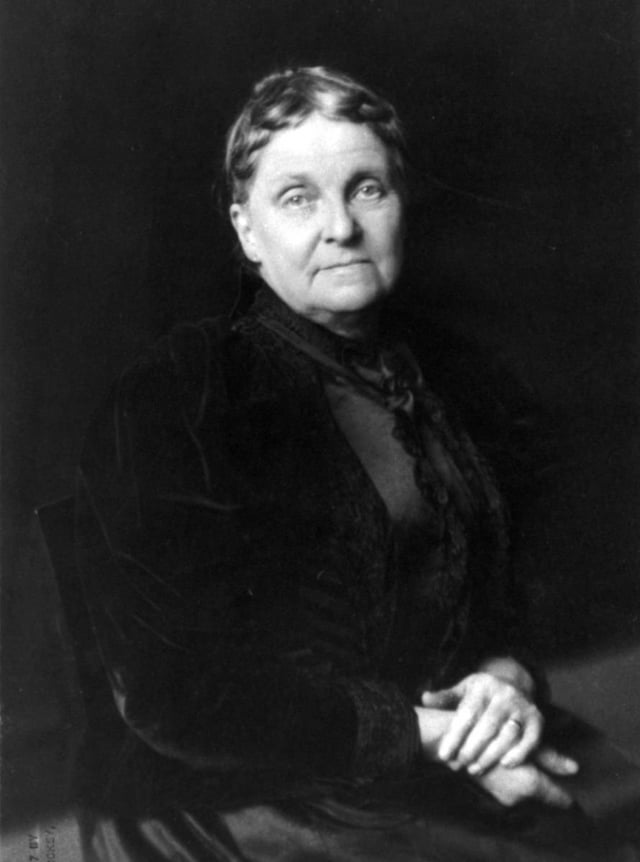
    I’m going to diversify the topics of articles on my blog, and write about the inspiration for the name of my blog. HETTY was named after Henrietta “Hetty” Green, an American investor and secret philanthropist during the late 19th and 20th century. At one time, she was the wealthiest woman in the US.

    I did limited research about her, but what I’ll write what I know. She came from a wealthy Quaker family based in Massachusetts, and received an 6 million$ inheritance after the deaths of her father and aunt in 1865. She was educated enough in finance by her father and grandfather to make her own investment decisions in her own modest home or in banks, and invested in mortgages, real estate, government bonds, railroad stocks, and other diverse investments.

    In 1867, she married Edward Henry Green, and soon after had 2 children, Edward Green II and Sylvia. It’s notable that her husband was also wealthy, but they kept their finances separate, and there was a pre-nuptial contract before the marriage. Hetty continued to invest and live frugally.

    Hetty was a shrewd investor, and she was known to have lived an extremely frugal lifestyle, bordering on miserliness. She ate simple meals (oatmeal is rumored to be part of her regular diet), lived in modest housing with her family, avoided paying for hot water and electricity, and after her husband died, she wore a single simple black mourning dress daily until it had to be replaced with other simple clothing.

    She may have been a miserly money hoarder, but she was also a financial genius, succeeding in an industry dominated by men. The media and business rivals of the time spread rumors about her extreme frugality, but she lived a simple life based on her Quaker upbringing. I see the frugal traits of Warren Buffet and the Financial Independence, Retire Early movement in her modest way of life.

    She was also misunderstood during her time. She did anonymously donate to charities in her life, and her 2 grown children later donated the majority of their 100 million dollar inheritance to various charities after Hetty Green’s death in 1916.

    I chose HETTY as the name as my blog, cuz I believe in Hetty Green’s philosophy of living as frugal as possible, lifelong learning, and low key generosity. I sometimes post articles at times about financial advice, money saving lifehacks, and ways to make and save money.

    Hetty Greene died in 1916 at her son’s home. She was able to turn a 6 million dollar inheritance into a fortune of over 100 million dollars. Adjusted for inflation in today’s dollars, that is over 2 billion dollars.

    Was Hetty Green truly a Witch, or the Queen of Wall Street?

  • Blue Dockers Hiking Boots

    Tell us about your favorite pair of shoes, and where they’ve taken you.

    I’m not picky when it comes to shoes, which seems to be a problem for my brothers. As long as they are affordable and they fit me, I’ll wear them. However, the best pair of shoes I ever owned were dark blue, black, and gray Dockers Hiking boots.

    I didn’t buy the high rise shoes myself, but rather they were a Christmas gift from my youngest brother some years ago. He most of all would complain about me buying cheaper lower quality shoes that I tended to wear longer than the time they should have been replaced.

    I liked the stylish almost futuristic design, they were snug and comfortable, and looked good with various articles of clothes. They kept my feet warm and dry, especially while walking in several inches of snow during the winter. The soles had good grip on ice and other slippery surfaces.

    While I wish that I can say that I traveled far and wide in different countries while wearing those shoes, but in most cases I wore the boots around my hometown. I wore them when I went to bars and clubs, wore them outside during the winter and walked in puddles and grassy areas, and when I visited family and friends. I’m sure I wore them at work when I was allowed to.

    I kept the higher quality boots for over 2 years, probably closer to 3 years, but I eventually replaced the hiking boots cuz they were worn out and uncomfortable to my feet. And I’m sure that I went back to the affordable lower quality shoes. Hey, old habits die hard.

  • ShowTime Pizza!

    ShowTime Pizza!

    Share one of the best gifts you’ve ever received.

    I went to ShowTime Pizza Place as a kid, likely after getting on my parents’ case begging to go. I remember being told no more than once, they can’t afford it. Understandable now, I didn’t understand at 8 years old. 50$ was a bigger chunk of change then.

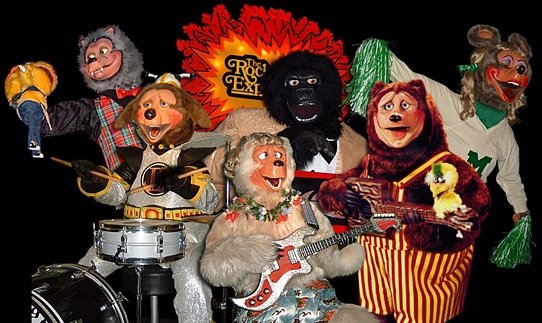
    ShowTime Pizza was a family friendly Pizzeria with a gimmick. It had a video game arcade with many of the most popular cabinet video games at the time- Pac-Man, Space Invaders, Donkey Kong, Joust, Defender, Burger Time, Sinistar and so on. Maybe some more obscure games that I don’t remember playing.

    It also had a dining hall with a stage featuring singing and talking Animatronic Animal Characters, like Billy Bob Brockali, Looney Bird, Rolfe DeWolfe, and various other animal characters. These animatronic characters, along with the Chuck E Cheese Animatronics, were the inspiration for the antagonistic robots in Five Nights at Freddies “horror” movies and video games.

    No, I never thought the animatronics were creepy. I thought of the furry characters as robots, which I continue to be fascinated by.

    Anyways, my parents gave in, and I was able to go to ShowBiz Pizza Place for my 9th birthday. I remember the Pepperoni pizza and pitchers of Pepsi were tasty enough for a grade school kid. I remember being proud that I could eat 4 slices of pizza then.

    I loved the video games, of course, and tried and failed to play the Legendary laser disk game Dragon’s Lair. I loved the Don Bluth animation, and that game ate up many of the tokens my parents gave me. I couldnt go far with that game though.

    But what I remember the most about that pizza party at ShowBiz Pizza, was during the birthday meal, “The Rock-afire Explosion” band “talked and sang” to me directly to wish me a happy birthday. And I remember being touched by the nice gesture and being near tears that my parents cared enough about me to arrange the birthday shout-out with the Pizzeria staff.

    So, yes, I enjoyed my time at ShowBiz Pizza, and I understand that it later merged With Chuck E. Cheese Pizza. One of those nostalgic fond memories, and it also contributed to my interests in robots, video games, comedy, and good food.

  • Financial Anxiety

    Write about your approach to budgeting.

    I live on 2 pensions, and I’m grateful I have them. I’m a disabled veteran with a good number of invisible disabilities. Maybe the fact that I wear hearing aids is the most evidence that I have a long list of physical, psychological, and neurological disabilities.

    Unfortunately, I have debt and bills, but I live a decent lifestyle so far. About a third of my monthly income goes towards debt, phone bill, insurance, and other fees, a third goes towards rent and other expenses, and then a third on food, transportation, entertainment options.

    Every month, I use the calculator on my phone to figure out my monthly budget. It’s based on financial anxiety, cuz I try to figure out my expenses after I pay my bills and rent, and see if I have enough to have any disposable income.

    The expenses vary month to month. Some months I stick to a budget, other times I go over and have to use credit or cut expenses elsewhere. I cook my own meals more often (food service experience has come in handy), I tend to buy the cheapest food products of foods I will likely eat. I will shop at thrift stores and discount supermarkets. I buy the cheapest brand of cigarettes, or switch to vaping if it’s the cheaper option.

    I have a smaller amount left over for fun money, and sometimes I help out family and friends. I’m treading water financially, but I lived through worse. It’s at the point where I’m looking into passive income and side gig work.

    I wish that I was better with money, but at the same time don’t want to give up certain comforts and conveniences. I have made small investments that I hope pay off, and I hope that I have the wisdom, connections, and funds to see a good bargain or opportunity in the future.

  • The Observer

    If there were a biography about you, what would the title be?

    I had to think about this prompt question for awhile, but The Observer is probably the best title for a biography I could come up with. Maybe if I’m ever worthy of someone writing my biography, the author can think of a better one. But it’s a safe yet honest title.

    I’m not famous or infamous (yet), and as much as I’d like to be remarkable somehow, I’m likely unremarkable in every way. I have a certain skill set that’s probably outdated in the 21st century, but what I do best no matter what is observe.

    I’m an introvert, although I sometimes wish that I wasn’t. I can be quiet, and passive to a fault. And I’m alone most of the time, although I do attempt to be social. However, I observe people and see mostly mundane behavior, although there were moments where I saw violent or unusual behavior from a distance.

    I observe animals, wild or domesticated, doing their own things, I observe the daily life of cities and towns, cars passing, people walking, sometimes with pets, children, or companions. I detect stimuli through whatever functional senses I have left. I see debris and garbage around, and I’ll pick it up and dump it if I’m in the mood. And I observe whatever scenery I’m around when I’m outside. I’ll observe nature do its thing, but I have been in various environments and climates. Deserts, temperate forests, mountainous regions, larger cities, beaches, tropical areas, and green fields.

    Oh, I’ve been on the outskirts of historical events or situations at times, but not as any of the main “actors”. Again, just observing the good, bad, and neutral among people, places and things.

    Sometimes I’ll write about it or photo/video record it. So far, it hasn’t led to anything special or lucrative. And based on prior evidence, I doubt that it lead to anything special in the future. I could be wrong though. Here’s hoping!

  • The Oldest People in History: Lifespans, Stories, and Remarkable Biographies

    The Oldest People in History: Lifespans, Stories, and Remarkable Biographies

    Throughout history, tales of extraordinary longevity have fascinated and inspired us, offering glimpses into lives that have spanned well beyond the ordinary. The oldest people in history not only defied the limits of human lifespan but also witnessed incredible changes across centuries, their stories rich with resilience, wisdom, and remarkable experiences.

    In this blog post, we will explore the lifespans, captivating stories, and unique biographies of some of the most long-lived individuals in history, uncovering the secrets behind their longevity and the legacy they left behind. Whether driven by genetics, lifestyle, or sheer luck, these remarkable lives remind us of the extraordinary possibilities of the human journey.

    1. Introduction: Exploring the Lives of the Oldest People in History

    Throughout human history, stories of extraordinary longevity have fascinated and inspired us. From ancient legends to well-documented cases, the lives of the oldest people offer a unique window into the possibilities of human lifespan, resilience, and the secrets to aging gracefully. In this post, we’ll explore some of the most remarkable biographies of individuals who have defied the odds, living well beyond a century. We’ll delve into their lifespans, the historical contexts they lived through, and the personal stories that shaped their long journeys.

    Whether it’s Jeanne Calment, who holds the record for the longest confirmed human lifespan, or lesser-known centenarians whose lives touched communities and cultures around the world, these stories provide not only intriguing facts but also valuable lessons on health, longevity, and the human spirit. Join us as we embark on a fascinating exploration of the oldest people in history.

    2. Understanding Human Longevity: Biological and Environmental Factors

    Human longevity is a complex interplay of biological and environmental factors that together shape the potential lifespan of an individual. Biologically, genetics play a crucial role- certain gene variants have been linked to longer lifespans and a lower risk of age-related diseases.

    For example, some individuals possess genetic traits that enhance cellular repair mechanisms or improve metabolic efficiency, contributing to healthier, longer lives.

    However, genetics alone do not determine lifespan; environmental influences are equally significant. Access to nutritious food, clean water, quality healthcare, and safe living conditions all contribute to overall health and longevity.

    Additionally, lifestyle choices such as regular physical activity, stress management, and avoiding harmful habits like smoking dramatically impact how long and how well a person lives. Social connections and mental well-being also play vital roles, as studies have shown that strong relationships and a positive outlook can improve lifespan.

    By understanding how these biological and environmental factors intertwine, we gain valuable insights into the remarkable stories of the oldest people in history and the keys to unlocking a longer, healthier life.

    3. Jeanne Calment: The Longest Verified Lifespan

    Jeanne Calment holds the record for the longest verified human lifespan, living an astonishing 122 years and 164 days.

    Born in Arles, France, in 1875, Jeanne witnessed an incredible span of history- from the invention of the telephone to the dawn of the internet age. Her longevity has fascinated scientists and historians alike, offering valuable insights into aging and human resilience.

    Jeanne attributed her long life to a combination of factors, including a diet rich in olive oil, a calm and optimistic outlook, and a lifestyle that included regular physical activity such as cycling and fencing in her youth. She was known for her sharp wit and sense of humor well into her later years, often joking about her age and the secret to her longevity.

    Her remarkable biography not only highlights the extremes of human lifespan but also serves as an inspiring testament to the possibilities of longevity. Jeanne Calment’s life story continues to captivate researchers and the public, reminding us of the extraordinary potential of the human spirit across more than a century.

    4. The Story of Jiroemon Kimura: Japan’s Centenarian Legend

    Jiroemon Kimura’s story is nothing short of extraordinary- a testament to longevity, resilience, and the quiet strength of the human spirit.

    Born on April 19, 1897, in Kyotango, Japan, Kimura lived through three centuries, witnessing profound changes in the world around him. He held the Guinness World Record as the oldest verified man in history, celebrating his 116th birthday in 2013 before passing away later that year at the remarkable age of 116 years and 54 days.

    What makes Kimura’s life particularly inspiring is not just the length of his years but the quality and simplicity with which he lived them. A postman by profession, he credited his long life to a combination of hard work, a balanced diet, and a positive outlook. He maintained a routine that included early mornings and modest meals, often emphasizing the importance of eating light and staying mentally active.

    Kimura’s longevity also reflects the broader cultural and genetic factors associated with Japan’s famously long-lived population. His story has been celebrated worldwide, inspiring researchers and individuals alike to explore the secrets of healthy aging.

    More than just a record-holder, Jiroemon Kimura remains a symbol of endurance and the incredible potential of the human lifespan.

    5. Sarah Knauss: America’s Oldest Recorded Person

    Sarah Knauss holds the remarkable title of America’s oldest recorded person, having lived an extraordinary 119 years and 97 days.

    Born in 1880 in Hollywood, Pennsylvania, Sarah witnessed an incredible span of history- from the invention of the telephone to the dawn of the internet age. Her longevity has fascinated researchers and admirers alike, not only because of her age but also due to her calm and cheerful disposition throughout her life.

    Known for her gentle nature and positive outlook, Sarah lived a relatively quiet life. She attributed her long life to staying calm, avoiding stress, and maintaining a peaceful mindset. Even in her later years, Sarah remained mentally sharp and was said to have a good memory and clear speech. Her family often remarked on her resilience and ability to adapt to changing times, which may have contributed to her incredible lifespan.Sarah’s story is a testament to the power of a balanced lifestyle, strong family support, and a positive attitude.

    Her life continues to inspire those who seek to understand the secrets behind human longevity, and her legacy remains a significant chapter in the history of supercentenarians.

    6. Historical Figures with Remarkable Longevity

    Throughout history, several figures have stood out not only for their achievements but also for their extraordinary lifespans, defying the odds of their time. One notable example is Li Ching-Yuen, a Chinese herbalist and martial artist who, according to some accounts, lived for over 197 years.

    While the accuracy of this claim is debated, Li’s story has become legendary, symbolizing the potential benefits of traditional Chinese medicine and a balanced lifestyle.

    In addition to these individuals, there are various other historical figures whose longevity has intrigued researchers and historians alike. Their stories often intertwine with cultural practices, diets, and philosophies that emphasize harmony with nature and mental well-being. Exploring these biographies provides valuable insight into how longevity was perceived and pursued in different eras and cultures, offering inspiration and lessons that remain relevant today.

    7. Common Traits and Habits Among the Oldest People

    While each of the world’s oldest individuals has a unique story, researchers and biographers have identified several common traits and habits that seem to contribute to their extraordinary longevity. Many of these centenarians share a balanced approach to life, combining physical activity, a nutritious diet, and strong social connections.

    One recurring habit is maintaining an active lifestyle. Whether it’s gardening, walking, or engaging in light exercise, keeping the body moving appears to support both physical health and mental sharpness well into old age.

    Additionally, many of the longest-lived people consume diets rich in whole, natural foods, often emphasizing fruits, vegetables, lean proteins, and healthy fats-while avoiding excessive processed foods and sugars.

    Social engagement also plays a critical role. Longevity often goes hand in hand with maintaining strong relationships with family and community, fostering a sense of belonging and purpose. Many centenarians attribute their long lives to staying mentally active through hobbies, reading, or lifelong learning, which helps sustain cognitive function and emotional well-being.

    Lastly, a positive outlook on life, resilience in the face of adversity, and a capacity to manage stress effectively have been noted as key psychological traits among the oldest people. While genetics certainly influence lifespan, these common lifestyle habits and mindsets offer valuable insights into how longevity can be nurtured.

    8. The Role of Genetics in Extreme Lifespans

    Genetics plays a significant role in determining lifespan, especially when it comes to those exceptional individuals who live well beyond the average human age. Studies of centenarians and supercentenarians- people who live to 100 years and beyond- have revealed that certain genetic factors contribute to longevity. These individuals often possess unique genetic variations that enhance their cells’ ability to repair damage, reduce inflammation, and maintain metabolic health.

    For example, genes involved in DNA repair mechanisms, immune system function, and cellular resilience are frequently found to be more active or efficient in those with extreme lifespans.However, genetics is only part of the story. While having a favorable genetic makeup can provide a strong foundation for a long life, environmental factors, lifestyle choices, and social connections also play crucial roles.

    Researchers continue to study families with a history of exceptional longevity to better understand how these genetic traits are passed down and how they interact with other factors to promote a longer, healthier life.

    Ultimately, the role of genetics in extreme lifespans highlights the complex interplay between our inherited blueprint and the lives we lead, offering hope and insight into the secrets behind living a remarkably long life.

    9. Cultural Perspectives on Aging and Longevity

    Aging and longevity have been perceived differently across cultures throughout history, shaping how societies honor their elders and understand the process of growing old. In many traditional cultures, elders are revered as the keepers of wisdom, history, and spiritual guidance.

    For example, in many Indigenous communities around the world, the elderly hold a respected status, often serving as storytellers and advisors who maintain the continuity of cultural knowledge and values.

    In contrast, some modern Western societies tend to emphasize youthfulness, sometimes marginalizing older adults.

    However, growing awareness of the value of aging has led to increased interest in celebrating longevity and learning from those who have lived extraordinary lives.

    Cultural practices such as Japan’s celebration of “Respect for the Aged Day” highlight the deep appreciation for seniors and their contributions to society.

    Furthermore, differing diets, lifestyles, social structures, and attitudes toward aging in various cultures have been linked to remarkable lifespans.

    The Blue Zones regions where people commonly live past 100 offer valuable insights into how cultural habits like strong family ties, active lifestyles, and plant-based diets contribute to longevity.Understanding these cultural perspectives enriches our appreciation of the oldest people in history, reminding us that longevity is not only a biological phenomenon but also deeply intertwined with social values and traditions.

    10. Medical Advances and Their Impact on Lifespan

    Medical advances have played a pivotal role in extending human lifespans throughout history. From the discovery of vaccines to the development of antibiotics, these breakthroughs have drastically reduced mortality rates from infectious diseases that once claimed millions of lives.

    For example, the introduction of the smallpox vaccine in the late 18th century marked a turning point in public health, eventually leading to the eradication of the disease.

    In more recent times, innovations such as improved surgical techniques, advanced diagnostic tools, and personalized medicine have further enhanced our ability to treat chronic illnesses and manage age-related conditions.

    The rise of preventative care and health education has empowered individuals to make lifestyle choices that promote longevity.

    Additionally, ongoing research into genetics and regenerative medicine holds promise for even greater extensions of human lifespan in the future.These medical advances not only contribute to longer lives but also improve the quality of life in our later years, enabling many of the oldest people in history to live vibrant, active lives well beyond what was previously considered possible.

    Understanding the impact of these developments helps us appreciate the remarkable biographies of those who have achieved extraordinary longevity.

    11. Longevity Myths and Misconceptions

    Longevity has fascinated humanity for centuries, often giving rise to a variety of myths and misconceptions about what it takes to live an exceptionally long life.

    One common myth is that certain foods or secret potions can dramatically extend lifespan. While a balanced diet and healthy lifestyle certainly contribute to overall well-being, there is no miracle food or elixir that guarantees longevity.

    Another misconception is that living past 100 is purely a matter of genetics. Though genetics do play a role, environmental factors, lifestyle choices, and access to healthcare are equally important in determining how long someone lives.

    Some stories of extreme age, such as claims of people living beyond 120 or even 150 years, have been debunked due to lack of reliable documentation or errors in record-keeping. In many cases, these tales stem from misunderstandings or exaggerations passed down through generations.

    It’s important to approach such claims with a critical eye and rely on verified records when studying the lives of the oldest individuals in history. Understanding these myths helps us appreciate the true complexity behind longevity and underscores the importance of scientific research and verified data in uncovering the secrets behind long, healthy lives.

    12. Lessons Learned from the Lives of Centenarians

    The lives of centenarians offer us invaluable lessons about longevity, resilience, and the human spirit. Many of these remarkable individuals share common traits that contribute not only to their impressive lifespans but also to the quality of their years. One key takeaway is the importance of maintaining strong social connections- centenarians often emphasize the role of family, friends, and community in keeping their spirits high and minds active.

    Additionally, many have led balanced lifestyles, incorporating regular physical activity, a nutritious diet, and adequate rest into their daily routines. Perhaps most inspiring is their positive outlook on life; a sense of purpose, adaptability, and the ability to find joy in small moments seem to be recurring themes. By reflecting on these lessons, we can gain insights into how to cultivate habits and mindsets that promote not only a longer life but a richer, more fulfilling one.

    13. How to Promote Healthy Aging in Your Own Life

    Promoting healthy aging is a vital step toward not only extending your lifespan but also enhancing the quality of your years. While genetics play a role in longevity, lifestyle choices have a profound impact on how gracefully we age.

    To foster healthy aging, focus on a balanced diet rich in fruits, vegetables, whole grains, and lean proteins, which provide essential nutrients that support cellular repair and reduce inflammation.

    Regular physical activity- whether it’s walking, swimming, or yoga- helps maintain muscle mass, flexibility, and cardiovascular health, all crucial for staying independent as you grow older.

    Equally important is nurturing your mental and emotional well-being. Engaging in social activities, pursuing hobbies, and practicing mindfulness or meditation can reduce stress and keep your mind sharp.

    Prioritizing quality sleep helps repair the body and supports cognitive function. Additionally, routine health check-ups enable early detection and management of chronic conditions.

    By embracing these habits, you not only improve your chances of living a longer life but also increase the likelihood that those extra years will be filled with vitality, purpose, and joy- just like many of the remarkable individuals featured throughout history.

    14. The Future of Human Longevity: What Science Predicts

    As science and technology continue to advance at an unprecedented pace, the future of human longevity is becoming an increasingly exciting and tangible prospect. Researchers are exploring groundbreaking fields such as genetic engineering, regenerative medicine, and advanced biotechnology with the goal of not just extending lifespan, but also improving the quality of those added years.

    Innovations like CRISPR gene editing hold the promise of correcting genetic mutations that contribute to aging and age-related diseases, while stem cell therapies aim to repair and rejuvenate damaged tissues throughout the body.

    Moreover, the study of cellular senescence- the process by which cells lose the ability to divide and function properly- is revealing new targets for interventions that could slow down or even reverse aspects of the aging process.

    Scientists are also investigating the role of lifestyle factors, such as diet, exercise, and microbiome health, in promoting longevity, emphasizing a holistic approach to aging well.While it remains uncertain exactly how far human lifespan can be extended, many experts predict that in the coming decades, breakthroughs in anti-aging therapies and personalized medicine could enable people to live significantly longer, healthier lives.

    This potential future not only raises fascinating scientific possibilities but also invites important ethical and social discussions about how extended lifespans might reshape society.

    As we continue to unravel the mysteries of aging, one thing is clear: the story of human longevity is far from over.

    15. Conclusion: Celebrating Remarkable Biographies and Lifespans

    Throughout history, the stories of the oldest people have captivated our imagination and inspired us to reflect on the possibilities of human longevity. These remarkable individuals not only reached extraordinary ages but also lived through incredible eras of change, witnessing firsthand the evolution of societies, technologies, and cultures.

    Their biographies offer more than just numbers- they provide a window into resilience, adaptability, and the human spirit’s capacity to endure. As we celebrate their lifespans, we honor their unique journeys, the lessons they impart, and the hope they give us for our own lives.

    In exploring these remarkable lives, we are reminded that longevity is not just about the years counted, but about the stories lived and the legacies left behind.

    Exploring the lives of the oldest people in history offers us a fascinating glimpse into the resilience, wisdom, and extraordinary experiences that come with a long life. Their stories remind us not only of the incredible potential of human longevity but also of the rich histories and lessons passed down through generations.

    Whether through their remarkable lifespans or the inspiring chapters of their biographies, these individuals continue to motivate us to cherish every moment and embrace the journey of life. We hope this deep dive into their lives has sparked your curiosity and appreciation for the remarkable tales that time can hold. ~H

  • I Outlived My Father

    What were your parents doing at your age?

    Unfortunately, my father died at 48, when I was 11. I so far outlived my father by 4 years, although I have many of the same vices he had that likely contributed to his early death by cancer. Smoking, drinking, probably not having the healthiest diet, although I made changes here and there. I’m eating oatmeal and flax seeds more often!

    As for my mother, she was working as a property manager at a senior residential apartment until her own death of cancer. It was work, talking to the senior residents at the property, talking to family and friends, watching TV shows, cooking and baking her favorite recipes, listening to her favorite song playlists on the internet, smoking cigarettes and drinking coffee. The bright spot of her later years was family.

    My mother remarried twice after my dad died, and her second marriage was ending around that time. It was amicable; she and her husband at that time were working different shifts, and weren’t spending much time with each other. And they did have different backgrounds, and probably didn’t have much in common otherwise.

    The second oldest brother got married, and had 2 sons, and my mother was thrilled to have babies in her life again. She would spend time with my nephews, and of course baby sat at times. Being around little kids was a joy, and she would beam in many of the family photos taken during that time.

    I’m trying to value what time I have left on this rock, not sure how much time I have left. But I have changed since my mother died. ~H

  • 13 of the World’s Greatest Thinkers

    13 of the World’s Greatest Thinkers

    Throughout world history, numerous intellectuals have profoundly shaped human thought, culture, and progress.

    Here’s a list of some of the greatest intellectuals whose ideas and discoveries continue to influence us today:

    – **Socrates (470–399 BCE)** — The classical Greek philosopher who laid the groundwork for Western philosophy through his method of questioning and dialogue.

    – **Plato (427–347 BCE)** — A student of Socrates, Plato founded the Academy and contributed foundational ideas in philosophy, politics, and metaphysics.

    – **Aristotle (384–322 BCE)** — A polymath who made lasting contributions to logic, science, ethics, and political theory.

    – **Leonardo da Vinci (1452–1519)** — The quintessential Renaissance man, da Vinci excelled as an artist, scientist, engineer, and inventor.

    – **Confucius (551–479 BCE):** Chinese philosopher whose teachings on morality, society, and governance deeply influenced East Asian cultures.

    – **Isaac Newton (1643–1727)** — His laws of motion and universal gravitation became cornerstones of physics and scientific inquiry.

    – **Immanuel Kant (1724–1804)** — A central figure in modern philosophy, known for his work on epistemology, ethics, and metaphysics.

    – **Charles Darwin (1809–1882)** — Revolutionized biology with his theory of evolution by natural selection.

    – **Marie Curie (1867–1934)** — Pioneering physicist and chemist, the first woman to win a Nobel Prize, known for her work on radioactivity.

    – **Albert Einstein (1879–1955)** — His theories of relativity transformed our understanding of space, time, and energy.

    – **Noam Chomsky (b. 1928)** — A linguist, philosopher, and political activist recognized for his groundbreaking work in linguistics and cognitive science.

    – **Sigmund Freud (1856–1939):** Founder of psychoanalysis, offering new insights into the human mind and behavior.

    – **Jane Austen (1775–1817):** Novelist whose keen observations of social structures and human nature have resonated across centuries.

    This list is by no means exhaustive, but each of these intellectuals has played a critical role in expanding the horizons of human knowledge and shaping the intellectual landscape of their times and beyond. ~H

  • A Shared Desktop

    Write about your first computer.

    Game consoles are technically computers- in which case my first computer was an Atari 2400 back in 1982. My parents bought it for my brothers and I. We were thrilled, and the whole family enjoyed playing games like Pac-Man and Space Invaders, and lesser known games like Yar’s Revenge and Pitfall. None of us knew then how advanced video games and computers would be in that future.

    As for my first personal computer, it was an HP desktop that my mother and I split the costs on. My mother was being treated for cancer, and I lived with her to assist her while going to University. The desktop ran on a Windows Vista operating system. Even though I had an Information Technology related degree in 2003, I couldn’t afford to get my own computer until 2007.

    I was more experienced with computers than my mother was, so I would show her at times certain websites and apps. I did college homework and research, read news articles, watched videos, listened to music, and used early era social media, while my mother mostly played video games and went on Social media.

    My mother died of cancer in 2009, so the desktop PC became mine. I kept that computer as long as I could, even though it was running very slow by then. The PC was discarded in 2019 during a move out of state.

  • Oh, the dream!

    What would you do if you won the lottery?

    Understand, I don’t play the lottery or gamble all that much. I know that the odds of winning a good sum of money from the lottery are really bad, and I maybe gamble once or twice a year at a casino, and it’s been small amounts that I can part with.

    I know that I can get out of control with gambling, but I think over time, I’m out 200$ between my lifetime winnings and losses. The most I ever won was over 400$ in Las Vegas, and I bowed out and paid bills soon after.

    However, if I did win a jackpot or even 100,000$, I would pay off any debt, give gifts to my family and friends. Maybe 2000$-$5000 each, depending on the winning amount. I would donate to some charities and the underdog political party of my choice, and then buy a ticket to The Netherlands or a Caribbean region country, get an investment visa, and try to live a comfortable and peaceful middle class lifestyle for the rest of my life. Invest and save a sum if I have any money left over. Of course, pay any necessary taxes.

    Of course I’d buy stuff, and I have my eye on some pricy items. No house or car though.

    Oh, and if I ever did ever win the big jackpot, I’m choosing the installment pay option. I don’t want to get too stupid with a large amount of money.

    And the dream bubble popped! Back to a humble existence. ~H

  • The Internet Is My Best Friend

    What do you enjoy doing most in your leisure time?

    It’s true. I read a lot, and the internet has plenty of reading material. I learn about various subjects of interest, and will occasionally read about subjects that doesn’t necessarily interest me, yet has interesting click bait headlines. Like I probably have more knowledge about nutrition, life hacks, and epidemiology than the average person.

    Theres videos, images, music and audio files, various apps like video games. I don’t even use streaming apps so much, but I could use them if I wanted to.

    I’m using AI apps more often, cuz I do queries for information, or it visualizes ideas I have. Yes, I have a distrust for AI, but curiosity got the best of me. And I have a rationale for using it as much as I have.

    Oh, I have family and a few friends. I’m not around them as much as I like, but I’ll text or video chat with them.

    Like many people, I’m on my phone or computer often, cuz it helps with boredom. Like cigarettes for me, the internet is the friend that’s always there. It has enriched my life in certain ways, although there are some aspects of IT tech that annoy or disturb me. Other parts I plain don’t use.

    Because of the Internet, I’m more knowledgeable about various subjects. I have my favorite apps and websites. The Internet is a positive in my life. Now if only I can figure out a way to make a better livelihood using it….

  • “Fun times”

    List five things you do for fun.

    1. Listen to music. Bangers and the occasional classic rock, disco, and pop song.

    2. Watch comedy bits, like funny scenes from movies and TV shows, and comedy bits from stand up.

    3. Eat comfort food. Fast food, junk food, cheaper yet tasty food.

    4. Nightlife- clubs, bars, and lounges. Sometimes concerts. It’s getting less fun as I get older.

    5. Private vices. I gave up one, but not the other. I may take up the other one again if I can find a reliable plug. 😉 2026 isn’t looking much better than 2025 so far.

  • Social Media Lost Its Novelty

    If you could un-invent something, what would it be?

    When I read this prompt question, 2 answers came to my mind. Either Plastics or Social Media. It’s sort of difficult to choose which of the 2 is worse for humanity at large, but I think Social Media has the edge over whether it should be un-invented.

    Plastics I think, could be redeemed with new innovations and regulations. Like with aluminum containers, there should be a return fee for plastic containers so they could be recycled and reused. More laws banning or regulating single use plastics, and more stores should sell reusable cloth shopping bags. I wrote a blog article recently that the plastic waste problem could be solved with enough regulation, innovations, and public will.

    Social Media, however, I find it hard to find the positives. It’s been used to spread propaganda and dumb conspiracy theories, used for more annoying advertising and marketing, scammers try to bilk money from other users, and others have made social media posts to post of horrible crimes, war atrocities, or dangerously fatal stunts. Cyberbullying, trolls, at times cyber attacks, and toxic influencers.

    And despite the potential for social media to bring people closer together and keep them better informed, more people are reporting increased feelings of loneliness, depression, anxiety, and isolation. And other media pushes dumb trends and misinformation.

    Everytime I get a friend request or a follower on social media, I have to check to make sure the user isn’t a scammer, a bot, or trying to sell me something I don’t want or can afford. I’m more selective with the social media I use, and I use some apps way less often then I did at the beginning.

    Again, this is a technology that could be improved with increased moderation and regulations, but there doesn’t seem to be any effective way to do so yet. The profit motive is too strong.

    Rant over!

  • Right now, the kitchen

    Where can you reduce clutter in your life?

    I’m a fairly disorganized person, but I will take time to organize the home. Right now, the most cluttered area is the kitchen. I have food and other items on the counters and table. It could take me 15 minutes to get the kitchen organized, and I’ll probably do it today. Thanks for the reminder and extra motivation.

  • To Create, Assist, and Educate

    What is your mission?

    My life changed for the better once I was formally diagnosed with an autistic spectrum disorder. I am odd, shy, cope with depression and anxiety, struggle with formal education, have unusual special interests, and I have various quirks, but there was a reason that wasn’t of my doing. Because of that, I became more of an advocate for autism. There’s pros and cons to being neurodiverse, and I try to focus more on the positives, and give insight about the negatives.

    I tend to be pendatic, but maybe some people’s eyes glaze over when I am. But sometimes I do reach people if I explain things in simple language, or they are curious about a topic. I have some experience as a tutor, and sometimes give instructions or advice.

    I always wanted to be an inventor or innovator, write a book, and live a comfortable middle class lifestyle. I dabble in various hobbies (including this blog). But seeing that there’s a polycrisis in recent years, I think I have to help others survive the 21st century and beyond.

    I went to college to study journalism, technical writing, and an information technology related field, so my idea to create the HETTY blog that combines my various skills, experiences,.and interests in a series of articles. Some of the articles are food service related, since I was a cook for years, and I struggled financially much of my life. Some articles.are science and technology related, since I’m pro science.

    I’m still figuring things out, but in simple terms, I want to create, educate, and assist others as I can. This century is looking very challenging in several ways.