Category: Future

  • My Robot Hobby

    My Robot Hobby

    Describe the most ambitious DIY project you’ve ever taken on.

    I’m a fairly creative person. I’m not highly creative; I know that there’s people out there who are more so. But I have written certain papers and I’m technically published, cooked different foods, created my own songs, painted and drew over the years, gathered supplies for my own Halloween costumes and makeup, and I’m dabbling in AI generated written articles, images, and videos.

    I also “drew” the first few pages of a comic book that went nowhere when I was a teenager.

    However, I would say that my robot hobby is the most ambitious project I’ve done. Yes, I build kits and sets, although I have tried to make simple designs using a single hobby motor, gears, and hobby supplies like glue, paper clips, plastic lids, and popsicle sticks.

    Robotics is one of my special interests, and I’m proud that I was able to complete 8 robot projects, although I made several more science based mechanisms, and I had some botched projects.

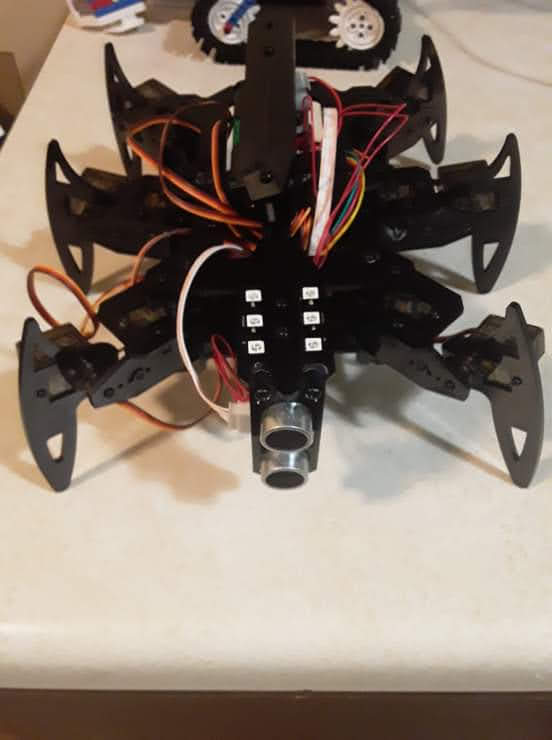
    The most ambitious robot was a black plexiglass Hexapod (six legs). 13 motors, LED lights, an Ultrasonic sensor, and a Arduino clone circuit. It did require programming in C++ and Python.

    That was a difficult project, and while it could move somewhat, and I could make the LED lights turn on, it couldn’t move fully. I was disappointed of what I could do with the Hexapod kit, so I ended up discarding it during a move.

    Robotics is hard, but I’m proud of what I could do with little formal education, and limited resources. I know that there’s robots currently being made that are more advanced and expensive than what I made, but I was able to accomplish things I couldn’t dream about 15 years ago.

    For example, I built a type of robot that I could voice control using an app, and a “Whegged”robot that could crawl on different terrain like grass and rocky terrain. I made a cargo type of treaded robot that could carry lightweight objects like drinks and articles of clothing.

    I’ll keep dreaming and trying new things. Maybe it can lead to something in the future.

  • The Observer

    If there were a biography about you, what would the title be?

    I had to think about this prompt question for awhile, but The Observer is probably the best title for a biography I could come up with. Maybe if I’m ever worthy of someone writing my biography, the author can think of a better one. But it’s a safe yet honest title.

    I’m not famous or infamous (yet), and as much as I’d like to be remarkable somehow, I’m likely unremarkable in every way. I have a certain skill set that’s probably outdated in the 21st century, but what I do best no matter what is observe.

    I’m an introvert, although I sometimes wish that I wasn’t. I can be quiet, and passive to a fault. And I’m alone most of the time, although I do attempt to be social. However, I observe people and see mostly mundane behavior, although there were moments where I saw violent or unusual behavior from a distance.

    I observe animals, wild or domesticated, doing their own things, I observe the daily life of cities and towns, cars passing, people walking, sometimes with pets, children, or companions. I detect stimuli through whatever functional senses I have left. I see debris and garbage around, and I’ll pick it up and dump it if I’m in the mood. And I observe whatever scenery I’m around when I’m outside. I’ll observe nature do its thing, but I have been in various environments and climates. Deserts, temperate forests, mountainous regions, larger cities, beaches, tropical areas, and green fields.

    Oh, I’ve been on the outskirts of historical events or situations at times, but not as any of the main “actors”. Again, just observing the good, bad, and neutral among people, places and things.

    Sometimes I’ll write about it or photo/video record it. So far, it hasn’t led to anything special or lucrative. And based on prior evidence, I doubt that it lead to anything special in the future. I could be wrong though. Here’s hoping!

  • The Oldest People in History: Lifespans, Stories, and Remarkable Biographies

    The Oldest People in History: Lifespans, Stories, and Remarkable Biographies

    Throughout history, tales of extraordinary longevity have fascinated and inspired us, offering glimpses into lives that have spanned well beyond the ordinary. The oldest people in history not only defied the limits of human lifespan but also witnessed incredible changes across centuries, their stories rich with resilience, wisdom, and remarkable experiences.

    In this blog post, we will explore the lifespans, captivating stories, and unique biographies of some of the most long-lived individuals in history, uncovering the secrets behind their longevity and the legacy they left behind. Whether driven by genetics, lifestyle, or sheer luck, these remarkable lives remind us of the extraordinary possibilities of the human journey.

    1. Introduction: Exploring the Lives of the Oldest People in History

    Throughout human history, stories of extraordinary longevity have fascinated and inspired us. From ancient legends to well-documented cases, the lives of the oldest people offer a unique window into the possibilities of human lifespan, resilience, and the secrets to aging gracefully. In this post, we’ll explore some of the most remarkable biographies of individuals who have defied the odds, living well beyond a century. We’ll delve into their lifespans, the historical contexts they lived through, and the personal stories that shaped their long journeys.

    Whether it’s Jeanne Calment, who holds the record for the longest confirmed human lifespan, or lesser-known centenarians whose lives touched communities and cultures around the world, these stories provide not only intriguing facts but also valuable lessons on health, longevity, and the human spirit. Join us as we embark on a fascinating exploration of the oldest people in history.

    2. Understanding Human Longevity: Biological and Environmental Factors

    Human longevity is a complex interplay of biological and environmental factors that together shape the potential lifespan of an individual. Biologically, genetics play a crucial role- certain gene variants have been linked to longer lifespans and a lower risk of age-related diseases.

    For example, some individuals possess genetic traits that enhance cellular repair mechanisms or improve metabolic efficiency, contributing to healthier, longer lives.

    However, genetics alone do not determine lifespan; environmental influences are equally significant. Access to nutritious food, clean water, quality healthcare, and safe living conditions all contribute to overall health and longevity.

    Additionally, lifestyle choices such as regular physical activity, stress management, and avoiding harmful habits like smoking dramatically impact how long and how well a person lives. Social connections and mental well-being also play vital roles, as studies have shown that strong relationships and a positive outlook can improve lifespan.

    By understanding how these biological and environmental factors intertwine, we gain valuable insights into the remarkable stories of the oldest people in history and the keys to unlocking a longer, healthier life.

    3. Jeanne Calment: The Longest Verified Lifespan

    Jeanne Calment holds the record for the longest verified human lifespan, living an astonishing 122 years and 164 days.

    Born in Arles, France, in 1875, Jeanne witnessed an incredible span of history- from the invention of the telephone to the dawn of the internet age. Her longevity has fascinated scientists and historians alike, offering valuable insights into aging and human resilience.

    Jeanne attributed her long life to a combination of factors, including a diet rich in olive oil, a calm and optimistic outlook, and a lifestyle that included regular physical activity such as cycling and fencing in her youth. She was known for her sharp wit and sense of humor well into her later years, often joking about her age and the secret to her longevity.

    Her remarkable biography not only highlights the extremes of human lifespan but also serves as an inspiring testament to the possibilities of longevity. Jeanne Calment’s life story continues to captivate researchers and the public, reminding us of the extraordinary potential of the human spirit across more than a century.

    4. The Story of Jiroemon Kimura: Japan’s Centenarian Legend

    Jiroemon Kimura’s story is nothing short of extraordinary- a testament to longevity, resilience, and the quiet strength of the human spirit.

    Born on April 19, 1897, in Kyotango, Japan, Kimura lived through three centuries, witnessing profound changes in the world around him. He held the Guinness World Record as the oldest verified man in history, celebrating his 116th birthday in 2013 before passing away later that year at the remarkable age of 116 years and 54 days.

    What makes Kimura’s life particularly inspiring is not just the length of his years but the quality and simplicity with which he lived them. A postman by profession, he credited his long life to a combination of hard work, a balanced diet, and a positive outlook. He maintained a routine that included early mornings and modest meals, often emphasizing the importance of eating light and staying mentally active.

    Kimura’s longevity also reflects the broader cultural and genetic factors associated with Japan’s famously long-lived population. His story has been celebrated worldwide, inspiring researchers and individuals alike to explore the secrets of healthy aging.

    More than just a record-holder, Jiroemon Kimura remains a symbol of endurance and the incredible potential of the human lifespan.

    5. Sarah Knauss: America’s Oldest Recorded Person

    Sarah Knauss holds the remarkable title of America’s oldest recorded person, having lived an extraordinary 119 years and 97 days.

    Born in 1880 in Hollywood, Pennsylvania, Sarah witnessed an incredible span of history- from the invention of the telephone to the dawn of the internet age. Her longevity has fascinated researchers and admirers alike, not only because of her age but also due to her calm and cheerful disposition throughout her life.

    Known for her gentle nature and positive outlook, Sarah lived a relatively quiet life. She attributed her long life to staying calm, avoiding stress, and maintaining a peaceful mindset. Even in her later years, Sarah remained mentally sharp and was said to have a good memory and clear speech. Her family often remarked on her resilience and ability to adapt to changing times, which may have contributed to her incredible lifespan.Sarah’s story is a testament to the power of a balanced lifestyle, strong family support, and a positive attitude.

    Her life continues to inspire those who seek to understand the secrets behind human longevity, and her legacy remains a significant chapter in the history of supercentenarians.

    6. Historical Figures with Remarkable Longevity

    Throughout history, several figures have stood out not only for their achievements but also for their extraordinary lifespans, defying the odds of their time. One notable example is Li Ching-Yuen, a Chinese herbalist and martial artist who, according to some accounts, lived for over 197 years.

    While the accuracy of this claim is debated, Li’s story has become legendary, symbolizing the potential benefits of traditional Chinese medicine and a balanced lifestyle.

    In addition to these individuals, there are various other historical figures whose longevity has intrigued researchers and historians alike. Their stories often intertwine with cultural practices, diets, and philosophies that emphasize harmony with nature and mental well-being. Exploring these biographies provides valuable insight into how longevity was perceived and pursued in different eras and cultures, offering inspiration and lessons that remain relevant today.

    7. Common Traits and Habits Among the Oldest People

    While each of the world’s oldest individuals has a unique story, researchers and biographers have identified several common traits and habits that seem to contribute to their extraordinary longevity. Many of these centenarians share a balanced approach to life, combining physical activity, a nutritious diet, and strong social connections.

    One recurring habit is maintaining an active lifestyle. Whether it’s gardening, walking, or engaging in light exercise, keeping the body moving appears to support both physical health and mental sharpness well into old age.

    Additionally, many of the longest-lived people consume diets rich in whole, natural foods, often emphasizing fruits, vegetables, lean proteins, and healthy fats-while avoiding excessive processed foods and sugars.

    Social engagement also plays a critical role. Longevity often goes hand in hand with maintaining strong relationships with family and community, fostering a sense of belonging and purpose. Many centenarians attribute their long lives to staying mentally active through hobbies, reading, or lifelong learning, which helps sustain cognitive function and emotional well-being.

    Lastly, a positive outlook on life, resilience in the face of adversity, and a capacity to manage stress effectively have been noted as key psychological traits among the oldest people. While genetics certainly influence lifespan, these common lifestyle habits and mindsets offer valuable insights into how longevity can be nurtured.

    8. The Role of Genetics in Extreme Lifespans

    Genetics plays a significant role in determining lifespan, especially when it comes to those exceptional individuals who live well beyond the average human age. Studies of centenarians and supercentenarians- people who live to 100 years and beyond- have revealed that certain genetic factors contribute to longevity. These individuals often possess unique genetic variations that enhance their cells’ ability to repair damage, reduce inflammation, and maintain metabolic health.

    For example, genes involved in DNA repair mechanisms, immune system function, and cellular resilience are frequently found to be more active or efficient in those with extreme lifespans.However, genetics is only part of the story. While having a favorable genetic makeup can provide a strong foundation for a long life, environmental factors, lifestyle choices, and social connections also play crucial roles.

    Researchers continue to study families with a history of exceptional longevity to better understand how these genetic traits are passed down and how they interact with other factors to promote a longer, healthier life.

    Ultimately, the role of genetics in extreme lifespans highlights the complex interplay between our inherited blueprint and the lives we lead, offering hope and insight into the secrets behind living a remarkably long life.

    9. Cultural Perspectives on Aging and Longevity

    Aging and longevity have been perceived differently across cultures throughout history, shaping how societies honor their elders and understand the process of growing old. In many traditional cultures, elders are revered as the keepers of wisdom, history, and spiritual guidance.

    For example, in many Indigenous communities around the world, the elderly hold a respected status, often serving as storytellers and advisors who maintain the continuity of cultural knowledge and values.

    In contrast, some modern Western societies tend to emphasize youthfulness, sometimes marginalizing older adults.

    However, growing awareness of the value of aging has led to increased interest in celebrating longevity and learning from those who have lived extraordinary lives.

    Cultural practices such as Japan’s celebration of “Respect for the Aged Day” highlight the deep appreciation for seniors and their contributions to society.

    Furthermore, differing diets, lifestyles, social structures, and attitudes toward aging in various cultures have been linked to remarkable lifespans.

    The Blue Zones regions where people commonly live past 100 offer valuable insights into how cultural habits like strong family ties, active lifestyles, and plant-based diets contribute to longevity.Understanding these cultural perspectives enriches our appreciation of the oldest people in history, reminding us that longevity is not only a biological phenomenon but also deeply intertwined with social values and traditions.

    10. Medical Advances and Their Impact on Lifespan

    Medical advances have played a pivotal role in extending human lifespans throughout history. From the discovery of vaccines to the development of antibiotics, these breakthroughs have drastically reduced mortality rates from infectious diseases that once claimed millions of lives.

    For example, the introduction of the smallpox vaccine in the late 18th century marked a turning point in public health, eventually leading to the eradication of the disease.

    In more recent times, innovations such as improved surgical techniques, advanced diagnostic tools, and personalized medicine have further enhanced our ability to treat chronic illnesses and manage age-related conditions.

    The rise of preventative care and health education has empowered individuals to make lifestyle choices that promote longevity.

    Additionally, ongoing research into genetics and regenerative medicine holds promise for even greater extensions of human lifespan in the future.These medical advances not only contribute to longer lives but also improve the quality of life in our later years, enabling many of the oldest people in history to live vibrant, active lives well beyond what was previously considered possible.

    Understanding the impact of these developments helps us appreciate the remarkable biographies of those who have achieved extraordinary longevity.

    11. Longevity Myths and Misconceptions

    Longevity has fascinated humanity for centuries, often giving rise to a variety of myths and misconceptions about what it takes to live an exceptionally long life.

    One common myth is that certain foods or secret potions can dramatically extend lifespan. While a balanced diet and healthy lifestyle certainly contribute to overall well-being, there is no miracle food or elixir that guarantees longevity.

    Another misconception is that living past 100 is purely a matter of genetics. Though genetics do play a role, environmental factors, lifestyle choices, and access to healthcare are equally important in determining how long someone lives.

    Some stories of extreme age, such as claims of people living beyond 120 or even 150 years, have been debunked due to lack of reliable documentation or errors in record-keeping. In many cases, these tales stem from misunderstandings or exaggerations passed down through generations.

    It’s important to approach such claims with a critical eye and rely on verified records when studying the lives of the oldest individuals in history. Understanding these myths helps us appreciate the true complexity behind longevity and underscores the importance of scientific research and verified data in uncovering the secrets behind long, healthy lives.

    12. Lessons Learned from the Lives of Centenarians

    The lives of centenarians offer us invaluable lessons about longevity, resilience, and the human spirit. Many of these remarkable individuals share common traits that contribute not only to their impressive lifespans but also to the quality of their years. One key takeaway is the importance of maintaining strong social connections- centenarians often emphasize the role of family, friends, and community in keeping their spirits high and minds active.

    Additionally, many have led balanced lifestyles, incorporating regular physical activity, a nutritious diet, and adequate rest into their daily routines. Perhaps most inspiring is their positive outlook on life; a sense of purpose, adaptability, and the ability to find joy in small moments seem to be recurring themes. By reflecting on these lessons, we can gain insights into how to cultivate habits and mindsets that promote not only a longer life but a richer, more fulfilling one.

    13. How to Promote Healthy Aging in Your Own Life

    Promoting healthy aging is a vital step toward not only extending your lifespan but also enhancing the quality of your years. While genetics play a role in longevity, lifestyle choices have a profound impact on how gracefully we age.

    To foster healthy aging, focus on a balanced diet rich in fruits, vegetables, whole grains, and lean proteins, which provide essential nutrients that support cellular repair and reduce inflammation.

    Regular physical activity- whether it’s walking, swimming, or yoga- helps maintain muscle mass, flexibility, and cardiovascular health, all crucial for staying independent as you grow older.

    Equally important is nurturing your mental and emotional well-being. Engaging in social activities, pursuing hobbies, and practicing mindfulness or meditation can reduce stress and keep your mind sharp.

    Prioritizing quality sleep helps repair the body and supports cognitive function. Additionally, routine health check-ups enable early detection and management of chronic conditions.

    By embracing these habits, you not only improve your chances of living a longer life but also increase the likelihood that those extra years will be filled with vitality, purpose, and joy- just like many of the remarkable individuals featured throughout history.

    14. The Future of Human Longevity: What Science Predicts

    As science and technology continue to advance at an unprecedented pace, the future of human longevity is becoming an increasingly exciting and tangible prospect. Researchers are exploring groundbreaking fields such as genetic engineering, regenerative medicine, and advanced biotechnology with the goal of not just extending lifespan, but also improving the quality of those added years.

    Innovations like CRISPR gene editing hold the promise of correcting genetic mutations that contribute to aging and age-related diseases, while stem cell therapies aim to repair and rejuvenate damaged tissues throughout the body.

    Moreover, the study of cellular senescence- the process by which cells lose the ability to divide and function properly- is revealing new targets for interventions that could slow down or even reverse aspects of the aging process.

    Scientists are also investigating the role of lifestyle factors, such as diet, exercise, and microbiome health, in promoting longevity, emphasizing a holistic approach to aging well.While it remains uncertain exactly how far human lifespan can be extended, many experts predict that in the coming decades, breakthroughs in anti-aging therapies and personalized medicine could enable people to live significantly longer, healthier lives.

    This potential future not only raises fascinating scientific possibilities but also invites important ethical and social discussions about how extended lifespans might reshape society.

    As we continue to unravel the mysteries of aging, one thing is clear: the story of human longevity is far from over.

    15. Conclusion: Celebrating Remarkable Biographies and Lifespans

    Throughout history, the stories of the oldest people have captivated our imagination and inspired us to reflect on the possibilities of human longevity. These remarkable individuals not only reached extraordinary ages but also lived through incredible eras of change, witnessing firsthand the evolution of societies, technologies, and cultures.

    Their biographies offer more than just numbers- they provide a window into resilience, adaptability, and the human spirit’s capacity to endure. As we celebrate their lifespans, we honor their unique journeys, the lessons they impart, and the hope they give us for our own lives.

    In exploring these remarkable lives, we are reminded that longevity is not just about the years counted, but about the stories lived and the legacies left behind.

    Exploring the lives of the oldest people in history offers us a fascinating glimpse into the resilience, wisdom, and extraordinary experiences that come with a long life. Their stories remind us not only of the incredible potential of human longevity but also of the rich histories and lessons passed down through generations.

    Whether through their remarkable lifespans or the inspiring chapters of their biographies, these individuals continue to motivate us to cherish every moment and embrace the journey of life. We hope this deep dive into their lives has sparked your curiosity and appreciation for the remarkable tales that time can hold. ~H

  • A Home for the 21st century

    Write about your dream home.

    I’m not a home owner and never been a homeowner, and I prefer to rent. There’s advantages to renting. But if I could afford my dream home, it would be a modular home. Those interest me, what I know of them. The capacity to add on more square footage to a home, maybe one bedroom to start, and adding 2 or more bedrooms over time. The beds are comfortable memory foam.

    I would like the home to be energy independent and efficient, so I would add solar panels, solar heating, and battery storage. Also heat pumps depending on what region of the world I would live.

    I would like to have the property on at least 2 acres of land, with a garden to grow plants, vegetables, and maybe even egg laying chickens.

    To prepare for any potential emergencies, I would like to have an emergency shelter buried deep underground, with water filters and a storage of non perishable food that can be stored for several weeks, maybe up to a year.

    I would like a spacious living room with a decent entertainment center and comfortable seating, although I don’t need the state of the art with that. Just a game console or 2, and the ability to stream movies. But I prefer to have a fully equipped kitchen with a decent refrigerator and freezer. I or my potential spouse will try to cook more meals at home.

    It would be nice to live in a pleasant suburb near a large city, like Chicago, Las Vegas, or Boston. Maybe possibly in another country, since I’ve been traveling.

    I would like to have WIFI throughout the home, of course.

    A balcony and/or patio, with the ability to grill out if I wanted to. A fenced in backyard, and in a decent neighborhood. And this dream home probably already costs at least a million dollars in the US. It’s good to dream though.

  • Get a DNA test done.

    Something on your “to-do list” that never gets done.

    I’m curious about my genetic history, including my full ethnic background going back hundreds or even thousands of years , and my genetic propensity for certain diseases and conditions that may happen in the future. So I would in time like to get a DNA test done. I keep on putting it off.

    I already participated in 2 genetic studies that use genetic samples I’ve given- SPARK and the Million Veteran Program- because I’m an US veteran with an Autistm Spectrum Disorder. Unfortunately, the results of my donated DNA aren’t available to me, since it’s confidential information. But I would l like to do a private DNA test.

    So why haven’t I done a DNA test yet? It’s always a money problem. I never seem to have enough money to pay for a DNA test. And as I understand, 23 & Me is one of few private companies that offer analysis of DNA samples, but it recently had financial woes.

    Getting a DNA test done is more of a want than a need. One of these days, I’ll get a test done. I hope so.

  • The Internet Is My Best Friend

    What do you enjoy doing most in your leisure time?

    It’s true. I read a lot, and the internet has plenty of reading material. I learn about various subjects of interest, and will occasionally read about subjects that doesn’t necessarily interest me, yet has interesting click bait headlines. Like I probably have more knowledge about nutrition, life hacks, and epidemiology than the average person.

    Theres videos, images, music and audio files, various apps like video games. I don’t even use streaming apps so much, but I could use them if I wanted to.

    I’m using AI apps more often, cuz I do queries for information, or it visualizes ideas I have. Yes, I have a distrust for AI, but curiosity got the best of me. And I have a rationale for using it as much as I have.

    Oh, I have family and a few friends. I’m not around them as much as I like, but I’ll text or video chat with them.

    Like many people, I’m on my phone or computer often, cuz it helps with boredom. Like cigarettes for me, the internet is the friend that’s always there. It has enriched my life in certain ways, although there are some aspects of IT tech that annoy or disturb me. Other parts I plain don’t use.

    Because of the Internet, I’m more knowledgeable about various subjects. I have my favorite apps and websites. The Internet is a positive in my life. Now if only I can figure out a way to make a better livelihood using it….

  • Who Likes Robots?

    Ok, this is a different blog post than some of the others on my HETTY blog, in that it’s robot themed.

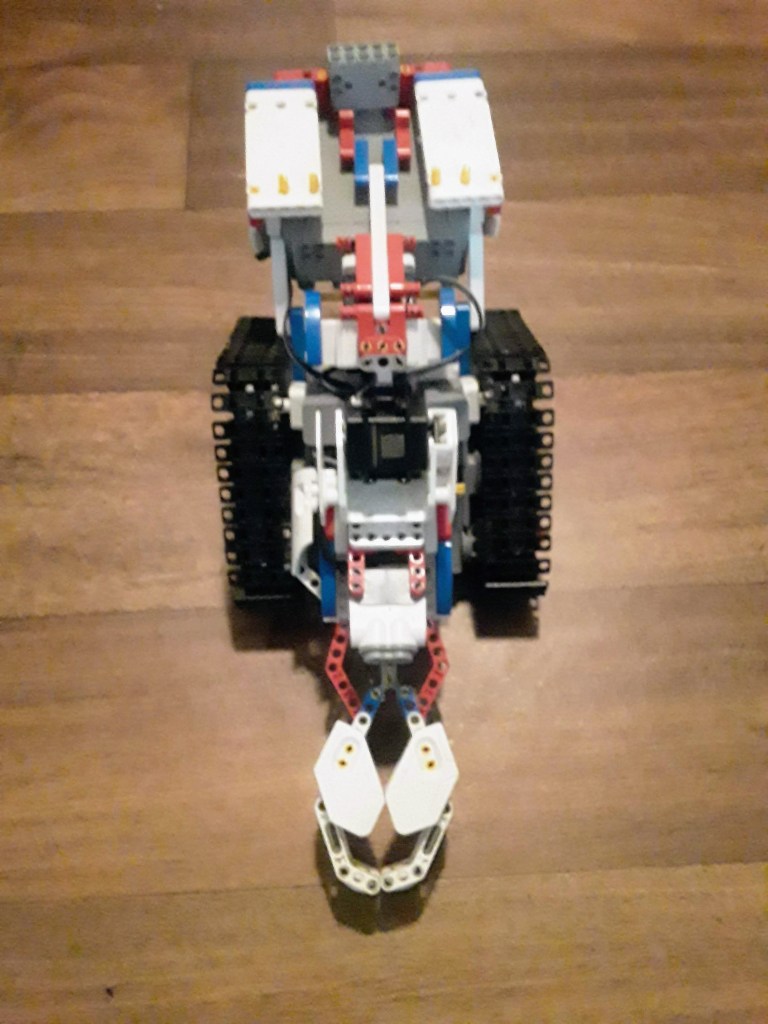
    I have had a strong interest in robotics since I’ve been a kid, and I never outgrew it. However, I never formally studied Robotic engineering, only studied for a measly associates degree in Computer Information Systems. What robots I have made are from buying kits and sets, reading books about robots or watching videos on social media. I also have limited programming ability, but I tried to work around that. So either limited preset instructions, or using a remote control..

    I finished about 8 designs that can be qualified as true robots, in that they can be programmed, and they have sensors. Sometimes it’s only one or two sensors, but that’s enough for most purposes. Other designs are really just robot like machines with interesting engineering or science behind them, but cant be programmed or controlled. Just an on and off switch, or a light activated solar cell.

    Most of these designs are mostly plastic, and on the cheaper side. The most expensive set I did buy was 500$, the LEGO Mindstorms EV1 set. Considering that there’s more deluxe robots with multiple motors and processors with costs that are at least 10,000$, I think robots in the 30$ to 500$ range is a bargain.

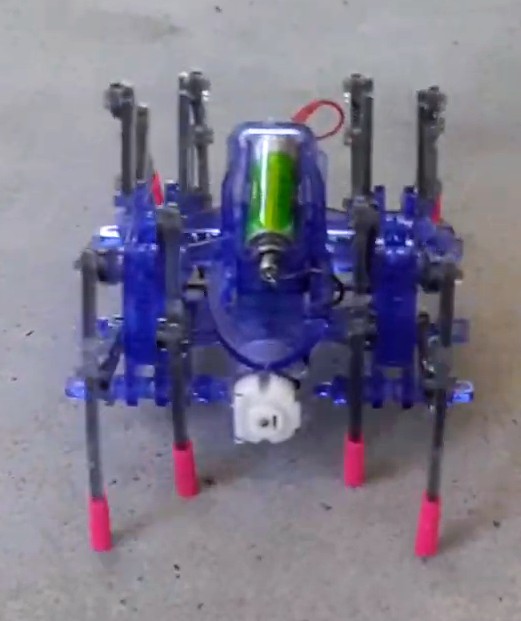
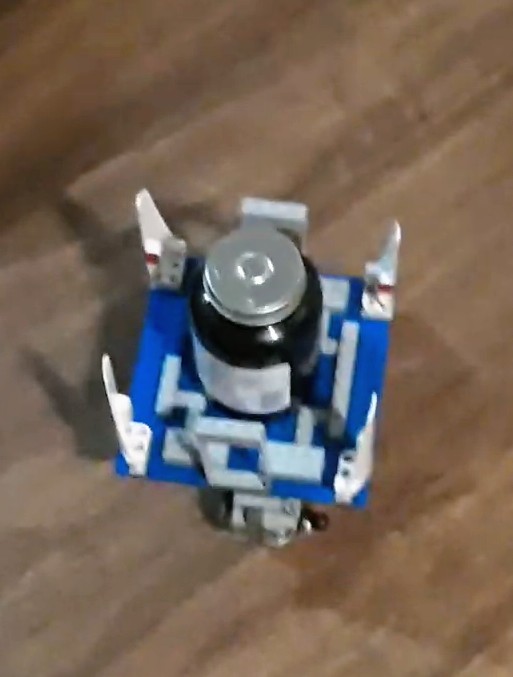
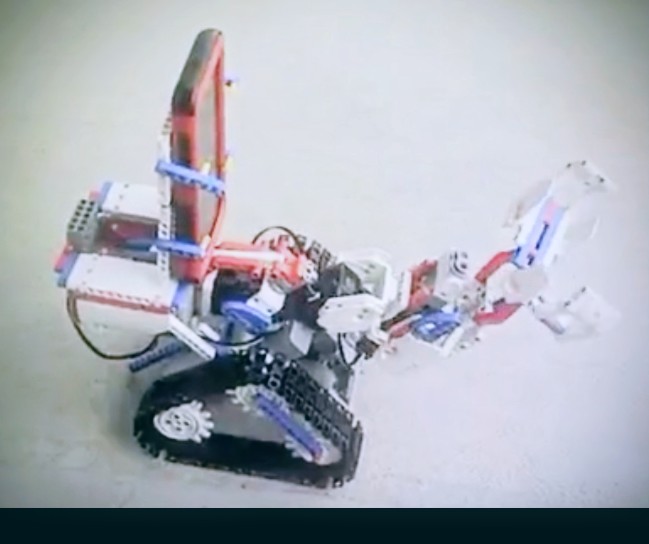
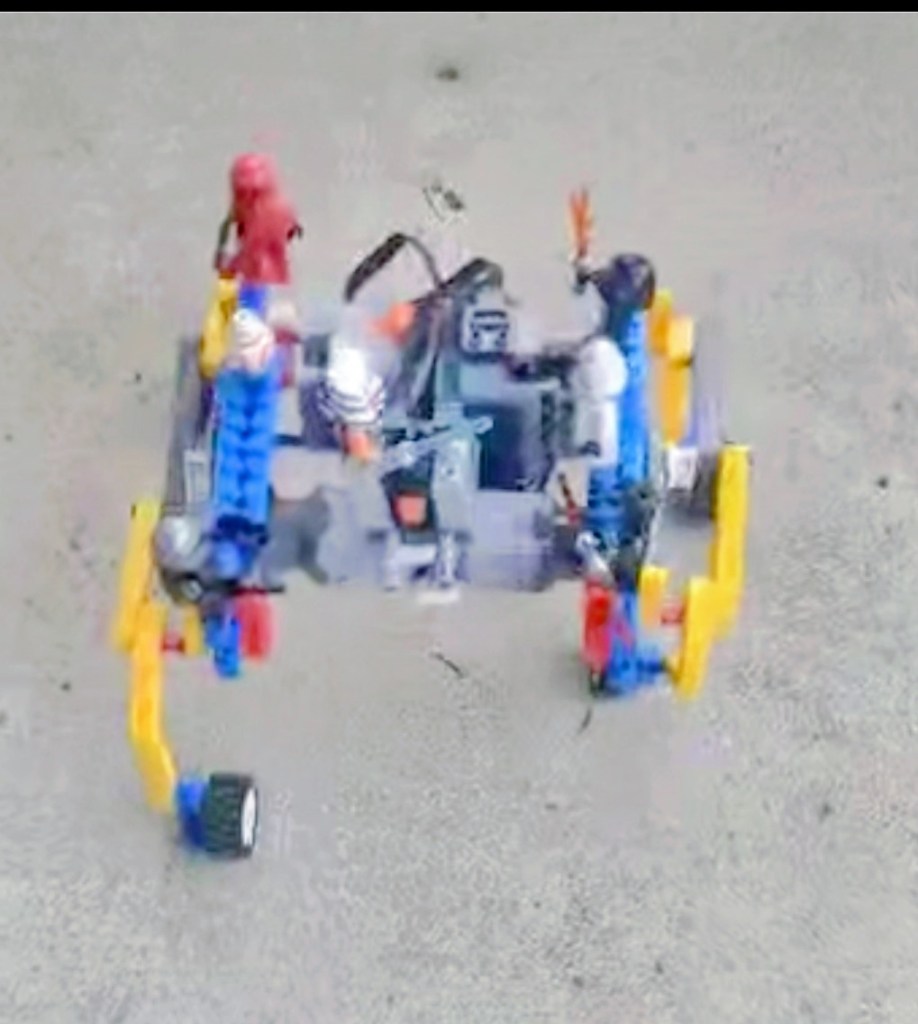
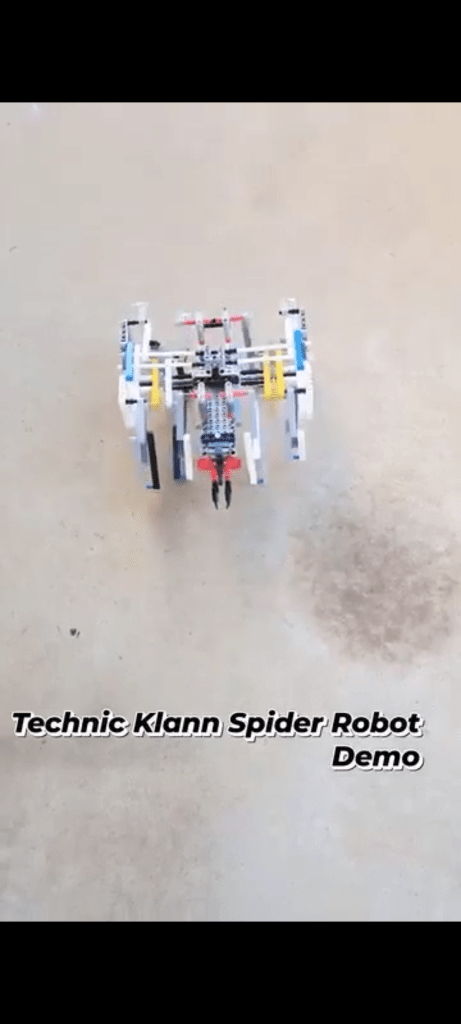
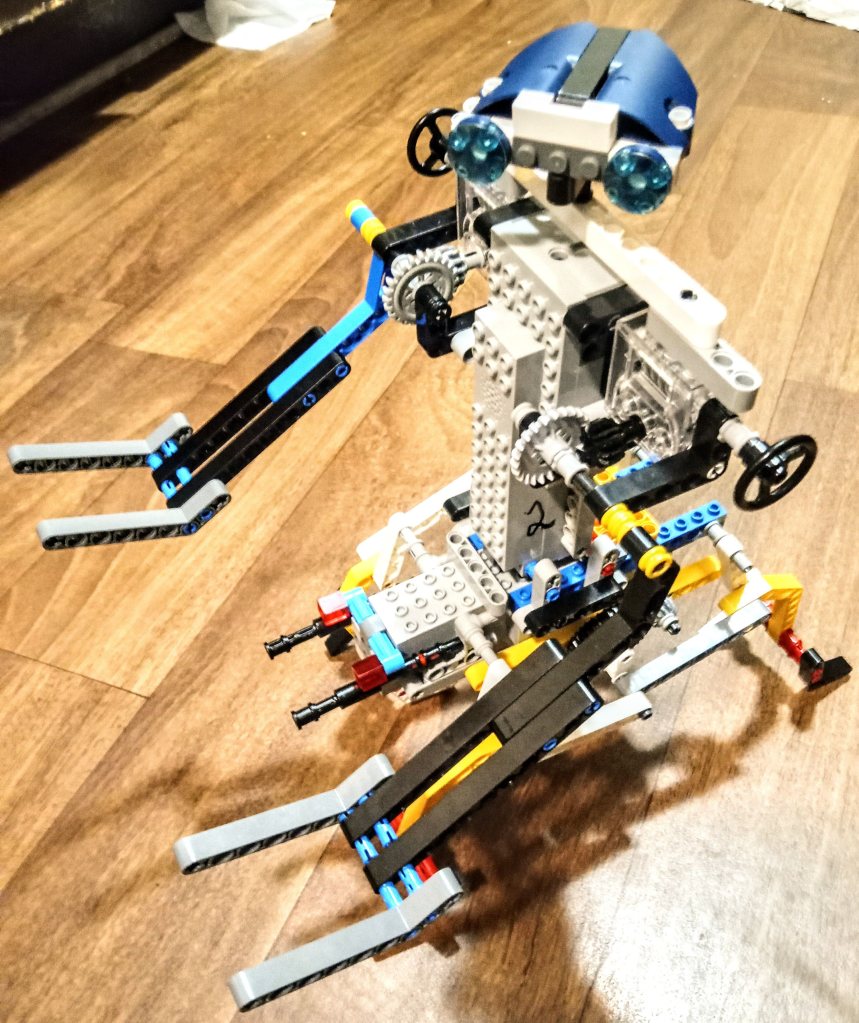
    So here’s photos of my designs. Very limited utility, limited battery life, and not very durable. But all of the robots or machines on this blog post could move, and some can be programmed or controlled. Videos of the design demos can be found on social media apps like Facebook, TikTok, and YouTube.

    This last one is perhaps the best designed one I made, in that it’s has a more simple design, and yet it could move on different types of terrain. A whegged robot that moved 6 actuators on only 2 motors.

    So should I keep up with my hobby, or are these designs not that impressive?

  • To Create, Assist, and Educate

    What is your mission?

    My life changed for the better once I was formally diagnosed with an autistic spectrum disorder. I am odd, shy, cope with depression and anxiety, struggle with formal education, have unusual special interests, and I have various quirks, but there was a reason that wasn’t of my doing. Because of that, I became more of an advocate for autism. There’s pros and cons to being neurodiverse, and I try to focus more on the positives, and give insight about the negatives.

    I tend to be pendatic, but maybe some people’s eyes glaze over when I am. But sometimes I do reach people if I explain things in simple language, or they are curious about a topic. I have some experience as a tutor, and sometimes give instructions or advice.

    I always wanted to be an inventor or innovator, write a book, and live a comfortable middle class lifestyle. I dabble in various hobbies (including this blog). But seeing that there’s a polycrisis in recent years, I think I have to help others survive the 21st century and beyond.

    I went to college to study journalism, technical writing, and an information technology related field, so my idea to create the HETTY blog that combines my various skills, experiences,.and interests in a series of articles. Some of the articles are food service related, since I was a cook for years, and I struggled financially much of my life. Some articles.are science and technology related, since I’m pro science.

    I’m still figuring things out, but in simple terms, I want to create, educate, and assist others as I can. This century is looking very challenging in several ways.

  • Nope, not for me

    What are your thoughts on the concept of living a very long life?

    There’s that famous quote from Woody Allen, which I will paraphrase, “You can live to be 100, if you give up all of the things that make you want to live to be 100.” That aligns with my own philosophy.

    I would argue that longevity is causing more problems than it solves, although there are some exceptions with some individuals. Like there’s some centenarian individuals still working, still in decent health, still active, and have a good mindset. They seem to be uncommon among the elderly though. There’s various ailments associated with advanced age, including dementia and cancer.

    I smoke, drink, eat the less healthy food at times, and don’t exercise as much as I should. And I’m coping with serious existential problems, along with millions of others. I’m already world weary. I’ll probably make it to my 70s or possibly 80s, and I’m fine with that. Any longer, I may become more reckless with my health, like eat Fugu Sushi or dance badly in traffic.

  • The Plastic Waste Problem Could Be Solved (If You Want It)

    The Plastic Waste Problem Could Be Solved (If You Want It)

    I have environmentalist leanings. Not fully, but I make changes when I can, with an awareness that I’m part of the problem too. One of the concerns I have is with plastics. Yes, it’s useful, versatile, and convenient. But discarding it has created a massive environmental problem.

    Recycling plastic waste is more expensive and complex than originally promised, with limited capacity. While some plastic types can be recycled, others can’t. Many plastics are simply burned or end up in landfills or in various parts of the world. It can be bleak to think about, since plastic waste often take decades to decompose, and micro plastics exposure can lead to various health problems over time. Burning plastic contributes to air pollution.

    However, some online articles I read in recent years and days give me hope that plastic waste can be reused and processed. It turns out that plastic waste can be converted into a building material, like bricks, tiling, panels, and other construction materials.

    The first article I read was of a construction startup called Takataka Plastics. Two engineers found a way to convert PET type of plastic into tiles, and later lawn chairs, plant pots, coasters, medical visors, and other useful products.

    The second article I read was last month. where a team of Japanese scientists developed a “supramolecular” plastic that decomposes in seawater in 2 or 3 hours, leaving behind non-toxic by-products. These byproducts are then consumed by bacteria in seawater, leaving no pollution. There’s no microplastic problem with these newly developed plastics.

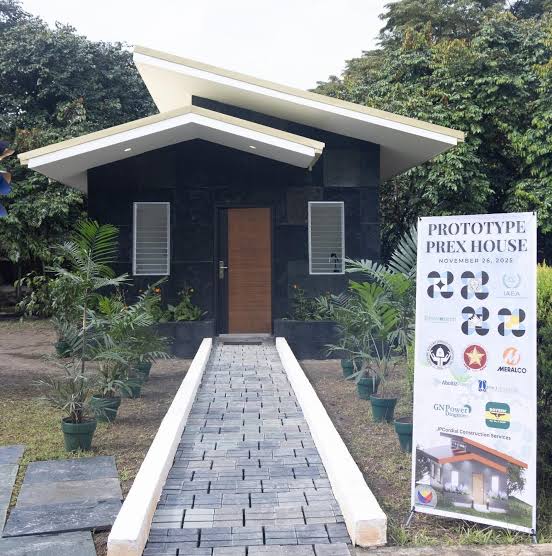
    The 3rd innovation I read of was just last week. Various companies in the Philippines are turning plastic waste into construction materials for homes and other useful structures. There’s various methods developed, but the most promising method is using high energy radiation to strengthen and process plastic to create stronger chemical bonds. This reduces the costs of building materials, reduces plastic waste, and creates new jobs and housing.

    Along with the discovery in Japan that certain types of bacteria in seawater can consume PET plastics in seawater, which may lead to genetic modification of these bacteria and the digestive enzymes they create to speed up the decomposition of plastic pollution in the oceans.I really hope that these innovations are developed further, because they have the potential to solve many problems at once. Reduce plastic pollution, improve environmental and public health, create materials at a lower cost, and create new jobs in lower income communities and countries.

    Plastic Pollution could be solved by science and engineering, if there is a proper funding and enough people in various countries who want to make it so.

  • I aspire to be a creative visionary.

    Tell us one thing you hope people say about you.

    I admire creative and intelligent people, and have for a long time. I read of Leonardo, and then later in life Nikolai Tesla and Steve Jobs. I don’t know if I’m that smart, but I do have some skills.

    My main gift is cooking, since I was paid for that for several years. I can cook several good meals and bake several desserts from memory. I have some writing talent (therefore a blog and online writing), but I also have an interest in advanced technology like robotics, 3D printing, and quantum computing. I have bought robot several kits and sets over the years, and even built some of my own unique designs. I sometimes come up with some good ideas for devices or apps, but realizing them is an ongoing issue.

    I dabble in drawing, cosplay, painting and music, but I admit that work is less than impressive. But I still aspire to make something that will improve life for millions of people. Maybe I’m punching above my weight, but I still think being creative is a worthy goal.

  • Please Donate

    Please Donate

    I have listed the money transfer apps that I used before, but it appears that WordPress/JetPack greyed out my transfer app IDs. Here they are again, hopefully not greyed out on this page:

    CASHAPP-$KyleAnderson1973
    PAYPAL-@kyleanderson124
    VENMO-@Kyle-Anderson-508

    I “made” the HETTY blog website because I originally had the idea of writing a cookbook that focused on affordable meal recipes. I was gonna write it in a funny style, cuz I can be funny at times. Humor is one of my coping mechanisms. (It’s true!)

    However, there’s so many cookbooks out there, and I know how hard it can be to find a publisher who will take a chance on a fledging writer. I know there’s also a lot of competition between websites, but websites have lower overhead. I decided to also expand the scope of helping to relief poverty, cuz eating cheaper foods only helps so much. I write about housing, clothing, shelter, money saving life hacks, and affordable hobbies also.

    I’m relatively better off than some people in this world, because I live off a disability and veterans pension. That may change, because of the world-wide shift in politics and worldview. COVID changed everything, for better or worse. So there’s the possibility that I may have to work again. And based on my skillset, my labor value is more limited than others.

    In my working life, I mostly got paid for working food service and retail, although I did study Journalism, Technical Writing, Basic Human Services, and Computer Information Systems over the years. I’m handicapped by social anxiety, depression, and lack of personal transportation.

    I have a history of donating, volunteering, and helping people out with money over the years, despite my limited means. I would hope that others can be at least as generous and helpful as I have over the years. Donating a dollar or a quarter can make a difference over time.

    I don’t expect to get rich from making content for this blog (Although that sure would be sweet!), but I’m hoping to generate an income so I can help myself and others. I plan on writing about different topics over time, such as about future technology. Fusion technology, for example, promises great benefits to humanity. If that technology can ever be improved, other technology can possibly offshoot from it, like a true “Cornucopia machine” or even teleportation of larger objects.

    Anyways, enough of my spiel. Any donations to my money transfer apps would be appreciated. I hope that others find this information found in this blog website helpful. Thank you.

  • Solar cooking and heating

    Solar cooking and heating


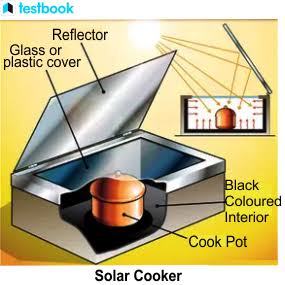
    Creating an efficient, low-cost solar oven and exploring other solar heating methods can be both an eco-friendly and budget-friendly way to harness the sun’s energy. Here’s a simple guide to making your own solar oven along with some alternative solar heating ideas:

    ### How to Make an Efficient Low-Cost Solar Oven

    **Materials Needed:**
    – Cardboard box (pizza box or similar)
    – Aluminum foil
    – Clear plastic wrap or a transparent plastic bag
    – Black construction paper or non-toxic black paint
    – Tape and scissors
    – Newspaper or other insulating material

    **Steps:**
    1. **Prepare the Box:** If using a pizza box, cut a flap on the lid by slicing along three sides, leaving one side attached to act as a hinge.


    2. **Line with Aluminum Foil:** Cover the inner side of the flap with aluminum foil, shiny side out, securing it with tape. This will reflect sunlight into the box.


    3. **Create the Oven Interior:** Line the bottom of the box with black paper or paint it black to absorb heat efficiently.


    4. **Insulate the Oven:** Crumple newspaper and place it around the black base inside the box to insulate and retain heat.


    5. **Seal with Plastic:** Stretch clear plastic wrap tightly over the opening of the box (under the foil flap) to create a greenhouse effect, trapping heat inside.


    6. **Positioning:** Place your solar oven in direct sunlight, angle the foil flap to reflect maximum sunlight into the box, and place your food inside on a small plate.


    7. **Cooking:** Cooking times will vary; simple items like s’mores, nachos, or small vegetables can cook in 30 minutes to a couple of hours depending on sunlight intensity.

    ### Other Solar Heating Methods

    – **Solar Water Heater:** Use black-painted containers or tubes exposed to the sun to heat water. Insulate them properly to retain heat.


    – **Solar Air Heater:** Construct a box with a transparent front and dark interior to warm air, which can then be circulated indoors with a fan.


    – **Solar Thermal Collectors:** More advanced setups use panels to collect and transfer solar heat for home heating or water heating.


    – **Passive Solar Design:** Incorporate architectural features such as south-facing windows, thermal mass (like concrete or stone floors), and proper insulation to naturally heat living spaces.

    Harnessing solar energy for cooking and heating not only reduces reliance on fossil fuels but also saves money and promotes sustainable living. Give these methods a try and enjoy the warmth of the sun in a practical, green way!   ~H

  • The Nomadic Lifestyle Unveiled: History, Types, and Essential Survival Tips

    The Nomadic Lifestyle Unveiled: History, Types, and Essential Survival Tips


    The nomadic lifestyle, characterized by constant movement and a deep connection to nature, has fascinated humanity for centuries. From ancient tribes who roamed vast landscapes in search of food and shelter to modern-day digital nomads embracing freedom and flexibility, this way of life offers a unique blend of adventure, resilience, and simplicity. In this blog post, we will delve into the rich history of nomadism, explore the various types of nomadic lifestyles practiced around the world, and share essential survival tips to help anyone interested in embracing this extraordinary journey. Whether you’re a seasoned traveler or simply curious about a life untethered, join us as we unveil the essence of the nomadic way of living.

    1. Introduction to the Nomadic Lifestyle

    The nomadic lifestyle is a way of life characterized by constant movement from one place to another, rather than settling permanently in a single location. Rooted deeply in human history, nomadism has been practiced by various cultures around the world for thousands of years, often as a means of survival, following seasonal resources, or trading goods. From the Bedouins of the Middle East traversing vast deserts to the Mongolian herders navigating the steppes of Central Asia, nomads have adapted to diverse environments with resilience and ingenuity. Today, while modern conveniences have transformed many aspects of daily living, the allure of nomadism continues to attract individuals seeking freedom, adventure, and a deeper connection to nature. In this blog, we will explore the rich history of nomadic cultures, examine different types of nomadic lifestyles, and share essential survival tips for anyone considering embracing this unique way of life. Whether you’re a curious traveler or someone dreaming of a life untethered, this guide aims to provide valuable insights into the enduring spirit of the nomadic journey.

    2. A Brief History of Nomadism

    Nomadism is one of the oldest ways of human life, dating back thousands of years to prehistoric times. Before the advent of agriculture and permanent settlements, early humans survived by constantly moving in search of food, water, and shelter. This mobile lifestyle allowed them to adapt to changing environments and seasonal shifts, following herds of animals or the growth cycles of wild plants.
    Throughout history, nomadic cultures have thrived across different continents-from the Bedouins navigating the deserts of the Middle East to the Mongolian pastoralists roaming the vast steppes of Central Asia. These groups developed unique social structures, traditions, and survival strategies that were intricately tied to their mobility. Even as civilizations advanced and urban centers grew, nomadic peoples continued to play crucial roles in trade, cultural exchange, and the spread of ideas.
    Understanding the historical roots of nomadism offers valuable insight into how these communities have maintained their way of life despite modern pressures. It also highlights the resilience and adaptability that define the nomadic spirit- qualities that remain essential for anyone embracing a mobile lifestyle today.

    3. Different Types of Nomadic Lifestyles

    Nomadism has taken many forms throughout history and continues to evolve in the modern world. Understanding the different types of nomadic lifestyles can give you insight into how diverse and adaptable this way of living truly is.


    **1. Hunter-Gatherer Nomads:**
    One of the oldest forms of nomadism, hunter-gatherers move frequently in search of food, following animal migrations and seasonal growth of plants. This lifestyle relies heavily on a deep knowledge of the natural environment and sustainable harvesting practices.


    **2. Pastoral Nomads:**
    Pastoral nomads raise livestock such as sheep, goats, camels, or cattle and move their herds between grazing areas according to the seasons. This type of nomadism is still practiced in many parts of Africa, Central Asia, and the Middle East, where communities depend on their animals for food, clothing, and trade.


    **3. Peripatetic Nomads:**
    Unlike pastoralists, peripatetic nomads do not rely primarily on animal herding. Instead, they often engage in trades, crafts, or services, moving from place to place to offer their skills. Examples include traveling merchants, artisans, and entertainers who adapt to various communities while maintaining their mobile lifestyle.


    **4. Digital Nomads:**
    A more recent phenomenon, digital nomads leverage technology to work remotely while traveling the world. They often settle temporarily in different cities or countries, balancing work and exploration without being tied to a single location. This lifestyle combines the freedom of mobility with the benefits of the digital economy.
    Each type of nomadism carries its own unique challenges and advantages, shaped by environment, culture, and technology. Whether rooted in ancient traditions or modern innovation, nomadic lifestyles showcase human resilience and adaptability in the face of changing circumstances.

    4. Cultural Significance of Nomadic Communities

    Nomadic communities have played a vital role in shaping human history and culture across the globe. Far from being merely transient groups, these communities carry rich traditions, languages, and social structures that have been passed down through generations. Their way of life is deeply intertwined with the natural environment, often reflecting a profound respect for the land and its resources. From the Bedouins of the Middle East to the Maasai of East Africa, nomadic groups have contributed unique art forms, music, storytelling, and rituals that offer valuable insights into human resilience and adaptability. Moreover, their cultural practices often emphasize communal living, strong family bonds, and a shared sense of identity that unites members despite constant movement. Understanding the cultural significance of nomadic communities not only broadens our appreciation of human diversity but also highlights the importance of preserving these traditions in the face of modern challenges such as urbanization and climate change.

    5. Modern Nomadism: Digital Nomads and Location Independence

    In today’s interconnected world, the concept of nomadism has evolved far beyond traditional patterns of seasonal migration or pastoral wandering. Modern nomadism is largely defined by the rise of digital nomads- individuals who leverage technology to work remotely while exploring new destinations around the globe. This new breed of nomads embraces location independence, breaking free from the constraints of a fixed office or home base.
    Digital nomads often rely on laptops, smartphones, and reliable internet connections to earn a living in fields such as freelancing, software development, content creation, and online entrepreneurship. This lifestyle offers unparalleled flexibility, allowing individuals to immerse themselves in diverse cultures, experience different environments, and design personalized daily routines. Yet, it also presents unique challenges like finding stable Wi-Fi, managing time zones, and maintaining work-life balance on the road.
    The location-independent lifestyle isn’t limited to just digital work. Many modern nomads combine travel with seasonal jobs, teaching languages, or running small businesses online. Communities of digital nomads have sprung up worldwide, from co-working spaces in Bali and Chiang Mai to nomad-friendly cafes in Lisbon and Medellin, fostering connections and support networks.
    Ultimately, modern nomadism reflects a growing desire to blend work, travel, and personal growth- transforming the age-old nomadic tradition into a dynamic lifestyle that suits the digital age. Whether you’re considering taking the plunge or are already on the move, understanding the dynamics of digital nomadism is key to thriving in this exciting, ever-evolving way of life.

    6. Essential Skills for Thriving as a Nomad

    Thriving as a nomad requires more than just a love for travel- it demands a set of essential skills that enable you to adapt, survive, and flourish in ever-changing environments. First and foremost, adaptability is key. Nomads often face unpredictable situations, from sudden weather changes to unfamiliar cultural norms, so being flexible and open-minded helps you navigate these challenges smoothly. Strong communication skills are also vital, allowing you to connect with locals, negotiate accommodations, or find opportunities for work and collaboration.
    Practical skills such as budgeting and financial management become indispensable when your income and expenses fluctuate regularly. Learning to live minimally and prioritize essentials ensures you make the most of limited resources. Additionally, self-reliance in basic survival skills- like first aid, navigation, and simple repairs- can make a significant difference when you’re far from conventional support systems.
    Technology proficiency is another crucial skill; knowing how to leverage digital tools for navigation, communication, and work can boost efficiency and safety. Lastly, cultivating emotional resilience helps you cope with loneliness, uncertainty, and the constant movement that define the nomadic lifestyle. By mastering these skills, you’ll not only survive but truly thrive on the road, turning your nomadic journey into a fulfilling adventure.

    7. Choosing the Right Gear for a Nomadic Life

    Choosing the right gear is crucial for anyone embracing the nomadic lifestyle. Since mobility and adaptability are at the heart of this way of living, every item you bring along should serve a clear purpose- offering durability, versatility, and convenience. When selecting gear, think lightweight and compact to minimize the burden during constant travel. For example, a reliable, high-quality backpack with multiple compartments can make a world of difference in organizing your belongings efficiently.
    Essentials like multi-purpose clothing, portable cooking equipment, and durable shelter options such as a lightweight tent or hammock are staples. Technology also plays a vital role; investing in portable chargers, solar panels, and devices with long battery life ensures you stay connected and powered up regardless of location. Don’t forget about health and safety gear- first aid kits, water purification systems, and weather-appropriate protection are indispensable.
    Ultimately, your gear should support your lifestyle, allowing you to move freely, adapt quickly, and live comfortably no matter where your nomadic journey takes you. Careful planning and thoughtful selection will help you thrive in this dynamic way of life.

    8. Managing Finances on the Road

    Managing finances on the road is one of the most crucial aspects of maintaining a successful nomadic lifestyle. Without a fixed address or traditional employment structure, keeping track of income, expenses, and savings requires careful planning and adaptability. Start by setting a realistic budget that accounts for variable costs such as accommodation, transportation, food, and unexpected emergencies. Digital nomads often rely on online banking and financial apps that allow easy access to accounts worldwide, helping them monitor spending in real-time and avoid unnecessary fees. Additionally, diversifying income streams- through freelance work, passive income, or remote jobs- can provide a financial safety net during lean periods. It’s also wise to have an emergency fund set aside, as unexpected situations like medical issues or sudden travel changes can arise. Lastly, understanding currency exchange rates and choosing credit or debit cards with low foreign transaction fees can save you money and reduce financial stress. By staying organized and proactive with your finances, you can enjoy the freedom of the road without worrying about monetary setbacks.

    9. Finding Accommodation and Transportation

    One of the biggest challenges- and adventures- of embracing a nomadic lifestyle is figuring out where to stay and how to get around. Unlike traditional living, nomads don’t have a fixed home base, which means accommodation and transportation require flexibility, creativity, and often a bit of planning.
    When it comes to accommodation, nomads have a wide array of options. Many choose to stay in hostels or budget hotels, which provide affordability and opportunities to meet fellow travelers. Others opt for short-term rentals through platforms like Airbnb, which can offer a more home-like experience and access to local neighborhoods. For those who seek deeper immersion or extended stays, house-sitting or pet-sitting gigs can be a fantastic way to cut costs while living in unique locations. Additionally, some nomads embrace the tiny house or van life movement, converting vehicles into mobile homes that enable them to live and sleep wherever they park.
    Transportation also plays a crucial role in the nomadic lifestyle. Depending on your travel style and budget, options range from public transportation- such as buses, trains, and local metros- to renting or purchasing a vehicle. Many nomads rely on a combination of ridesharing apps, car rentals, and even cycling to navigate their surroundings efficiently. If you’re covering long distances, budget airlines and overnight trains can be excellent choices to save time and money. Planning ahead is key, especially in remote areas where transportation options are limited or infrequent.
    Ultimately, the key to mastering accommodation and transportation as a nomad is adaptability. Being open to new experiences, embracing spontaneity, and leveraging technology to find the best deals will ensure that your nomadic journey is both comfortable and enriching. With the right mindset and resources, every new place becomes a welcoming home, and every journey an exciting opportunity.

    10. Health and Safety Considerations for Nomads

    Living a nomadic lifestyle offers unparalleled freedom and adventure, but it also comes with unique health and safety challenges that require careful attention. As a nomad, your well-being depends largely on your ability to adapt and prepare for varied environments, climates, and situations. Prioritizing health means maintaining a balanced diet even while on the move- packing portable, nutritious snacks and learning to find fresh, wholesome food wherever you go. Staying hydrated is crucial, especially in hotter climates or during physically demanding activities.
    Safety should always be at the forefront of your travels. Researching the areas you plan to visit, understanding local customs, and being aware of any health advisories can prevent many common risks. Carrying a well-stocked first aid kit tailored to your specific journey, including medications for common ailments, insect repellents, and wound care supplies, is essential. Additionally, having access to reliable communication tools and emergency contacts can be life-saving in critical moments.
    Mental health is equally important for nomads, who may face periods of isolation or stress. Building a support network, whether through online communities or fellow travelers, and carving out time for rest and self-care helps maintain emotional balance.
    By staying vigilant about your health and safety, you can fully embrace the nomadic lifestyle’ s rewards while minimizing its risks- ensuring that every journey is not only exciting but also secure and sustainable.

    11. Building and Maintaining Relationships While Moving

    One of the greatest challenges of a nomadic lifestyle is building and maintaining meaningful relationships while constantly on the move. Unlike traditional lifestyles where proximity allows for regular face-to-face interactions, nomads must find creative ways to nurture connections with family, friends, and new acquaintances. Technology plays a crucial role here-video calls, social media, and messaging apps help bridge the distance, making it easier to stay involved in loved ones’ lives despite physical separation.
    At the same time, forming new relationships on the road requires openness and adaptability. Whether you’re staying in hostels, joining community events, or attending local meetups, taking the initiative to engage with people fosters a sense of belonging wherever you go. Remember that genuine connections often grow from shared experiences and mutual support, so investing time in building trust pays off in both companionship and practical help during your travels.
    Maintaining relationships also means balancing your nomadic pursuits with intentional effort. Scheduling regular check-ins, sending thoughtful messages, and sharing your journey through photos or stories helps keep your network strong. Ultimately, nurturing these bonds not only enriches your nomadic experience but also provides emotional stability and a support system that can be invaluable on the road.

    12. Challenges Faced by Nomads and How to Overcome Them

    Living a nomadic lifestyle offers unparalleled freedom and adventure, but it also comes with its unique set of challenges. Understanding these hurdles and learning how to overcome them is essential for anyone considering or currently embracing this way of life.
    One of the primary challenges nomads face is the lack of a permanent home base, which can lead to feelings of isolation and loneliness. Constantly moving means building and maintaining relationships can be difficult. To combat this, many nomads turn to digital communities, social media groups, and meetups focused on travel and nomadic living. These platforms provide opportunities to connect, share experiences, and find support from like-minded individuals around the world.
    Another significant challenge is managing finances on the road. Irregular income streams, fluctuating expenses, and the cost of travel can strain budgets. Overcoming this requires careful financial planning, setting up multiple income sources (such as remote work, freelancing, or passive income), and maintaining a detailed budget to stay on track.
    Health and wellbeing also demand extra attention for nomads. Access to healthcare varies widely depending on location, and maintaining a consistent routine can be tough. Prioritizing a balanced diet, regular exercise, and obtaining comprehensive travel insurance can help mitigate health risks. Additionally, keeping copies of medical records and knowing where to find reliable healthcare services in new areas is vital.
    Lastly, navigating legal and logistical issues, such as visas, permits, and local regulations, can be complex. Staying informed about the requirements of each destination, planning ahead, and sometimes working with local experts or legal advisors can streamline this process.
    By acknowledging these challenges and proactively addressing them, nomads can enjoy a more sustainable, fulfilling lifestyle that embraces both the excitement and realities of life on the move.

    13. Environmental Impact of Nomadic Living

    Nomadic living has long been celebrated for its minimalistic and flexible lifestyle, often perceived as being in harmony with nature. However, it’s important to recognize that nomadic communities, like any human society, do have an environmental impact- both positive and negative.
    Traditionally, many nomadic groups have practiced sustainable ways of living, such as rotational grazing and seasonal migration, which help prevent overuse of natural resources and allow ecosystems time to recover. Their deep knowledge of the land often leads to a balanced relationship with their environment, preserving biodiversity and maintaining soil health.
    On the other hand, modern nomadic lifestyles, especially those involving motorized vehicles and increased consumption of goods, can contribute to environmental degradation. Frequent travel can lead to higher carbon emissions, disturbance of wildlife habitats, and increased waste production if not managed responsibly.
    For those embracing the nomadic lifestyle today, it’s essential to prioritize eco-friendly practices. Opting for renewable energy sources like solar power, minimizing waste through recycling and composting, choosing sustainable modes of transportation, and respecting local ecosystems can significantly reduce environmental footprints. By combining traditional wisdom with modern sustainability efforts, nomads can continue to live freely while protecting the planet for future generations.

    14. Inspirational Stories from Modern Nomads

    The nomadic lifestyle, once a necessity for survival, has evolved into a conscious choice embraced by many around the world today. Modern nomads come from all walks of life, united by their passion for exploration, freedom, and connection with diverse cultures. Their stories offer a fascinating glimpse into the challenges and rewards of life on the move.
    Take Sarah, for example, a digital marketer who swapped her corporate office for a life traveling across Southeast Asia with just a backpack and a laptop. Her journey wasn’t without hurdles- navigating visa regulations, finding reliable Wi-Fi, and maintaining work-life balance- but her stories reveal how adaptability and determination turn obstacles into opportunities. Sarah’s experience highlights the empowering aspect of the nomadic lifestyle: the ability to design your own schedule and immerse yourself in new environments every day.
    Then there’s Miguel and Ana, a couple who sold their belongings to live full-time in their converted van, exploring the vast landscapes of North America. Their story is a testament to minimalism and sustainability, showing how downsizing possessions can lead to a richer, more intentional life. Through their blog and social media, they inspire others to break free from material constraints and embrace the beauty of simplicity on the road.
    These narratives, among countless others, showcase the diverse paths modern nomads take- whether fueled by career flexibility, environmental consciousness, or the sheer desire for adventure. They remind us that while the nomadic lifestyle requires resilience and planning, it also offers unparalleled personal growth, deep connections, and unforgettable experiences that stay with you long after the journey ends.

    15. Conclusion: Is the Nomadic Lifestyle Right for You?

    Embracing the nomadic lifestyle is a profound decision that goes beyond simply changing your address frequently- it’s about adopting a mindset of freedom, adaptability, and exploration. As we’ve explored throughout this blog, nomadism has deep historical roots, diverse modern-day expressions, and requires a unique set of skills to thrive. Whether you’re drawn to digital nomadism, van life, or traditional pastoral nomadism, it’s essential to weigh the benefits against the challenges. Consider your personal goals, career flexibility, social needs, and comfort with uncertainty. The nomadic lifestyle offers unparalleled opportunities for growth, cultural immersion, and self-discovery, but it also demands resilience, careful planning, and a willingness to embrace the unknown. Ultimately, if you value freedom, adventure, and continuous learning, the nomadic way of life could be a perfect fit. However, if stability and routine are your priorities, you might find a more traditional lifestyle suits you better. Take the time to reflect, plan, and perhaps start with small steps before fully committing- because the journey to a nomadic life is as rewarding as the destination itself.


    Embracing the nomadic lifestyle offers a unique blend of freedom, adventure, and connection to diverse cultures and landscapes. As we’ve explored the rich history, various types of nomadism, and essential survival tips, it’s clear that this way of life requires adaptability, resourcefulness, and a deep respect for the environment. Whether you’re inspired by the traditions of ancient nomads or drawn to modern-day digital nomadism, understanding these fundamentals can help you embark on your own journey with confidence and purpose. Remember, the nomadic path is as much about personal growth as it is about exploration- so prepare well, stay curious, and let the world be your home. -H

  • List of Wearable and Portable Shelters

    List of Wearable and Portable Shelters


    – **Bivy Sack:** A lightweight, waterproof, and breathable cover that slips over a sleeping bag, providing minimal shelter from wind and rain while being compact and easy to carry.


    – **Wearable Tent Suit:** An integrated tent system worn as a garment, allowing the user to quickly deploy a personal shelter without carrying bulky gear.


    – **Pop-up Shelter Poncho:** A poncho that unfolds or inflates into a small shelter or tent, combining clothing and shelter functions.


    – **Inflatable Survival Suit:** A suit with built-in inflatable chambers that expand into a protective shelter against harsh weather conditions.


    – **Modular Shelter Backpack:** A backpack that transforms into a tent or shelter, enabling quick setup and portability.

    – **Wearable Sleeping Bags:** Sleeping bags designed with arm and leg openings, allowing the user to wear them for warmth and mobility

    .
    – **Inflatable Wearable Pods:** Compact suits that can inflate to form a protective shell around the wearer, offering insulation and shelter.


    – **Backpack Tents:** Backpacks that unfold into small, personal tents for quick setup and portability.


    – **Modular Exosuit Shelters:** Advanced suits equipped with materials that can expand or harden, creating a temporary protective shell.


    – **Earth Suit (Conceptual Design):** A multifunctional wearable shelter designed to provide protection, comfort, and environmental adaptability.


    **Earth Suit Design and Capabilities:**

    *Basic Capabilities:*

    – **Lightweight and Durable Fabric:** Made from advanced, breathable, waterproof materials that shield the wearer from rain, wind, and temperature extremes.
    – **Integrated Shelter Framework:** A foldable, lightweight frame incorporated into the suit’s design that can be extended to create a personal shelter or canopy.
    – **Thermal Regulation:** Built-in insulation layers and ventilation systems to maintain a comfortable temperature in varying climates.
    – **Compact and Wearable:** Functions as everyday clothing but can transform into a shelter without additional equipment.

    **Intermediate Capabilities:**

    – **Integrated Shelter Mode:** The suit can expand or unfold to form a small tent-like shelter around the wearer, providing more space and protection.
    – **Built-in Ventilation System:** Adjustable vents prevent overheating and condensation inside the shelter mode.
    – **Solar-Powered Heating Elements:** Embedded lightweight solar panels power heating components for added warmth.
    – **Self-Cleaning Fabric:** Uses nanotechnology or special coatings to repel dirt, water, and microbes.

    *Advanced Capabilities:*

    – **Self-Deploying Mechanism:** Sensors detect adverse weather or environmental threats and activate an automatic transformation from suit to shelter.
    – **Energy Harvesting:** Embedded solar panels and kinetic energy converters power integrated devices like lighting, communication, or climate control.
    – **Environmental Adaptability:** Smart materials adapt color and insulation properties based on external conditions for camouflage or heat retention.
    – **Life Support Features:** Incorporates filtration systems for air and water, and emergency supplies stored within the suit for survival situations.
    – **Connectivity and Monitoring:** Equipped with GPS, health sensors, and communication tools to stay connected and safe in remote environments.

    The Earth Suit merges the convenience of wearable gear with the protection of portable shelter, designed to support users in diverse outdoor and emergency scenarios.

  • Earth Suits, Wearable and Portable Shelters

    Earth Suits, Wearable and Portable Shelters

    From Earth Suits to Next-Gen Portable Shelters: The Evolution and Future of Wearable Habitats

    As the boundaries between technology, architecture, and fashion continue to blur, the concept of wearable habitats is rapidly transforming from science fiction into reality. From the early innovations of Earth suits designed to protect humans in extreme environments to the cutting-edge development of next-generation portable shelters, wearable habitats are redefining how we think about personal space, mobility, and survival. In this blog post, we’ll explore the fascinating evolution of these innovative structures, uncover their practical applications across various fields, and envision what the future holds for this groundbreaking fusion of wearable technology and habitat design. Whether you’re intrigued by futuristic living solutions or the latest advances in portable shelter technology, join us as we journey through the past, present, and future of wearable habitats.

    1. Introduction: The Concept of Wearable Habitats

    Imagine a future where your home isn’t confined to a single location but moves with you- compact, lightweight, and integrated seamlessly into your daily life. This is the vision behind wearable habitats: portable living spaces designed to provide shelter, comfort, and protection, all while being carried or worn by the user. The concept challenges traditional ideas of housing by combining mobility with functionality, offering solutions for adventurers, emergency responders, and even urban dwellers seeking flexibility. From the earliest Earth suits that provided basic protection against harsh environments to today’s cutting-edge designs incorporating advanced materials and smart technology, wearable habitats represent a fascinating evolution in how we think about living spaces. In this blog, we’ll explore the origins, advancements, and promising future of these innovative shelters that could redefine the very notion of home.

    2. Early Innovations: Understanding Earth Suits

    Long before the concept of portable, wearable habitats captured the imagination of designers and futurists, the idea of Earth Suits emerged as one of the earliest attempts to merge human mobility with environmental protection. Earth Suits were essentially compact, self-contained living environments designed to provide shelter and basic life-support functions while allowing the wearer to remain mobile in harsh or unpredictable conditions.
    These early innovations were driven by a need to survive and thrive in environments ranging from extreme weather to contaminated or hazardous landscapes. The suits combined materials that offered insulation, durability, and breathability, often incorporating rudimentary air filtration systems to shield users from pollutants or allergens. While limited by the technology of their time, Earth Suits laid the groundwork for more sophisticated designs by demonstrating the feasibility of integrating shelter and wearability.
    Importantly, these early suits emphasized adaptability. They were conceived not just as protective garments, but as miniature habitats that could offer warmth, hydration, and even waste management on the go. Though bulky by today’s standards, Earth Suits represented a visionary step toward rethinking personal space and mobility- concepts that continue to inspire the evolution of next-generation wearable shelters. Understanding these foundational innovations provides valuable insight into how designers have continually pushed the boundaries of merging human comfort with environmental resilience.

    3. Materials and Technology Behind Earth Suits

    The development of Earth Suits represents a fascinating intersection of advanced materials science and cutting-edge technology, creating wearable habitats that are both functional and futuristic. At the heart of these suits are lightweight, durable fabrics engineered to withstand a variety of environmental conditions- from extreme temperatures to abrasive terrains. Innovations such as graphene-infused textiles provide exceptional strength while maintaining flexibility, allowing wearers to move freely without compromising protection.
    In addition to the robust outer layers, Earth Suits incorporate smart materials that adapt to the wearer’s body and surroundings. Phase-change materials regulate temperature by absorbing, storing, and releasing heat as needed, ensuring comfort in diverse climates. Embedded sensors monitor vital signs and environmental data, feeding information to integrated control systems that adjust ventilation, hydration levels, and even deploy emergency shelters if necessary.
    Advanced manufacturing techniques like 3D knitting and nanocoating not only enhance the durability and utility of these suits but also reduce their weight, making them truly wearable habitats. Together, these materials and technologies form the backbone of Earth Suits, enabling explorers, adventurers, and responders to carry portable, self-sustaining shelters seamlessly integrated into their everyday gear.

    4. Challenges Faced by Initial Wearable Habitats

    The concept of wearable habitats has long fascinated inventors and visionaries, but the earliest attempts faced a multitude of challenges that hindered their practicality and widespread adoption. One of the primary obstacles was the balance between mobility and comfort. Early wearable habitats, often bulky and heavy, restricted the wearer’s movement and quickly became uncomfortable during extended use. Materials technology at the time limited designers to rigid or cumbersome fabrics that lacked flexibility, breathability, and durability.
    Another significant challenge was the integration of essential life-support systems. Providing adequate ventilation, temperature regulation, and protection from environmental hazards within a compact, wearable form proved to be a complex engineering puzzle. Early prototypes struggled to maintain a stable internal climate, often resulting in overheating or insufficient insulation, which compromised the wearer’s safety and comfort.
    Energy supply and autonomy also presented major hurdles. Without efficient, lightweight power sources, these habitats relied on tethered connections or bulky batteries, severely limiting their range and usability. Additionally, the lack of modularity and adaptability meant that these early designs could not easily accommodate different environments or user needs, reducing their versatility.
    Finally, cost and accessibility were formidable barriers. The specialized materials and intricate engineering required for wearable habitats made them prohibitively expensive, confining their use primarily to experimental or niche markets rather than mass adoption.
    Despite these challenges, the lessons learned from initial wearable habitats laid critical groundwork, inspiring innovations in materials science, energy efficiency, and design that continue to shape the development of next-generation portable shelters.

    5. Transition to Portable Shelters: Key Developments

    As the concept of wearable habitats evolved, a significant shift occurred toward the development of portable shelters- compact, lightweight, and adaptable living spaces designed for mobility and convenience. This transition was driven by the growing need for flexible housing solutions that could cater to a variety of environments and lifestyles, from outdoor enthusiasts and disaster relief efforts to urban dwellers seeking minimalist living options.


    Key developments in this phase include the integration of innovative materials such as ultra-lightweight fabrics, weather-resistant coatings, and foldable structural components that enable shelters to be easily transported and quickly deployed. Advances in design have focused on maximizing functionality within minimal space, incorporating features like modular interiors, expandable compartments, and smart climate control systems to enhance comfort without sacrificing portability.
    Furthermore, the rise of sustainable technologies has influenced portable shelter designs, emphasizing eco-friendly materials and energy-efficient systems like solar panels and rainwater collection. These innovations not only reduce environmental impact but also increase the self-sufficiency of wearable shelters, making them viable long-term living solutions.
    Together, these key developments mark a pivotal moment in the evolution from traditional Earth suits to next-generation portable shelters- offering users unprecedented freedom, adaptability, and resilience in how and where they live.

    6. Modern Next-Gen Wearable Shelter Designs

    As the demand for mobility and adaptability continues to grow, modern next-gen wearable shelter designs are pushing the boundaries of what personal habitats can achieve. These innovative shelters are lightweight, compact, and engineered with advanced materials that provide durability, weather resistance, and comfort- all while being easy to carry and set up in a matter of minutes. Unlike traditional bulky tents or rigid structures, these wearable habitats often incorporate flexible fabrics, smart textiles, and modular components that conform seamlessly to the wearer’s body or backpack, offering unprecedented freedom of movement.
    Many designs now integrate cutting-edge technology such as solar-powered ventilation systems, self-healing materials, and climate-adaptive insulation to ensure comfort in diverse environments. Some models even feature expandable compartments and multi-functional elements, allowing users to customize their shelter depending on the setting- from urban adventures to remote wilderness expeditions. This evolution reflects a growing trend toward sustainability, portability, and user-centric design, making next-gen wearable shelters ideal for hikers, festival-goers, emergency responders, and anyone seeking a versatile refuge on the go.
    As these designs continue to evolve, they promise to redefine our relationship with personal space and shelter, blending functionality with futuristic innovation to meet the needs of an increasingly mobile world.

    7. Integration of Smart Technology in Wearable Habitats

    The integration of smart technology in wearable habitats marks a groundbreaking shift in how we perceive and interact with portable living spaces. No longer are these shelters just physical enclosures; they are becoming intelligent environments that adapt to the wearer’s needs in real-time. Embedded sensors monitor vital signs, environmental conditions, and even structural integrity, providing seamless feedback and ensuring optimal comfort and safety. Imagine a habitat that can regulate temperature based on your body heat, adjust ventilation in response to humidity levels, or alert you to nearby hazards through connected apps. Advanced materials equipped with flexible electronics enable these shelters to remain lightweight and durable while housing complex circuitry. Moreover, connectivity features allow wearable habitats to sync with other devices, enabling features like GPS tracking, energy management, and remote diagnostics. This fusion of technology not only enhances functionality but also opens up new possibilities for outdoor enthusiasts, disaster relief workers, and future urban dwellers seeking mobility without sacrificing comfort or security. As smart technology continues to evolve, wearable habitats are poised to become truly responsive living systems, blending the boundaries between shelter, clothing, and digital innovation.

    8. Applications in Extreme Environments and Space Exploration

    Wearable habitats have emerged as revolutionary solutions for surviving and thriving in some of the most extreme environments on Earth- and beyond. In hostile settings like deserts, polar regions, and deep-sea expeditions, these portable, self-contained shelters provide essential protection against harsh weather, temperature fluctuations, and limited resources. Their lightweight, compact designs allow explorers and scientists to carry safe refuge wherever their missions take them, without the burden of traditional bulky tents or structures.
    When it comes to space exploration, wearable habitats represent a game-changing step forward. As humanity prepares for long-duration missions to the Moon, Mars, and potentially beyond, the need for flexible, reliable living quarters is paramount. These habitats can offer astronauts immediate shelter from radiation, micrometeorites, and extreme temperature swings while maintaining mobility and ease of use. Innovations such as inflatable or self-assembling materials, integrated life-support systems, and adaptability to different planetary terrains are pushing the boundaries of what wearable habitats can achieve.
    Moreover, wearable habitats open new possibilities for emergency response in disaster zones on Earth, where rapid deployment and mobility can save lives. As technology continues to advance, these next-generation shelters will not only enhance survival capabilities but also improve comfort and functionality, making extreme environments more accessible for exploration, research, and habitation. The convergence of materials science, robotics, and environmental engineering promises a future where wearable habitats are indispensable tools for conquering the final frontiers- both terrestrial and cosmic.

    9. Sustainability and Eco-Friendly Materials in Wearable Habitats

    As the demand for portable, adaptable living spaces continues to grow, sustainability has become a central focus in the development of wearable habitats. Designers and engineers are increasingly prioritizing eco-friendly materials and sustainable production methods to minimize environmental impact while maximizing functionality. Modern wearable habitats are being crafted from biodegradable fabrics, recycled plastics, and natural fibers that not only reduce waste but also enhance breathability and comfort. Innovations such as solar-powered textiles and self-cleaning surfaces are also emerging, allowing these habitats to be more energy-efficient and low-maintenance. By integrating sustainability into their core design principles, creators of wearable habitats are not only addressing the urgent need for greener solutions but are also inspiring a new generation of eco-conscious consumers who value both innovation and responsibility. This commitment to sustainability ensures that the future of wearable habitats aligns with the broader global movement toward environmental stewardship and circular economies.

    10. User Experience: Comfort, Mobility, and Functionality

    When it comes to wearable habitats, user experience is paramount. After all, these innovative shelters are designed to be worn and carried, which means they must seamlessly blend comfort, mobility, and functionality to truly meet the needs of their users. Comfort goes beyond just soft materials; it involves ergonomic design that supports the body, regulates temperature, and minimizes fatigue during extended wear. Mobility is equally critical- a wearable habitat should enable natural movement and easy transitions between environments without weighing the user down or restricting their activities. Finally, functionality ensures that every element serves a purpose, from integrated storage and quick-deploy mechanisms to weather resistance and adaptability to diverse terrains. The most successful next-generation portable shelters harmonize these factors, creating wearable environments that feel less like cumbersome gear and more like a natural extension of the wearer’s lifestyle, whether they are explorers, emergency responders, or urban dwellers seeking new ways to connect with their surroundings.

    11. Case Studies: Successful Wearable Habitat Projects

    Wearable habitats have come a long way from conceptual designs to practical, innovative solutions that merge fashion, function, and shelter. In this section, we explore several standout projects that showcase the potential and versatility of wearable habitats, illustrating how designers and engineers have tackled challenges related to portability, comfort, and sustainability.
    One notable example is the “Earth Suit” project, which reimagined personal protective gear as an all-in-one habitat. Designed to provide not only shelter but also climate control and basic survival functions, the Earth Suit combined lightweight materials with modular components to adapt to different environments. Its success lies in its ability to offer immediate refuge while remaining highly portable- perfect for outdoor enthusiasts, disaster relief workers, and urban explorers alike.
    Another pioneering initiative is the “Nomad Capsule”, a compact wearable shelter designed for temporary urban dwellers and festival-goers. This project emphasized rapid deployment and compact storage, using inflatable structures and breathable fabrics that allowed users to quickly transform their wearable gear into a comfortable sleeping pod. The Nomad Capsule’s integration of modern materials and ergonomic design made it a favorite among users seeking convenience without compromising on comfort.
    Looking to the future, the “BioShell” project introduces sustainable, biodegradable materials combined with smart technology to create habitats that respond to environmental conditions in real-time. Through embedded sensors and adaptive fabric technology, BioShell adjusts insulation, ventilation, and even structural rigidity, offering a truly personalized wearable shelter experience. Early tests have demonstrated its potential for applications ranging from extreme outdoor adventures to emergency response scenarios.
    These case studies highlight how wearable habitats continue to evolve, blending cutting-edge technology with user-centered design. They not only offer practical solutions for shelter and mobility but also inspire new ways of thinking about our relationship with space, environment, and personal freedom. As innovation accelerates, the future of wearable habitats promises even more exciting breakthroughs- bringing us closer to a world where shelter moves seamlessly with us, wherever we go.

    12. The Role of Wearable Habitats in Disaster Relief and Emergency Response

    In times of disaster and emergency, the need for immediate shelter is critical- often a matter of life and death. Wearable habitats are emerging as revolutionary solutions in these scenarios, offering rapid-deployment, portable protection that can be carried by individuals or rescue teams on the move. Unlike traditional tents or temporary shelters, which require time, space, and sometimes multiple people to set up, wearable habitats are designed for quick assembly, lightweight transport, and adaptability to harsh environments.
    These next-generation shelters provide more than just physical protection; they can include integrated features such as climate control, water filtration, and communication devices, ensuring that survivors and responders remain safe, connected, and functional even in the most challenging conditions. Their compact design allows disaster victims to carry their shelter with them, providing continuous refuge during evacuations or while seeking aid.
    Moreover, wearable habitats can dramatically improve the efficiency of emergency response efforts by reducing the logistical burden of transporting bulky equipment and enabling first responders to operate with greater mobility. As technology advances, incorporating durable, weather-resistant materials and smart systems, wearable habitats are poised to become indispensable tools in disaster relief, offering not just a shelter but a lifeline when it is needed most.

    13. Future Trends: What’s Next for Wearable Habitats?

    As wearable habitats continue to evolve, the future holds exciting possibilities that blend advanced technology, sustainability, and human-centric design. One of the most promising trends is the integration of smart materials that adapt to environmental conditions in real-time- imagine fabrics that regulate temperature, filter air, or even harvest solar energy to power embedded devices. This shift toward responsive and self-sustaining habitats will not only enhance comfort but also reduce reliance on external resources, making wearable shelters truly autonomous.
    Another key development lies in modular and customizable designs. Future wearable habitats may allow users to easily reconfigure or expand their living space based on their immediate needs, whether for work, rest, or social interaction. Lightweight, durable, and compact materials will ensure these shelters remain portable without compromising on functionality or protection.
    Moreover, advances in biotechnology and 3D printing could enable personalized, eco-friendly production methods, tailoring habitats to individual physiological and psychological requirements. Integration with augmented reality (AR) and Internet of Things (IoT) technologies will transform these habitats into connected living environments, offering seamless communication, health monitoring, and immersive experiences.
    Ultimately, the future of wearable habitats points toward a harmonious blend of innovation and sustainability, empowering individuals to live flexibly and comfortably in diverse environments- from urban jungles to remote wilderness- while minimizing their ecological footprint. As we look ahead, the boundaries between clothing, shelter, and technology will continue to blur, reshaping how we define home and mobility in the years to come.

    14. Potential Impact on Urban Living and Outdoor Adventures

    The emergence of wearable habitats is poised to revolutionize both urban living and outdoor adventures, blending convenience, sustainability, and innovative design into everyday experiences. Imagine city dwellers who can seamlessly transition from busy streets to personal, portable sanctuaries that provide shelter, comfort, and privacy- all within a compact, wearable form. These next-gen habitats could alleviate the challenges of urban overcrowding by offering flexible living spaces that adapt to shifting needs, reducing reliance on traditional housing infrastructure.
    For outdoor enthusiasts, wearable habitats open up unprecedented possibilities for exploration and connection with nature. Lightweight, durable, and easy to deploy, these shelters transform camping and trekking by minimizing gear bulk while maximizing protection against the elements. Whether navigating remote trails or attending festivals and events, adventurers can enjoy enhanced mobility without sacrificing comfort.
    Moreover, the integration of smart technologies and sustainable materials within wearable habitats promises to promote eco-friendly living and reduce environmental footprints. By merging functionality with futuristic design, these portable shelters may redefine how we approach personal space- making adaptable, on-the-go living not just a novelty, but a practical reality for diverse lifestyles in the years to come.

    15. Conclusion: The Evolution Journey and Vision for Tomorrow

    The journey from rudimentary earth suits to today’s next-generation portable shelters illustrates humanity’s remarkable ingenuity in adapting to diverse environments. Early wearable habitats were simple yet groundbreaking solutions, designed to provide basic protection and mobility in harsh conditions. Over time, advancements in materials science, engineering, and design have transformed these concepts into sophisticated, lightweight, and highly functional shelters that blend comfort, sustainability, and adaptability.
    Looking ahead, the future of wearable habitats is poised to redefine how we think about personal space and mobility. Emerging technologies such as smart fabrics, integrated energy systems, and modular designs promise to create habitats that are not only portable but responsive- adapting in real-time to environmental changes and user needs. These innovations hold incredible potential for applications ranging from disaster relief and military operations to space exploration and everyday urban living.
    As we continue to push the boundaries of what wearable habitats can achieve, the vision is clear: creating seamless, sustainable living solutions that empower individuals to thrive anywhere on Earth- and beyond. The evolution of these habitats is more than a technological journey; it’s a testament to human resilience, creativity, and our enduring desire to explore new frontiers in comfort and shelter.