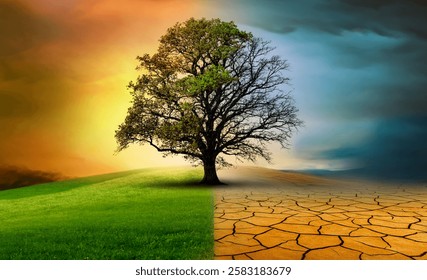
Surviving climate change requires thoughtful preparation across multiple aspects of daily life. Here are practical ways to adapt and thrive in the face of a changing climate:
**Food:**
– Grow your own food using climate-resilient crops that tolerate drought, heat, or flooding.
– Practice permaculture and companion planting to improve soil health and reduce water usage.
– Preserve food through canning, drying, and fermenting to build a stable food supply.
– Support local farmers and sustainable agriculture to reduce carbon footprint and ensure fresh produce availability.
– Diversify your diet to include nutrient-dense and drought-resistant foods.
**Housing:**
– Build or retrofit homes with climate-resilient materials that withstand extreme weather.
– Incorporate passive cooling and heating designs to reduce energy consumption.
– Elevate homes in flood-prone areas to prevent water damage.
– Use green roofs and walls to improve insulation and reduce urban heat island effects.
– Use passive solar design to reduce heating and cooling needs.
– Incorporate rainwater harvesting systems for water conservation.
**Energy:**
– Transition to renewable energy sources like solar, wind, or geothermal.
– Increase energy efficiency with LED lighting, smart thermostats, and energy-efficient appliances.
– Explore off-grid energy solutions to maintain power during outages.
– Advocate for community-wide clean energy initiatives.
– Invest in battery storage or microgrids to enhance energy resilience during outages.
– Reduce overall energy consumption through mindful habits and lifestyle changes.
**Water:**
– Collect and store rainwater for irrigation and non-potable uses.
– Implement water-saving fixtures and appliances to minimize waste.
-Install low-flow fixtures and practice water-saving habits.
– Use greywater systems to recycle household water.
– Protect and restore natural water sources such as wetlands and watersheds.
**Clothing:**
– Choose breathable, moisture-wicking fabrics suited for hotter climates.
– Opt for durable, versatile clothing that can layer for varying weather.
– Support sustainable and ethical clothing brands to reduce environmental impact.
– Maintain and repair clothing to extend lifespan and reduce waste.
**Other Methods:**
– Build community networks to share resources and knowledge.
– Stay informed about local climate risks and emergency preparedness plans.
– Advocate for policies that address climate change mitigation and adaptation.
– Develop skills such as first aid, gardening, and basic repairs to increase self-reliance.
By integrating these strategies, individuals and communities can better navigate the challenges posed by climate change and build a more sustainable, resilient future.

 HETTY
HETTY 
You must be logged in to post a comment.