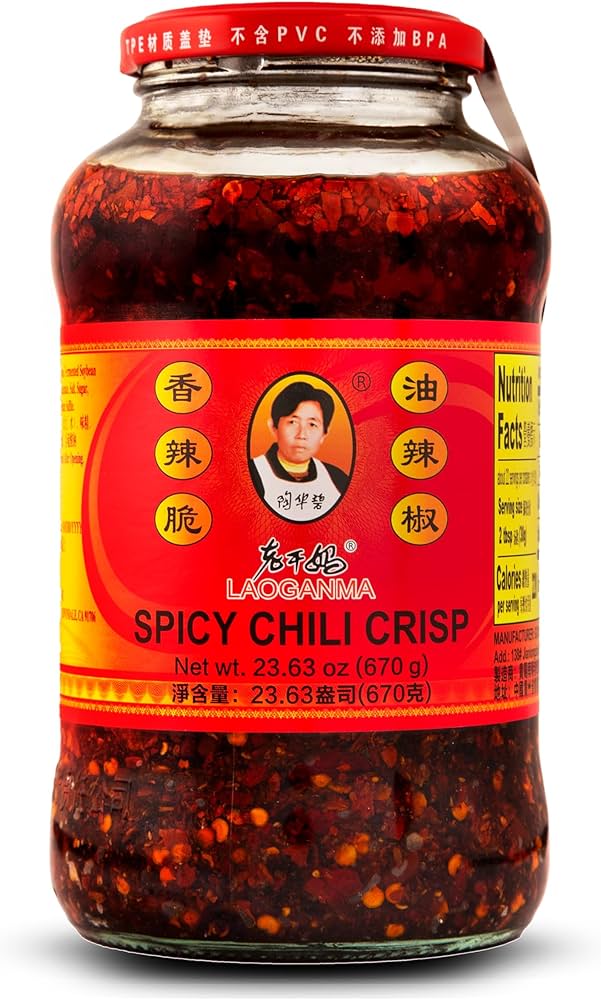
Tag: biography

  • The Curse of being Atypical.

    What bores you?

    So, what bores me? It’s more like what doesn’t bore me. I have been more selective of how I spend my free time.

    Formal education bores me. I went to school for several years, including a technical college and university. Going to lectures, listening to 2 or 3 professors or teaching assistants per day lecture for hours at a time, sometimes reading about subjects that can be tedious. It often took an innovative or charismatic teacher for me to pay attention in class, or I took a course that I have familiarity and interest in.

    Sports bore me. While some people find athletic teams and individuals fascinating, I often don’t. It’s more like I count how many sport injuries can happen during a game or match.

    Many television shows and oftentimes movies can bore me. Television comedies seem to be my go-to, but it has to be very funny for me to keep sustained interest.

    While I used to like movies, I think I saw so many over decades that I can predict plot twists and movie tropes. I maybe see one or 2 movies a year now, and they tend to be the blockbuster type of film. I was bored seeing the second Avatar movie, it was so long.

    I read everyday, but I find books boring now. I don’t think I have the attention span to read novels, but I will read the occasional non-fiction book. I may not finish though, but I will read up on summaries and profound quotes after. And certain articles are Too Long; Didn’t Read, so I’ll skip to the last 2 paragraphs.

    I tended to job hop after 18 months-2 years in most cases, cuz I would grow bored with the routine over time. I would get excited at first once I got a job, I would then learn the routines, and over time have contempt over the routine. And often the pay wasn’t good enough for me to tolerate the stress and boredom and stay longer.

    What else? Some music genres can be uninteresting for me, like Country music, Folk, Jazz. While I was a fan of the early days of Rap and HipHop, it seems like even the modern artists these days are going through the motions.

    I partly left the US cuz I found my newer residence boring. When shopping and eating are the main pastimes there, I was ready to move after 5 years. Nice weather though.

    Maybe it’s me. I lived too long, had my fill of experiences, and became burnt out and world weary. It’s harder to find interesting things about living on Earth. I will probably dabble more in virtual reality in the near future, if I can afford it. Longing for the Holo-Deck, or Death. Whichever comes first….

  • The Observer

    If there were a biography about you, what would the title be?

    I had to think about this prompt question for awhile, but The Observer is probably the best title for a biography I could come up with. Maybe if I’m ever worthy of someone writing my biography, the author can think of a better one. But it’s a safe yet honest title.

    I’m not famous or infamous (yet), and as much as I’d like to be remarkable somehow, I’m likely unremarkable in every way. I have a certain skill set that’s probably outdated in the 21st century, but what I do best no matter what is observe.

    I’m an introvert, although I sometimes wish that I wasn’t. I can be quiet, and passive to a fault. And I’m alone most of the time, although I do attempt to be social. However, I observe people and see mostly mundane behavior, although there were moments where I saw violent or unusual behavior from a distance.

    I observe animals, wild or domesticated, doing their own things, I observe the daily life of cities and towns, cars passing, people walking, sometimes with pets, children, or companions. I detect stimuli through whatever functional senses I have left. I see debris and garbage around, and I’ll pick it up and dump it if I’m in the mood. And I observe whatever scenery I’m around when I’m outside. I’ll observe nature do its thing, but I have been in various environments and climates. Deserts, temperate forests, mountainous regions, larger cities, beaches, tropical areas, and green fields.

    Oh, I’ve been on the outskirts of historical events or situations at times, but not as any of the main “actors”. Again, just observing the good, bad, and neutral among people, places and things.

    Sometimes I’ll write about it or photo/video record it. So far, it hasn’t led to anything special or lucrative. And based on prior evidence, I doubt that it lead to anything special in the future. I could be wrong though. Here’s hoping!

  • The Oldest People in History: Lifespans, Stories, and Remarkable Biographies

    The Oldest People in History: Lifespans, Stories, and Remarkable Biographies

    Throughout history, tales of extraordinary longevity have fascinated and inspired us, offering glimpses into lives that have spanned well beyond the ordinary. The oldest people in history not only defied the limits of human lifespan but also witnessed incredible changes across centuries, their stories rich with resilience, wisdom, and remarkable experiences.

    In this blog post, we will explore the lifespans, captivating stories, and unique biographies of some of the most long-lived individuals in history, uncovering the secrets behind their longevity and the legacy they left behind. Whether driven by genetics, lifestyle, or sheer luck, these remarkable lives remind us of the extraordinary possibilities of the human journey.

    1. Introduction: Exploring the Lives of the Oldest People in History

    Throughout human history, stories of extraordinary longevity have fascinated and inspired us. From ancient legends to well-documented cases, the lives of the oldest people offer a unique window into the possibilities of human lifespan, resilience, and the secrets to aging gracefully. In this post, we’ll explore some of the most remarkable biographies of individuals who have defied the odds, living well beyond a century. We’ll delve into their lifespans, the historical contexts they lived through, and the personal stories that shaped their long journeys.

    Whether it’s Jeanne Calment, who holds the record for the longest confirmed human lifespan, or lesser-known centenarians whose lives touched communities and cultures around the world, these stories provide not only intriguing facts but also valuable lessons on health, longevity, and the human spirit. Join us as we embark on a fascinating exploration of the oldest people in history.

    2. Understanding Human Longevity: Biological and Environmental Factors

    Human longevity is a complex interplay of biological and environmental factors that together shape the potential lifespan of an individual. Biologically, genetics play a crucial role- certain gene variants have been linked to longer lifespans and a lower risk of age-related diseases.

    For example, some individuals possess genetic traits that enhance cellular repair mechanisms or improve metabolic efficiency, contributing to healthier, longer lives.

    However, genetics alone do not determine lifespan; environmental influences are equally significant. Access to nutritious food, clean water, quality healthcare, and safe living conditions all contribute to overall health and longevity.

    Additionally, lifestyle choices such as regular physical activity, stress management, and avoiding harmful habits like smoking dramatically impact how long and how well a person lives. Social connections and mental well-being also play vital roles, as studies have shown that strong relationships and a positive outlook can improve lifespan.

    By understanding how these biological and environmental factors intertwine, we gain valuable insights into the remarkable stories of the oldest people in history and the keys to unlocking a longer, healthier life.

    3. Jeanne Calment: The Longest Verified Lifespan

    Jeanne Calment holds the record for the longest verified human lifespan, living an astonishing 122 years and 164 days.

    Born in Arles, France, in 1875, Jeanne witnessed an incredible span of history- from the invention of the telephone to the dawn of the internet age. Her longevity has fascinated scientists and historians alike, offering valuable insights into aging and human resilience.

    Jeanne attributed her long life to a combination of factors, including a diet rich in olive oil, a calm and optimistic outlook, and a lifestyle that included regular physical activity such as cycling and fencing in her youth. She was known for her sharp wit and sense of humor well into her later years, often joking about her age and the secret to her longevity.

    Her remarkable biography not only highlights the extremes of human lifespan but also serves as an inspiring testament to the possibilities of longevity. Jeanne Calment’s life story continues to captivate researchers and the public, reminding us of the extraordinary potential of the human spirit across more than a century.

    4. The Story of Jiroemon Kimura: Japan’s Centenarian Legend

    Jiroemon Kimura’s story is nothing short of extraordinary- a testament to longevity, resilience, and the quiet strength of the human spirit.

    Born on April 19, 1897, in Kyotango, Japan, Kimura lived through three centuries, witnessing profound changes in the world around him. He held the Guinness World Record as the oldest verified man in history, celebrating his 116th birthday in 2013 before passing away later that year at the remarkable age of 116 years and 54 days.

    What makes Kimura’s life particularly inspiring is not just the length of his years but the quality and simplicity with which he lived them. A postman by profession, he credited his long life to a combination of hard work, a balanced diet, and a positive outlook. He maintained a routine that included early mornings and modest meals, often emphasizing the importance of eating light and staying mentally active.

    Kimura’s longevity also reflects the broader cultural and genetic factors associated with Japan’s famously long-lived population. His story has been celebrated worldwide, inspiring researchers and individuals alike to explore the secrets of healthy aging.

    More than just a record-holder, Jiroemon Kimura remains a symbol of endurance and the incredible potential of the human lifespan.

    5. Sarah Knauss: America’s Oldest Recorded Person

    Sarah Knauss holds the remarkable title of America’s oldest recorded person, having lived an extraordinary 119 years and 97 days.

    Born in 1880 in Hollywood, Pennsylvania, Sarah witnessed an incredible span of history- from the invention of the telephone to the dawn of the internet age. Her longevity has fascinated researchers and admirers alike, not only because of her age but also due to her calm and cheerful disposition throughout her life.

    Known for her gentle nature and positive outlook, Sarah lived a relatively quiet life. She attributed her long life to staying calm, avoiding stress, and maintaining a peaceful mindset. Even in her later years, Sarah remained mentally sharp and was said to have a good memory and clear speech. Her family often remarked on her resilience and ability to adapt to changing times, which may have contributed to her incredible lifespan.Sarah’s story is a testament to the power of a balanced lifestyle, strong family support, and a positive attitude.

    Her life continues to inspire those who seek to understand the secrets behind human longevity, and her legacy remains a significant chapter in the history of supercentenarians.

    6. Historical Figures with Remarkable Longevity

    Throughout history, several figures have stood out not only for their achievements but also for their extraordinary lifespans, defying the odds of their time. One notable example is Li Ching-Yuen, a Chinese herbalist and martial artist who, according to some accounts, lived for over 197 years.

    While the accuracy of this claim is debated, Li’s story has become legendary, symbolizing the potential benefits of traditional Chinese medicine and a balanced lifestyle.

    In addition to these individuals, there are various other historical figures whose longevity has intrigued researchers and historians alike. Their stories often intertwine with cultural practices, diets, and philosophies that emphasize harmony with nature and mental well-being. Exploring these biographies provides valuable insight into how longevity was perceived and pursued in different eras and cultures, offering inspiration and lessons that remain relevant today.

    7. Common Traits and Habits Among the Oldest People

    While each of the world’s oldest individuals has a unique story, researchers and biographers have identified several common traits and habits that seem to contribute to their extraordinary longevity. Many of these centenarians share a balanced approach to life, combining physical activity, a nutritious diet, and strong social connections.

    One recurring habit is maintaining an active lifestyle. Whether it’s gardening, walking, or engaging in light exercise, keeping the body moving appears to support both physical health and mental sharpness well into old age.

    Additionally, many of the longest-lived people consume diets rich in whole, natural foods, often emphasizing fruits, vegetables, lean proteins, and healthy fats-while avoiding excessive processed foods and sugars.

    Social engagement also plays a critical role. Longevity often goes hand in hand with maintaining strong relationships with family and community, fostering a sense of belonging and purpose. Many centenarians attribute their long lives to staying mentally active through hobbies, reading, or lifelong learning, which helps sustain cognitive function and emotional well-being.

    Lastly, a positive outlook on life, resilience in the face of adversity, and a capacity to manage stress effectively have been noted as key psychological traits among the oldest people. While genetics certainly influence lifespan, these common lifestyle habits and mindsets offer valuable insights into how longevity can be nurtured.

    8. The Role of Genetics in Extreme Lifespans

    Genetics plays a significant role in determining lifespan, especially when it comes to those exceptional individuals who live well beyond the average human age. Studies of centenarians and supercentenarians- people who live to 100 years and beyond- have revealed that certain genetic factors contribute to longevity. These individuals often possess unique genetic variations that enhance their cells’ ability to repair damage, reduce inflammation, and maintain metabolic health.

    For example, genes involved in DNA repair mechanisms, immune system function, and cellular resilience are frequently found to be more active or efficient in those with extreme lifespans.However, genetics is only part of the story. While having a favorable genetic makeup can provide a strong foundation for a long life, environmental factors, lifestyle choices, and social connections also play crucial roles.

    Researchers continue to study families with a history of exceptional longevity to better understand how these genetic traits are passed down and how they interact with other factors to promote a longer, healthier life.

    Ultimately, the role of genetics in extreme lifespans highlights the complex interplay between our inherited blueprint and the lives we lead, offering hope and insight into the secrets behind living a remarkably long life.

    9. Cultural Perspectives on Aging and Longevity

    Aging and longevity have been perceived differently across cultures throughout history, shaping how societies honor their elders and understand the process of growing old. In many traditional cultures, elders are revered as the keepers of wisdom, history, and spiritual guidance.

    For example, in many Indigenous communities around the world, the elderly hold a respected status, often serving as storytellers and advisors who maintain the continuity of cultural knowledge and values.

    In contrast, some modern Western societies tend to emphasize youthfulness, sometimes marginalizing older adults.

    However, growing awareness of the value of aging has led to increased interest in celebrating longevity and learning from those who have lived extraordinary lives.

    Cultural practices such as Japan’s celebration of “Respect for the Aged Day” highlight the deep appreciation for seniors and their contributions to society.

    Furthermore, differing diets, lifestyles, social structures, and attitudes toward aging in various cultures have been linked to remarkable lifespans.

    The Blue Zones regions where people commonly live past 100 offer valuable insights into how cultural habits like strong family ties, active lifestyles, and plant-based diets contribute to longevity.Understanding these cultural perspectives enriches our appreciation of the oldest people in history, reminding us that longevity is not only a biological phenomenon but also deeply intertwined with social values and traditions.

    10. Medical Advances and Their Impact on Lifespan

    Medical advances have played a pivotal role in extending human lifespans throughout history. From the discovery of vaccines to the development of antibiotics, these breakthroughs have drastically reduced mortality rates from infectious diseases that once claimed millions of lives.

    For example, the introduction of the smallpox vaccine in the late 18th century marked a turning point in public health, eventually leading to the eradication of the disease.

    In more recent times, innovations such as improved surgical techniques, advanced diagnostic tools, and personalized medicine have further enhanced our ability to treat chronic illnesses and manage age-related conditions.

    The rise of preventative care and health education has empowered individuals to make lifestyle choices that promote longevity.

    Additionally, ongoing research into genetics and regenerative medicine holds promise for even greater extensions of human lifespan in the future.These medical advances not only contribute to longer lives but also improve the quality of life in our later years, enabling many of the oldest people in history to live vibrant, active lives well beyond what was previously considered possible.

    Understanding the impact of these developments helps us appreciate the remarkable biographies of those who have achieved extraordinary longevity.

    11. Longevity Myths and Misconceptions

    Longevity has fascinated humanity for centuries, often giving rise to a variety of myths and misconceptions about what it takes to live an exceptionally long life.

    One common myth is that certain foods or secret potions can dramatically extend lifespan. While a balanced diet and healthy lifestyle certainly contribute to overall well-being, there is no miracle food or elixir that guarantees longevity.

    Another misconception is that living past 100 is purely a matter of genetics. Though genetics do play a role, environmental factors, lifestyle choices, and access to healthcare are equally important in determining how long someone lives.

    Some stories of extreme age, such as claims of people living beyond 120 or even 150 years, have been debunked due to lack of reliable documentation or errors in record-keeping. In many cases, these tales stem from misunderstandings or exaggerations passed down through generations.

    It’s important to approach such claims with a critical eye and rely on verified records when studying the lives of the oldest individuals in history. Understanding these myths helps us appreciate the true complexity behind longevity and underscores the importance of scientific research and verified data in uncovering the secrets behind long, healthy lives.

    12. Lessons Learned from the Lives of Centenarians

    The lives of centenarians offer us invaluable lessons about longevity, resilience, and the human spirit. Many of these remarkable individuals share common traits that contribute not only to their impressive lifespans but also to the quality of their years. One key takeaway is the importance of maintaining strong social connections- centenarians often emphasize the role of family, friends, and community in keeping their spirits high and minds active.

    Additionally, many have led balanced lifestyles, incorporating regular physical activity, a nutritious diet, and adequate rest into their daily routines. Perhaps most inspiring is their positive outlook on life; a sense of purpose, adaptability, and the ability to find joy in small moments seem to be recurring themes. By reflecting on these lessons, we can gain insights into how to cultivate habits and mindsets that promote not only a longer life but a richer, more fulfilling one.

    13. How to Promote Healthy Aging in Your Own Life

    Promoting healthy aging is a vital step toward not only extending your lifespan but also enhancing the quality of your years. While genetics play a role in longevity, lifestyle choices have a profound impact on how gracefully we age.

    To foster healthy aging, focus on a balanced diet rich in fruits, vegetables, whole grains, and lean proteins, which provide essential nutrients that support cellular repair and reduce inflammation.

    Regular physical activity- whether it’s walking, swimming, or yoga- helps maintain muscle mass, flexibility, and cardiovascular health, all crucial for staying independent as you grow older.

    Equally important is nurturing your mental and emotional well-being. Engaging in social activities, pursuing hobbies, and practicing mindfulness or meditation can reduce stress and keep your mind sharp.

    Prioritizing quality sleep helps repair the body and supports cognitive function. Additionally, routine health check-ups enable early detection and management of chronic conditions.

    By embracing these habits, you not only improve your chances of living a longer life but also increase the likelihood that those extra years will be filled with vitality, purpose, and joy- just like many of the remarkable individuals featured throughout history.

    14. The Future of Human Longevity: What Science Predicts

    As science and technology continue to advance at an unprecedented pace, the future of human longevity is becoming an increasingly exciting and tangible prospect. Researchers are exploring groundbreaking fields such as genetic engineering, regenerative medicine, and advanced biotechnology with the goal of not just extending lifespan, but also improving the quality of those added years.

    Innovations like CRISPR gene editing hold the promise of correcting genetic mutations that contribute to aging and age-related diseases, while stem cell therapies aim to repair and rejuvenate damaged tissues throughout the body.

    Moreover, the study of cellular senescence- the process by which cells lose the ability to divide and function properly- is revealing new targets for interventions that could slow down or even reverse aspects of the aging process.

    Scientists are also investigating the role of lifestyle factors, such as diet, exercise, and microbiome health, in promoting longevity, emphasizing a holistic approach to aging well.While it remains uncertain exactly how far human lifespan can be extended, many experts predict that in the coming decades, breakthroughs in anti-aging therapies and personalized medicine could enable people to live significantly longer, healthier lives.

    This potential future not only raises fascinating scientific possibilities but also invites important ethical and social discussions about how extended lifespans might reshape society.

    As we continue to unravel the mysteries of aging, one thing is clear: the story of human longevity is far from over.

    15. Conclusion: Celebrating Remarkable Biographies and Lifespans

    Throughout history, the stories of the oldest people have captivated our imagination and inspired us to reflect on the possibilities of human longevity. These remarkable individuals not only reached extraordinary ages but also lived through incredible eras of change, witnessing firsthand the evolution of societies, technologies, and cultures.

    Their biographies offer more than just numbers- they provide a window into resilience, adaptability, and the human spirit’s capacity to endure. As we celebrate their lifespans, we honor their unique journeys, the lessons they impart, and the hope they give us for our own lives.

    In exploring these remarkable lives, we are reminded that longevity is not just about the years counted, but about the stories lived and the legacies left behind.

    Exploring the lives of the oldest people in history offers us a fascinating glimpse into the resilience, wisdom, and extraordinary experiences that come with a long life. Their stories remind us not only of the incredible potential of human longevity but also of the rich histories and lessons passed down through generations.

    Whether through their remarkable lifespans or the inspiring chapters of their biographies, these individuals continue to motivate us to cherish every moment and embrace the journey of life. We hope this deep dive into their lives has sparked your curiosity and appreciation for the remarkable tales that time can hold. ~H

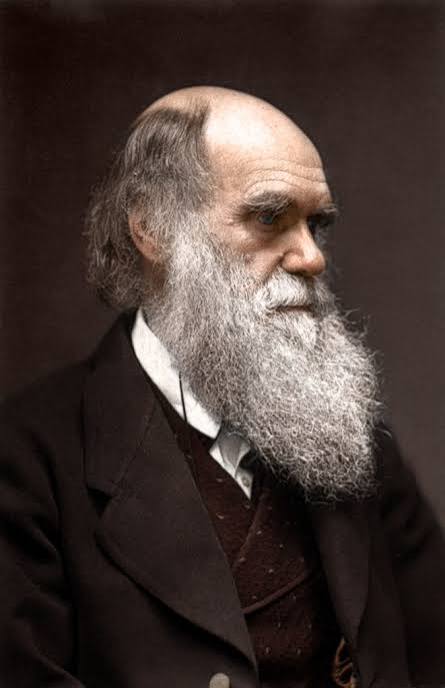
  • 13 of the World’s Greatest Thinkers

    13 of the World’s Greatest Thinkers

    Throughout world history, numerous intellectuals have profoundly shaped human thought, culture, and progress.

    Here’s a list of some of the greatest intellectuals whose ideas and discoveries continue to influence us today:

    – **Socrates (470–399 BCE)** — The classical Greek philosopher who laid the groundwork for Western philosophy through his method of questioning and dialogue.

    – **Plato (427–347 BCE)** — A student of Socrates, Plato founded the Academy and contributed foundational ideas in philosophy, politics, and metaphysics.

    – **Aristotle (384–322 BCE)** — A polymath who made lasting contributions to logic, science, ethics, and political theory.

    – **Leonardo da Vinci (1452–1519)** — The quintessential Renaissance man, da Vinci excelled as an artist, scientist, engineer, and inventor.

    – **Confucius (551–479 BCE):** Chinese philosopher whose teachings on morality, society, and governance deeply influenced East Asian cultures.

    – **Isaac Newton (1643–1727)** — His laws of motion and universal gravitation became cornerstones of physics and scientific inquiry.

    – **Immanuel Kant (1724–1804)** — A central figure in modern philosophy, known for his work on epistemology, ethics, and metaphysics.

    – **Charles Darwin (1809–1882)** — Revolutionized biology with his theory of evolution by natural selection.

    – **Marie Curie (1867–1934)** — Pioneering physicist and chemist, the first woman to win a Nobel Prize, known for her work on radioactivity.

    – **Albert Einstein (1879–1955)** — His theories of relativity transformed our understanding of space, time, and energy.

    – **Noam Chomsky (b. 1928)** — A linguist, philosopher, and political activist recognized for his groundbreaking work in linguistics and cognitive science.

    – **Sigmund Freud (1856–1939):** Founder of psychoanalysis, offering new insights into the human mind and behavior.

    – **Jane Austen (1775–1817):** Novelist whose keen observations of social structures and human nature have resonated across centuries.

    This list is by no means exhaustive, but each of these intellectuals has played a critical role in expanding the horizons of human knowledge and shaping the intellectual landscape of their times and beyond. ~H

  • 17 Bertrand Russell Quotes

    17 Bertrand Russell Quotes

    Here are some of the best and most thought-provoking quotes by the philosopher and mathematician Bertrand Russell:

    1. “The whole problem with the world is that fools and fanatics are always so certain of themselves, and wiser people so full of doubts.”

    2. “To fear love is to fear life, and those who fear life are already three parts dead.”

    3. “The good life is one inspired by love and guided by knowledge.”

    4. “Do not fear to be eccentric in opinion, for every opinion now accepted was once eccentric.”

    5. “War does not determine who is right — only who is left.”

    6. “The secret of happiness is this: let your interests be as wide as possible, and let your reactions to the things and persons that interest you be as far as possible friendly rather than hostile.”

    7. “Science is what you know, philosophy is what you don’t know.”

    9. “Education is what remains after one has forgotten what one has learned in school.”

    10. “The time you enjoy wasting is not wasted time.”

    11. “Men are born ignorant, not stupid; they are made stupid by education.”

    12. “The secret to happiness is to face the fact that the world is horrible.”

    13. “No one gossips about other people’s secret virtues.”

    14. “The only thing that will redeem mankind is cooperation.”

    15. “To conquer fear is the beginning of wisdom.”

    16. “Religion is something left over from the infancy of our intelligence, it will fade away as we adopt reason and science as our guidelines.”

    17. “One is often told that it is a very wrong thing to attack religion, because religion makes men virtuous. So I am told; I have not noticed it.”

  • College instead of Military

    What could you do differently?

    This is the choice I had as a senior in high school back in 1991, about to graduate and make my own way in the world. My dad died when I was 11, so my mother worked a lot trying to support my 2 brothers and I. Since it was a struggle to support the family on a single income, my mother gave me the choice of either joining the military, where I could learn a job skill or several through apprenticeships, or stay with my mom and brothers, and go to college for a formal education while she paid for my tuition and books. Maybe I could work a job to help with the fees.

    I had my reasons to join the military after high school graduation, one of them being that I didn’t want to burden my mother with the extra expenses of school. Learning a job skill, seeing the world, maybe toughening up some since I was a gawky nerd while in public school. I was very green, naive, and sheltered. But I would qualify for the Montgomery GI Bill, if I joined the military. I could go to college later, if I chose so. (I did, 10 years later.)

    Was the Air Force a good experience? Yes, and no. I met some good people, did go to different parts of the US and some other countries, learned how to be a professional military cook and basic service specialist, learned some military culture and lingo, and didn’t screw up so much that I was able to get an honorable discharge after 2 terms of service. It was sometimes stressful, sometimes loud enough that I developed tinnitus from the noise of war machinery, and I had to cope with the politics (workplace and geopolitical). I also developed habits like smoking and the occasional binge drinking, and I became more jaded and vigilant. I wasn’t burned out yet, but I lost a spark I had at 18.

    I started to go college when I was 27, sometimes older than the other students. While I did study and did well enough in some courses, there was some other courses I couldn’t keep up with, or in some cases was completely lost. Astrophysics 2 showed that I’m terrible in advanced math, and intermediate algebra seems to be my limit.

    I got so burnt out from reading college textbooks that I don’t have the attention span for reading books anymore. I’ll read online summaries or specific quotes or facts about a topic instead. I ended up dropping out of getting a bachelors degree partly cuz my grades weren’t good enough (with autistic spikes), and I couldn’t afford to finish college.

    So why would I chose college over the military after highschool? Money, time, and energy. I was more energetic, healthy, and idealistic at 17-18 years old than I was at 27-28, college was cheaper (yet still costly), and I would spend more time with my family. I would probably have a better formal education than I do now, maybe working as an engineer or professional writer. I also probably wouldn’t have developed the wanderlust I have for travel if I just stayed in my hometown, instead of the 7 countries I was able to visit while in the military.

    I’m not sure if it was a better choice, but maybe I would have chosen a different fork in the road knowing what I know now.

  • From Humble Beginnings to Wealth: The Inspiring Journey of Tao Huabi and Other Self-Made Success Stories

    From Humble Beginnings to Wealth: The Inspiring Journey of Tao Huabi and Other Self-Made Success Stories

    The path to success is rarely a straight line, often marked by challenges, perseverance, and unwavering determination. Few stories embody this journey more vividly than that of Tao Huabi, whose rise from modest origins to becoming a celebrated entrepreneur serves as a powerful testament to the spirit of self-made achievement. In this blog post, we will explore Tao Huabi’s inspiring story alongside other remarkable self-made success stories, uncovering the lessons, mindset, and strategies that propelled these individuals from humble beginnings to extraordinary wealth. Whether you’re seeking motivation or practical insights, these narratives offer invaluable inspiration for anyone striving to carve their own path to success.

    1. Introduction: The Power of Self-Made Success

    The journey from humble beginnings to remarkable success is a story that resonates across cultures and industries. It embodies the spirit of determination, resilience, and unwavering belief in one’s vision. Tao Huabi’s inspiring rise from a modest background to becoming a celebrated entrepreneur exemplifies the transformative power of self-made success. Her story, along with countless others, illustrates how passion combined with hard work can break barriers and create lasting impact. In this blog post, we will explore the journeys of Tao Huabi and other remarkable individuals who turned challenges into opportunities, proving that with perseverance and dedication, anyone can rewrite their destiny and achieve extraordinary wealth and influence.

    2. Who is Tao Huabi? A Brief Biography

    Tao Huabi is a remarkable example of perseverance and entrepreneurial spirit, rising from modest origins to become one of China’s most successful self-made businesswomen. Born in a small rural village, Tao faced numerous hardships early in life, including financial struggles and limited access to education. Despite these challenges, her determination to create a better future for herself and her family never wavered.
    Tao’s journey began in the food industry, where she started by selling homemade chili sauces door-to-door. With a keen eye for quality and an unwavering commitment to her craft, her products quickly gained popularity. Recognizing the growing demand, she founded the Lao Gan Ma company, which would eventually become a household name across China and beyond. Her brand is now synonymous with authentic, flavorful chili sauces that have won the hearts of millions.
    What sets Tao Huabi apart is not just her business acumen, but her dedication to maintaining the traditional flavors and recipes that made her products unique. Through hard work, innovation, and a deep understanding of her customers’ tastes, Tao transformed a small-scale operation into a thriving enterprise, inspiring countless aspiring entrepreneurs along the way. Her story is a testament to how resilience, passion, and a clear vision can turn humble beginnings into extraordinary success.

    3. Early Life and Humble Beginnings

    Tao Huabi’s story is a powerful testament to how determination and hard work can transform humble beginnings into extraordinary success. Born into a modest family, Tao faced numerous challenges from a young age, including financial hardships and limited access to resources. Despite these obstacles, her unwavering spirit and entrepreneurial mindset set her on a path that would eventually revolutionize the food industry in China.
    Growing up in a small rural town, Tao was no stranger to adversity. She took on various jobs to support her family, gaining valuable life experience along the way. It was during these formative years that she developed a keen understanding of the needs and tastes of everyday consumers- knowledge that would later become the foundation of her business empire.
    Tao’s journey began with a simple but bold idea: to create a distinctive chili sauce that captured authentic flavors while remaining affordable for the average household. Starting with just a small kitchen and a handful of ingredients, she meticulously crafted her recipe, often working long hours to perfect the taste. Her dedication paid off, as her product quickly gained popularity among locals, laying the groundwork for what would become a nationwide brand.
    Her early struggles and humble start serve as a reminder that success rarely comes overnight. Through perseverance, innovation, and a deep connection to her roots, Tao Huabi exemplifies how passion combined with hard work can overcome even the toughest odds. Her journey continues to inspire countless aspiring entrepreneurs who dream of turning their own small beginnings into lasting legacies.

    4. Overcoming Challenges and Obstacles

    Every inspiring success story is marked by moments of adversity, and Tao Huabi’s journey is no exception. Born into a modest family, Tao faced numerous challenges that could have easily deterred her ambitions. Limited resources, societal expectations, and the skepticism often directed toward women entrepreneurs in her community posed significant hurdles. However, Tao’s resilience and unwavering determination allowed her to navigate these obstacles with grace and grit.
    One of the most daunting challenges Tao encountered was gaining the trust of customers in a highly competitive market. Starting with a small stall selling homemade chili sauce, she had to prove that her product was not only authentic but also superior in quality. Through relentless experimentation, attention to detail, and a commitment to excellence, Tao gradually built a loyal customer base. She also overcame operational challenges, such as sourcing ingredients and managing production, by forging strong relationships with local suppliers and continuously optimizing her processes.
    Tao’s story exemplifies how perseverance, adaptability, and a clear vision can transform setbacks into stepping stones. Like many self-made entrepreneurs featured in this blog, she turned every obstacle into an opportunity to learn, grow, and ultimately thrive. Her journey reminds us that the path to wealth and success is rarely smooth, but with passion and resilience, even the toughest challenges can be overcome.

    5. The Turning Point: Tao Huabi’s Breakthrough

    Every inspiring success story has a defining moment- the turning point that transforms hard work and perseverance into remarkable achievement. For Tao Huabi, the founder of the renowned Lao Gan Ma brand, that moment came when she recognized a gap in the market for authentic, flavorful chili sauces that captured the essence of traditional Chinese cooking. Starting from a humble roadside stall in Guizhou province, Tao Huabi’s breakthrough wasn’t just about creating a product; it was about crafting a brand that resonated deeply with consumers seeking quality and authenticity.
    Her keen understanding of local tastes, combined with relentless dedication to perfecting her recipes, allowed her to stand out in a crowded marketplace. What truly set Tao apart was her ability to scale her small operation without compromising on quality- a challenge many entrepreneurs face. As demand grew, she expanded production and distribution, turning her once small-scale venture into a household name across China and eventually the world.
    This turning point highlights the importance of not only identifying an unmet need but also committing to excellence and adaptability. Tao Huabi’s journey reminds us that breakthroughs often come when passion meets opportunity, and when persistence fuels innovation. Her story continues to inspire countless entrepreneurs striving to turn their humble beginnings into lasting success.

    6. Building a Business Empire from Scratch

    Building a business empire from scratch is a testament to resilience, vision, and relentless hard work. Tao Huabi’s journey exemplifies how humble beginnings need not limit one’s ambitions. Starting with a small chili sauce stall in a modest town, Tao Huabi transformed her venture into a household name across China and beyond. The key lies in identifying a unique product or service that meets real customer needs and dedicating oneself to continuous improvement and innovation.
    For aspiring entrepreneurs, the path to building a business empire involves more than just a great idea- it requires strategic planning, adaptability, and an unwavering commitment to quality. Tao Huabi invested in understanding her customers’ tastes, refined her recipes, and scaled production while maintaining authenticity. Her story underscores the importance of perseverance in overcoming obstacles, whether financial, operational, or market-related.
    Moreover, building a lasting business empire often means nurturing a strong team, fostering a company culture rooted in shared values, and embracing opportunities for growth without losing sight of your core mission. Whether it’s through expanding product lines, entering new markets, or leveraging technology, success comes from balancing ambition with grounded, practical steps.
    Tao Huabi’s story, alongside other inspiring self-made entrepreneurs, reminds us that with passion and persistence, building a thriving business empire from scratch is not just a dream- it’s an achievable reality.

    7. Key Traits and Habits of Tao Huabi’s Success

    Tao Huabi’s remarkable journey from a modest background to becoming a renowned business magnate offers invaluable insights into the traits and habits that fueled her success. One of the most defining characteristics of Tao Huabi is her unwavering perseverance. Despite facing numerous obstacles early on, she demonstrated a relentless commitment to her vision, never allowing setbacks to deter her from pursuing her goals. This resilience was paired with an exceptional work ethic; Tao Huabi was known for her hands-on approach, often immersing herself deeply in every aspect of her business to ensure quality and innovation.
    Another key trait was her keen sense of opportunity and adaptability. She identified gaps in the market and capitalized on them, continuously evolving her business model to meet changing consumer demands. Tao Huabi also valued humility and learning, frequently seeking knowledge and advice to refine her strategies. Moreover, her ability to build strong relationships and lead with empathy fostered loyalty among employees and customers alike, creating a solid foundation for sustainable growth.
    Incorporating disciplined habits such as setting clear goals, maintaining focus amidst distractions, and prioritizing customer satisfaction further distinguished her path. Together, these traits and habits not only propelled Tao Huabi to extraordinary heights but also serve as a blueprint for aspiring entrepreneurs aiming to transform challenges into opportunities and build enduring success.

    8. Lessons Learned from Tao Huabi’s Journey

    Tao Huabi’s journey from an impoverished background to becoming one of China’s most celebrated self-made entrepreneurs offers invaluable lessons for anyone aspiring to achieve success against the odds. Starting with a small chili sauce business in her hometown, Tao’s relentless dedication, innovative spirit, and deep understanding of her customers propelled her brand to national fame. One of the key takeaways from her story is the power of perseverance- despite facing early financial struggles and limited resources, she remained committed to her vision and continuously refined her product to meet the market’s needs. Additionally, Tao’s emphasis on quality and authenticity helped her build a loyal customer base, proving that staying true to your values can set you apart in a crowded marketplace. Moreover, her ability to adapt and scale her operations strategically underscores the importance of flexibility and smart growth planning. Ultimately, Tao Huabi’s path teaches us that success is not just about having a great idea, but also about resilience, customer focus, and the courage to evolve along the way.

    9. Other Inspiring Self-Made Success Stories

    Beyond Tao Huabi’s remarkable journey from humble beginnings to becoming a celebrated entrepreneur, countless other self-made success stories continue to inspire and motivate aspiring individuals around the world. Take Sara Blakely, for example, who started Spanx with just $5,000 in savings and transformed it into a billion-dollar shapewear empire through sheer determination and innovative thinking. Similarly, Howard Schultz grew up in a working-class family and went on to build Starbucks into a global coffee powerhouse by focusing on customer experience and brand loyalty.
    These stories share common threads: resilience in the face of adversity, a clear vision, and an unwavering commitment to their goals. Whether it’s J.K. Rowling, who penned the Harry Potter series while struggling as a single mother, or Daymond John, who built FUBU from a small startup in his mother’s house, their paths highlight that success is often rooted in persistence, creativity, and the courage to take risks.
    Their achievements serve as powerful reminders that no matter where you start, with passion and perseverance, the journey to success is possible. These stories not only celebrate individual triumphs but also inspire countless others to pursue their dreams relentlessly, proving that humble beginnings can lead to extraordinary outcomes.

    10. Common Themes Among Self-Made Entrepreneurs

    One of the most fascinating aspects of self-made entrepreneurs like Tao Huabi is the presence of common themes that thread through their journeys to success. Despite differences in industries, backgrounds, and cultures, these individuals often share key traits and experiences that fuel their rise from humble beginnings to remarkable wealth.
    Firstly, resilience stands out as a defining characteristic. Tao Huabi’s story, like many others, is marked by overcoming adversity- whether it’s financial hardship, social obstacles, or personal setbacks. This unwavering determination to keep moving forward, even when faced with failure, is a hallmark of successful entrepreneurs.
    Another common theme is an unrelenting work ethic. Self-made entrepreneurs often invest countless hours honing their craft, learning new skills, and expanding their business. Their willingness to go above and beyond, sometimes sacrificing personal comforts, sets them apart from others.
    Innovation and adaptability also play crucial roles. Tao Huabi’s ability to identify market gaps and tailor her products to meet consumer needs exemplifies how successful entrepreneurs think creatively and pivot when necessary. They stay attuned to changing trends and customer preferences, ensuring their businesses remain relevant and competitive.
    Lastly, a deep passion for their work fuels self-made entrepreneurs. This passion not only drives them through challenging times but also inspires those around them- from employees to customers. It creates a sense of purpose that transcends mere profit, fostering authenticity and long-term commitment.
    Recognizing these common themes offers valuable insights for aspiring entrepreneurs. Embracing resilience, dedication, innovation, and passion can set the foundation for turning humble beginnings into extraordinary success stories.

    11. The Role of Perseverance and Hard Work

    Perseverance and hard work are the cornerstones of every self-made success story, and Tao Huabi’s journey is a shining example of this truth. Starting from modest beginnings, Tao faced numerous obstacles- from limited resources to fierce competition- but her unwavering determination propelled her forward. Rather than allowing setbacks to deter her, she viewed each challenge as an opportunity to learn and grow. This resilient mindset enabled her to build a thriving business that not only transformed her own life but also inspired countless others.
    In the world of entrepreneurship, talent and ideas are important, but it is consistent effort and the refusal to give up that truly set successful individuals apart. Hard work means putting in the hours, refining your craft, and continuously pushing beyond comfort zones. Perseverance keeps you going when results seem slow or when the path ahead is unclear. Together, they create a powerful combination that can turn even the most humble beginnings into remarkable achievements.
    Tao Huabi’ s story reminds us that while luck and timing can influence outcomes, it is the persistent commitment to one’s goals that ultimately unlocks the door to wealth and success. For aspiring entrepreneurs, embracing perseverance and hard work is not just advisable- it’s essential.

    12. How to Apply These Lessons to Your Own Life

    Applying the lessons from Tao Huabi’s inspiring journey and other self-made success stories to your own life begins with embracing perseverance and a strong work ethic. These stories remind us that success rarely happens overnight; it is the result of consistent effort, resilience in the face of setbacks, and a willingness to learn and adapt. Start by setting clear, achievable goals and breaking them down into manageable steps, just as Tao Huabi did when she transformed her humble chili sauce business into a thriving enterprise.
    Another key takeaway is the importance of authenticity and staying true to your values. Tao Huabi’s commitment to quality and understanding her customers’ needs helped her build a loyal following. Similarly, focus on creating genuine connections with your audience or customers, delivering value, and maintaining integrity in every aspect of your work.
    Lastly, don’t be afraid to take calculated risks and seize opportunities when they arise. Whether it’s investing in your skills, exploring new markets, or innovating your products or services, growth often requires stepping outside your comfort zone. By internalizing these lessons and applying them with dedication, you can pave your own path from humble beginnings to lasting success.

    13. The Impact of Self-Made Success on Society

    The impact of self-made success stories like Tao Huabi’s extends far beyond individual achievement; it resonates deeply within society as a whole. When individuals rise from humble beginnings to achieve remarkable wealth and influence, they embody the ideals of perseverance, innovation, and determination. These stories inspire countless others to pursue their dreams, fostering a culture of ambition and resilience. Moreover, self-made entrepreneurs often contribute significantly to economic growth by creating jobs, stimulating local economies, and driving innovation in their industries. Tao Huabi, for example, transformed not only her own life but also uplifted her community through her business ventures, demonstrating how personal success can lead to broader social progress. In essence, self-made success stories serve as powerful reminders that with hard work and vision, it is possible to overcome adversity and make a meaningful impact on society.

    14. Encouragement for Aspiring Entrepreneurs

    Embarking on the journey of entrepreneurship is both exciting and challenging. The story of Tao Huabi, who rose from humble beginnings to build a thriving business empire, serves as a powerful reminder that determination, resilience, and a clear vision can turn dreams into reality. For aspiring entrepreneurs, it’s important to remember that success rarely happens overnight. It requires patience, hard work, and the willingness to learn from failures along the way. Surround yourself with supportive mentors, stay adaptable in the face of change, and never lose sight of your passion. Your unique ideas and unwavering commitment can pave the way to your own inspiring success story. Keep pushing forward- your journey is just beginning.

    15. Conclusion: Embracing Your Own Path to Wealth and Success

    Every journey to wealth and success is uniquely personal, shaped by individual challenges, passions, and perseverance. Tao Huabi’s incredible story- from impoverished origins to becoming a celebrated entrepreneur- reminds us that determination, hard work, and unwavering belief in oneself can overcome even the most daunting obstacles. While there’s no one-size-fits-all formula, embracing your own path means learning from the experiences of those who came before you, adapting their lessons to fit your circumstances, and staying committed to your vision. Remember, success is not just about financial gain but also about growth, resilience, and the impact you create along the way. So take inspiration from these stories, trust your instincts, and keep moving forward- your own remarkable journey to wealth and fulfillment awaits.


    The stories of Tao Huabi and other self-made entrepreneurs serve as powerful reminders that determination, resilience, and vision can transform humble beginnings into extraordinary success. Their journeys inspire us to embrace challenges, seize opportunities, and believe in the potential within ourselves to create lasting impact. Whether you’re just starting out or striving to overcome obstacles, these narratives prove that with passion and perseverance, wealth and achievement are within reach. Let their examples motivate you to write your own success story, turning dreams into reality one step at a time.  -H