Throughout history, tales of extraordinary longevity have fascinated and inspired us, offering glimpses into lives that have spanned well beyond the ordinary. The oldest people in history not only defied the limits of human lifespan but also witnessed incredible changes across centuries, their stories rich with resilience, wisdom, and remarkable experiences.
In this blog post, we will explore the lifespans, captivating stories, and unique biographies of some of the most long-lived individuals in history, uncovering the secrets behind their longevity and the legacy they left behind. Whether driven by genetics, lifestyle, or sheer luck, these remarkable lives remind us of the extraordinary possibilities of the human journey.
1. Introduction: Exploring the Lives of the Oldest People in History
Throughout human history, stories of extraordinary longevity have fascinated and inspired us. From ancient legends to well-documented cases, the lives of the oldest people offer a unique window into the possibilities of human lifespan, resilience, and the secrets to aging gracefully. In this post, we’ll explore some of the most remarkable biographies of individuals who have defied the odds, living well beyond a century. We’ll delve into their lifespans, the historical contexts they lived through, and the personal stories that shaped their long journeys.
Whether it’s Jeanne Calment, who holds the record for the longest confirmed human lifespan, or lesser-known centenarians whose lives touched communities and cultures around the world, these stories provide not only intriguing facts but also valuable lessons on health, longevity, and the human spirit. Join us as we embark on a fascinating exploration of the oldest people in history.
2. Understanding Human Longevity: Biological and Environmental Factors
Human longevity is a complex interplay of biological and environmental factors that together shape the potential lifespan of an individual. Biologically, genetics play a crucial role- certain gene variants have been linked to longer lifespans and a lower risk of age-related diseases.
For example, some individuals possess genetic traits that enhance cellular repair mechanisms or improve metabolic efficiency, contributing to healthier, longer lives.
However, genetics alone do not determine lifespan; environmental influences are equally significant. Access to nutritious food, clean water, quality healthcare, and safe living conditions all contribute to overall health and longevity.
Additionally, lifestyle choices such as regular physical activity, stress management, and avoiding harmful habits like smoking dramatically impact how long and how well a person lives. Social connections and mental well-being also play vital roles, as studies have shown that strong relationships and a positive outlook can improve lifespan.
By understanding how these biological and environmental factors intertwine, we gain valuable insights into the remarkable stories of the oldest people in history and the keys to unlocking a longer, healthier life.
3. Jeanne Calment: The Longest Verified Lifespan
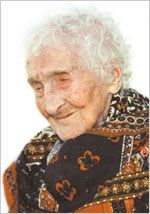
Jeanne Calment holds the record for the longest verified human lifespan, living an astonishing 122 years and 164 days.
Born in Arles, France, in 1875, Jeanne witnessed an incredible span of history- from the invention of the telephone to the dawn of the internet age. Her longevity has fascinated scientists and historians alike, offering valuable insights into aging and human resilience.
Jeanne attributed her long life to a combination of factors, including a diet rich in olive oil, a calm and optimistic outlook, and a lifestyle that included regular physical activity such as cycling and fencing in her youth. She was known for her sharp wit and sense of humor well into her later years, often joking about her age and the secret to her longevity.
Her remarkable biography not only highlights the extremes of human lifespan but also serves as an inspiring testament to the possibilities of longevity. Jeanne Calment’s life story continues to captivate researchers and the public, reminding us of the extraordinary potential of the human spirit across more than a century.
4. The Story of Jiroemon Kimura: Japan’s Centenarian Legend
Jiroemon Kimura’s story is nothing short of extraordinary- a testament to longevity, resilience, and the quiet strength of the human spirit.
Born on April 19, 1897, in Kyotango, Japan, Kimura lived through three centuries, witnessing profound changes in the world around him. He held the Guinness World Record as the oldest verified man in history, celebrating his 116th birthday in 2013 before passing away later that year at the remarkable age of 116 years and 54 days.
What makes Kimura’s life particularly inspiring is not just the length of his years but the quality and simplicity with which he lived them. A postman by profession, he credited his long life to a combination of hard work, a balanced diet, and a positive outlook. He maintained a routine that included early mornings and modest meals, often emphasizing the importance of eating light and staying mentally active.
Kimura’s longevity also reflects the broader cultural and genetic factors associated with Japan’s famously long-lived population. His story has been celebrated worldwide, inspiring researchers and individuals alike to explore the secrets of healthy aging.
More than just a record-holder, Jiroemon Kimura remains a symbol of endurance and the incredible potential of the human lifespan.
5. Sarah Knauss: America’s Oldest Recorded Person
Sarah Knauss holds the remarkable title of America’s oldest recorded person, having lived an extraordinary 119 years and 97 days.
Born in 1880 in Hollywood, Pennsylvania, Sarah witnessed an incredible span of history- from the invention of the telephone to the dawn of the internet age. Her longevity has fascinated researchers and admirers alike, not only because of her age but also due to her calm and cheerful disposition throughout her life.
Known for her gentle nature and positive outlook, Sarah lived a relatively quiet life. She attributed her long life to staying calm, avoiding stress, and maintaining a peaceful mindset. Even in her later years, Sarah remained mentally sharp and was said to have a good memory and clear speech. Her family often remarked on her resilience and ability to adapt to changing times, which may have contributed to her incredible lifespan.Sarah’s story is a testament to the power of a balanced lifestyle, strong family support, and a positive attitude.
Her life continues to inspire those who seek to understand the secrets behind human longevity, and her legacy remains a significant chapter in the history of supercentenarians.
6. Historical Figures with Remarkable Longevity
Throughout history, several figures have stood out not only for their achievements but also for their extraordinary lifespans, defying the odds of their time. One notable example is Li Ching-Yuen, a Chinese herbalist and martial artist who, according to some accounts, lived for over 197 years.
While the accuracy of this claim is debated, Li’s story has become legendary, symbolizing the potential benefits of traditional Chinese medicine and a balanced lifestyle.
In addition to these individuals, there are various other historical figures whose longevity has intrigued researchers and historians alike. Their stories often intertwine with cultural practices, diets, and philosophies that emphasize harmony with nature and mental well-being. Exploring these biographies provides valuable insight into how longevity was perceived and pursued in different eras and cultures, offering inspiration and lessons that remain relevant today.
7. Common Traits and Habits Among the Oldest People
While each of the world’s oldest individuals has a unique story, researchers and biographers have identified several common traits and habits that seem to contribute to their extraordinary longevity. Many of these centenarians share a balanced approach to life, combining physical activity, a nutritious diet, and strong social connections.
One recurring habit is maintaining an active lifestyle. Whether it’s gardening, walking, or engaging in light exercise, keeping the body moving appears to support both physical health and mental sharpness well into old age.
Additionally, many of the longest-lived people consume diets rich in whole, natural foods, often emphasizing fruits, vegetables, lean proteins, and healthy fats-while avoiding excessive processed foods and sugars.
Social engagement also plays a critical role. Longevity often goes hand in hand with maintaining strong relationships with family and community, fostering a sense of belonging and purpose. Many centenarians attribute their long lives to staying mentally active through hobbies, reading, or lifelong learning, which helps sustain cognitive function and emotional well-being.
Lastly, a positive outlook on life, resilience in the face of adversity, and a capacity to manage stress effectively have been noted as key psychological traits among the oldest people. While genetics certainly influence lifespan, these common lifestyle habits and mindsets offer valuable insights into how longevity can be nurtured.
8. The Role of Genetics in Extreme Lifespans
Genetics plays a significant role in determining lifespan, especially when it comes to those exceptional individuals who live well beyond the average human age. Studies of centenarians and supercentenarians- people who live to 100 years and beyond- have revealed that certain genetic factors contribute to longevity. These individuals often possess unique genetic variations that enhance their cells’ ability to repair damage, reduce inflammation, and maintain metabolic health.
For example, genes involved in DNA repair mechanisms, immune system function, and cellular resilience are frequently found to be more active or efficient in those with extreme lifespans.However, genetics is only part of the story. While having a favorable genetic makeup can provide a strong foundation for a long life, environmental factors, lifestyle choices, and social connections also play crucial roles.
Researchers continue to study families with a history of exceptional longevity to better understand how these genetic traits are passed down and how they interact with other factors to promote a longer, healthier life.
Ultimately, the role of genetics in extreme lifespans highlights the complex interplay between our inherited blueprint and the lives we lead, offering hope and insight into the secrets behind living a remarkably long life.
9. Cultural Perspectives on Aging and Longevity
Aging and longevity have been perceived differently across cultures throughout history, shaping how societies honor their elders and understand the process of growing old. In many traditional cultures, elders are revered as the keepers of wisdom, history, and spiritual guidance.
For example, in many Indigenous communities around the world, the elderly hold a respected status, often serving as storytellers and advisors who maintain the continuity of cultural knowledge and values.
In contrast, some modern Western societies tend to emphasize youthfulness, sometimes marginalizing older adults.
However, growing awareness of the value of aging has led to increased interest in celebrating longevity and learning from those who have lived extraordinary lives.
Cultural practices such as Japan’s celebration of “Respect for the Aged Day” highlight the deep appreciation for seniors and their contributions to society.
Furthermore, differing diets, lifestyles, social structures, and attitudes toward aging in various cultures have been linked to remarkable lifespans.
The Blue Zones regions where people commonly live past 100 offer valuable insights into how cultural habits like strong family ties, active lifestyles, and plant-based diets contribute to longevity.Understanding these cultural perspectives enriches our appreciation of the oldest people in history, reminding us that longevity is not only a biological phenomenon but also deeply intertwined with social values and traditions.
10. Medical Advances and Their Impact on Lifespan
Medical advances have played a pivotal role in extending human lifespans throughout history. From the discovery of vaccines to the development of antibiotics, these breakthroughs have drastically reduced mortality rates from infectious diseases that once claimed millions of lives.
For example, the introduction of the smallpox vaccine in the late 18th century marked a turning point in public health, eventually leading to the eradication of the disease.
In more recent times, innovations such as improved surgical techniques, advanced diagnostic tools, and personalized medicine have further enhanced our ability to treat chronic illnesses and manage age-related conditions.
The rise of preventative care and health education has empowered individuals to make lifestyle choices that promote longevity.
Additionally, ongoing research into genetics and regenerative medicine holds promise for even greater extensions of human lifespan in the future.These medical advances not only contribute to longer lives but also improve the quality of life in our later years, enabling many of the oldest people in history to live vibrant, active lives well beyond what was previously considered possible.
Understanding the impact of these developments helps us appreciate the remarkable biographies of those who have achieved extraordinary longevity.
11. Longevity Myths and Misconceptions
Longevity has fascinated humanity for centuries, often giving rise to a variety of myths and misconceptions about what it takes to live an exceptionally long life.
One common myth is that certain foods or secret potions can dramatically extend lifespan. While a balanced diet and healthy lifestyle certainly contribute to overall well-being, there is no miracle food or elixir that guarantees longevity.
Another misconception is that living past 100 is purely a matter of genetics. Though genetics do play a role, environmental factors, lifestyle choices, and access to healthcare are equally important in determining how long someone lives.
Some stories of extreme age, such as claims of people living beyond 120 or even 150 years, have been debunked due to lack of reliable documentation or errors in record-keeping. In many cases, these tales stem from misunderstandings or exaggerations passed down through generations.
It’s important to approach such claims with a critical eye and rely on verified records when studying the lives of the oldest individuals in history. Understanding these myths helps us appreciate the true complexity behind longevity and underscores the importance of scientific research and verified data in uncovering the secrets behind long, healthy lives.
12. Lessons Learned from the Lives of Centenarians
The lives of centenarians offer us invaluable lessons about longevity, resilience, and the human spirit. Many of these remarkable individuals share common traits that contribute not only to their impressive lifespans but also to the quality of their years. One key takeaway is the importance of maintaining strong social connections- centenarians often emphasize the role of family, friends, and community in keeping their spirits high and minds active.
Additionally, many have led balanced lifestyles, incorporating regular physical activity, a nutritious diet, and adequate rest into their daily routines. Perhaps most inspiring is their positive outlook on life; a sense of purpose, adaptability, and the ability to find joy in small moments seem to be recurring themes. By reflecting on these lessons, we can gain insights into how to cultivate habits and mindsets that promote not only a longer life but a richer, more fulfilling one.
13. How to Promote Healthy Aging in Your Own Life
Promoting healthy aging is a vital step toward not only extending your lifespan but also enhancing the quality of your years. While genetics play a role in longevity, lifestyle choices have a profound impact on how gracefully we age.
To foster healthy aging, focus on a balanced diet rich in fruits, vegetables, whole grains, and lean proteins, which provide essential nutrients that support cellular repair and reduce inflammation.
Regular physical activity- whether it’s walking, swimming, or yoga- helps maintain muscle mass, flexibility, and cardiovascular health, all crucial for staying independent as you grow older.
Equally important is nurturing your mental and emotional well-being. Engaging in social activities, pursuing hobbies, and practicing mindfulness or meditation can reduce stress and keep your mind sharp.
Prioritizing quality sleep helps repair the body and supports cognitive function. Additionally, routine health check-ups enable early detection and management of chronic conditions.
By embracing these habits, you not only improve your chances of living a longer life but also increase the likelihood that those extra years will be filled with vitality, purpose, and joy- just like many of the remarkable individuals featured throughout history.
14. The Future of Human Longevity: What Science Predicts
As science and technology continue to advance at an unprecedented pace, the future of human longevity is becoming an increasingly exciting and tangible prospect. Researchers are exploring groundbreaking fields such as genetic engineering, regenerative medicine, and advanced biotechnology with the goal of not just extending lifespan, but also improving the quality of those added years.
Innovations like CRISPR gene editing hold the promise of correcting genetic mutations that contribute to aging and age-related diseases, while stem cell therapies aim to repair and rejuvenate damaged tissues throughout the body.
Moreover, the study of cellular senescence- the process by which cells lose the ability to divide and function properly- is revealing new targets for interventions that could slow down or even reverse aspects of the aging process.
Scientists are also investigating the role of lifestyle factors, such as diet, exercise, and microbiome health, in promoting longevity, emphasizing a holistic approach to aging well.While it remains uncertain exactly how far human lifespan can be extended, many experts predict that in the coming decades, breakthroughs in anti-aging therapies and personalized medicine could enable people to live significantly longer, healthier lives.
This potential future not only raises fascinating scientific possibilities but also invites important ethical and social discussions about how extended lifespans might reshape society.
As we continue to unravel the mysteries of aging, one thing is clear: the story of human longevity is far from over.
15. Conclusion: Celebrating Remarkable Biographies and Lifespans
Throughout history, the stories of the oldest people have captivated our imagination and inspired us to reflect on the possibilities of human longevity. These remarkable individuals not only reached extraordinary ages but also lived through incredible eras of change, witnessing firsthand the evolution of societies, technologies, and cultures.
Their biographies offer more than just numbers- they provide a window into resilience, adaptability, and the human spirit’s capacity to endure. As we celebrate their lifespans, we honor their unique journeys, the lessons they impart, and the hope they give us for our own lives.
In exploring these remarkable lives, we are reminded that longevity is not just about the years counted, but about the stories lived and the legacies left behind.
Exploring the lives of the oldest people in history offers us a fascinating glimpse into the resilience, wisdom, and extraordinary experiences that come with a long life. Their stories remind us not only of the incredible potential of human longevity but also of the rich histories and lessons passed down through generations.
Whether through their remarkable lifespans or the inspiring chapters of their biographies, these individuals continue to motivate us to cherish every moment and embrace the journey of life. We hope this deep dive into their lives has sparked your curiosity and appreciation for the remarkable tales that time can hold. ~H


 HETTY
HETTY 