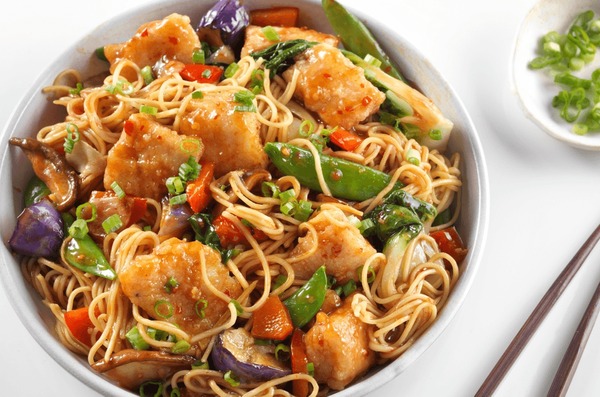
Japanese Stir Fry with Noodles (Yakisoba) is a versatile, tasty, affordable, and nutritious meal. The beauty of it is that it’s fairly easy to make, and there’s variations in the ingredients. Different types of meat, sauces, noodles, and vegetables can be used to make this dish. Vegetarian options are even possible. Let’s get started.
Pound of meat, cut in bite sized pieces, and cooked thoroughly in a pot, wok, or large saucepan. Tougher cuts of meat should be marinated for a span of 2 to 12 hours first to improve flavor and tenderness.
8 ounces of desired pasta, cooked thoroughly in boiling water and a splash of cooking oil until tender yet firm. Drain excess water
Slices of desired vegetables (onions, green peppers, cabbage, snap peas, green beans, and so on.)
Splashes of cooking oil to brown the meat and cook vegetables
Choice of sauce (Oyster, Fish Sauce, Soy Sauce, Hoisin, Teriyaki)
Meat variations:
Ground beef, or diced steak of any cut. It’s best to marinate steak first in soy, teriyaki, fish, or oyster sauce for 2 to 12 hours first. Ground beef marination isn’t needed.
Chicken. Boneless chicken breast works best, but pieces of chicken baked or fried thoroughly and then deboned will also work.
Seafood: Shrimp works best, but diced cuts of fish, prawns, or even pieces or lobster and crab meat could work.
Turkey: Ground turkey works best (and is most affordable), but pieces of meat from a thoroughly cooked turkey will also do.
Pork: diced pork from roast, chops, or tenderloin will be best. While Ham could possibly work, it’s not recommended.
Tofu can be a meat substitute, or not adding any animal protein at all are also options
Sauce Variations:
Oyster sauce is traditionally used as the sauce in Japan, but Teriyaki, Fish Sauce, Soy Sauce, Hoisin, and Chilli Crisp sauce can also be used. The sauce can also marinate tougher cuts of meat, like with steak and pork. Just cut up pieces of meat to bite sized pieces, place in a bowl or another container, add the desired sauce, cover, and marinate the mixture for at least 2.hours. Up to 12 hours for even more flavorful and tender meat.
I personally add a few splashes of hot sauce to the stir fry while cooking, which gives the meal an extra kick. But this is an optional ingredient, and not everyone prefers spice in their meals.
Vegetables Variations:
There is a variety of different vegetables that can be added to a stir fry. A basic Yakisoba will use sliced onions, but bite sized pieces of green peppers, carrots, green beans, bamboo shoots, broccoli, snap peas, cabbage, sliced mushrooms, bean sprouts, baby corn, and water chestnuts can be added. Any mixture will work. I personally use frozen mixed vegetables of corn, green beans, peas, , and diced carrots to the stir fry for convenience and affordability.
Additional ingredients:
I personally add about half a tablespoon of garlic powder to my version of Yakisoba, but there’s variations. Some people may add ginger, ground ginseng, a little black pepper, curry powder, or even chili powder to their meals.
Pasta:
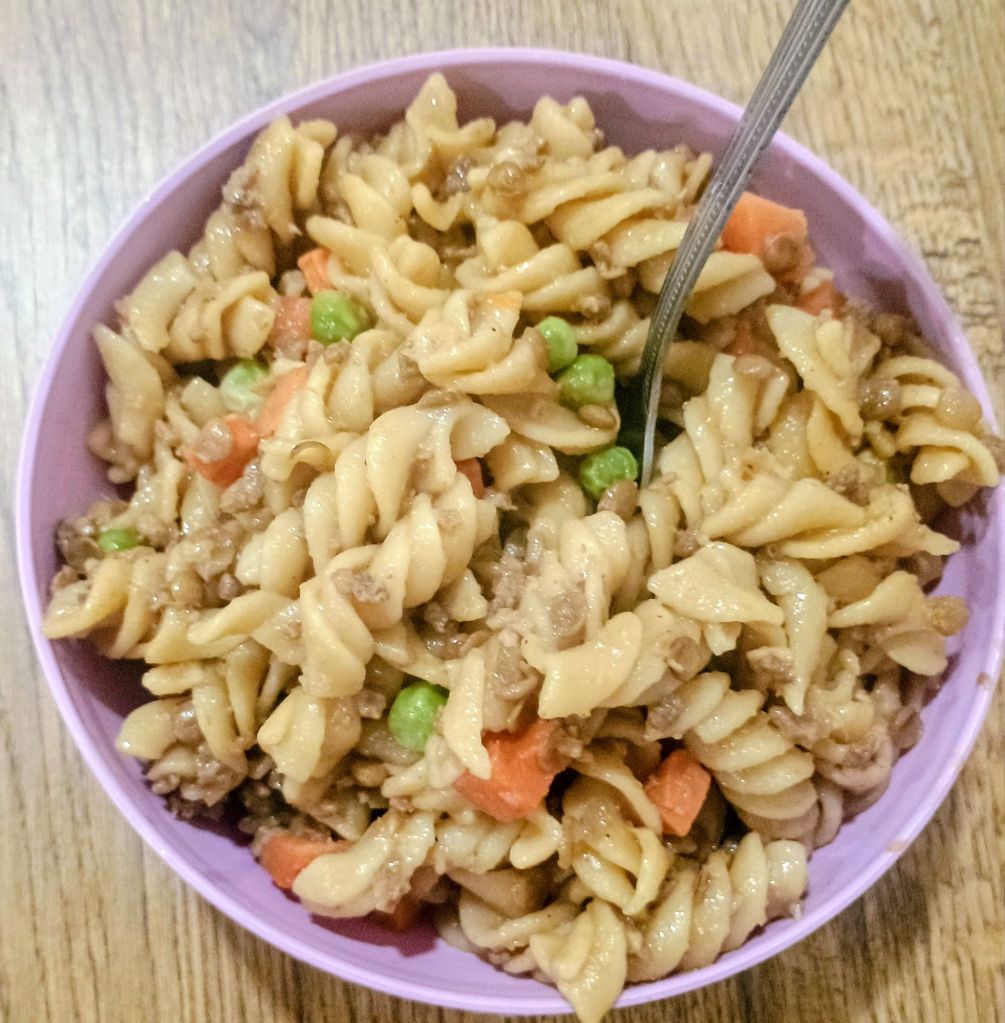
Spaghetti, egg noodles, or linguine can be used, but really almost any kind of pasta will work. I’ve made Yakisoba using Rotini, Fussili, and Penne before. It may change the appearance and texture of the meal, but the nutrition and taste remain the same.
Directions:
Boil pasta, drain and set aside, brown meat, add a splash or 2 of sauce, add veggies and stir until desired, add desired spices, add cooked noodles, add splashes of more sauce until properly coated, stir until done. Should be enough food for 1 to 4 people.
There’s different ways to make Yakisoba, so experiment and find the version that works best for you. I personally like using ground beef or turkey, soy sauce, a little hot sauce, spaghetti noodles, onion slices, and frozen mixed vegetables. It cooks quickly , tastes good, and is filling.
I learned how to make a variation of Yakisoba in the military, and have been making variations of it years later. I always enjoyed making it, and in most cases I finished it by myself. Yes, I need to lose weight. Enjoy!

 HETTY
HETTY 
You must be logged in to post a comment.