Tag: Technology

  • My Robot Hobby

    My Robot Hobby

    Describe the most ambitious DIY project you’ve ever taken on.

    I’m a fairly creative person. I’m not highly creative; I know that there’s people out there who are more so. But I have written certain papers and I’m technically published, cooked different foods, created my own songs, painted and drew over the years, gathered supplies for my own Halloween costumes and makeup, and I’m dabbling in AI generated written articles, images, and videos.

    I also “drew” the first few pages of a comic book that went nowhere when I was a teenager.

    However, I would say that my robot hobby is the most ambitious project I’ve done. Yes, I build kits and sets, although I have tried to make simple designs using a single hobby motor, gears, and hobby supplies like glue, paper clips, plastic lids, and popsicle sticks.

    Robotics is one of my special interests, and I’m proud that I was able to complete 8 robot projects, although I made several more science based mechanisms, and I had some botched projects.

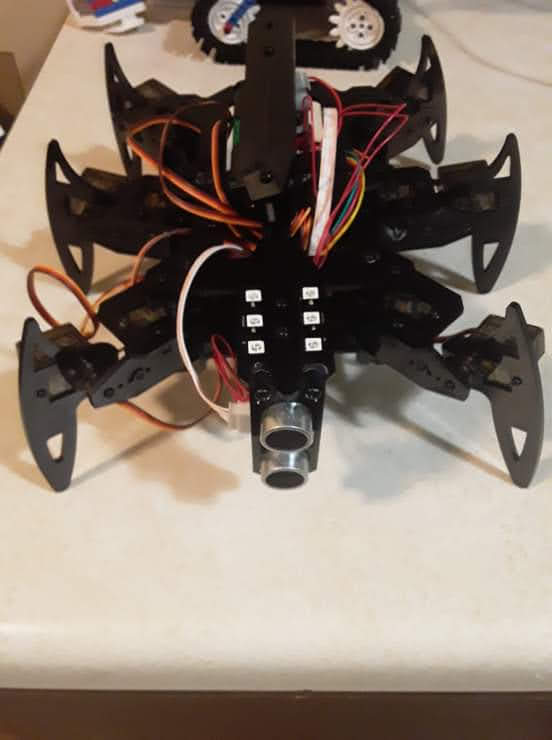
    The most ambitious robot was a black plexiglass Hexapod (six legs). 13 motors, LED lights, an Ultrasonic sensor, and a Arduino clone circuit. It did require programming in C++ and Python.

    That was a difficult project, and while it could move somewhat, and I could make the LED lights turn on, it couldn’t move fully. I was disappointed of what I could do with the Hexapod kit, so I ended up discarding it during a move.

    Robotics is hard, but I’m proud of what I could do with little formal education, and limited resources. I know that there’s robots currently being made that are more advanced and expensive than what I made, but I was able to accomplish things I couldn’t dream about 15 years ago.

    For example, I built a type of robot that I could voice control using an app, and a “Whegged”robot that could crawl on different terrain like grass and rocky terrain. I made a cargo type of treaded robot that could carry lightweight objects like drinks and articles of clothing.

    I’ll keep dreaming and trying new things. Maybe it can lead to something in the future.

  • The World Needs Misfits

    What advice would you give to your teenage self?

    Oh, I would have to make a list of the things I would tell my younger self. But I’ll start with changing the mindset about loneliness. Being alone can be an advantage in some ways , and I developed in such a way that I can tolerate isolation better than others. Maybe not try so hard to make friends and date. It will happen in time with less pressure.

    Save money as much as possible. I fell for the materialistic creed, and thought that I would always be fairly comfortable financially. There were definitely lean times in my life, and there may be more in the future. So try to be more frugal.

    Study engineering in university. I wouldn’t say that I have a talent in engineering, more like a general interest that could have developed further with formal schooling. Maybe I could have worked as in robotics, materials science, or even in artificial intelligence. There’s more opportunities for engineers than the other fields I studied.

    Don’t smoke or toke, no matter how stressed or upset you get. I developed bad habits in my late teens and twenties, mainly cuz I don’t cope with stress well. I didn’t know that those habits would cause more stress and difficulty over time, plus I would be able to save money if I didn’t develop those habits. I didn’t fully understand how a mind could be addicted to substances.

    Read more science and philosophy. I read a lot, but the stuff I was reading as a teenager is different than what I read now. I would recommend Bertrand Russell, Arthur Schopenhaur, Albert Camus, and maybe some other ones, since their works would help me understand the world better, and help me cope with problems I would have throughout my life. I could have developed a different mentality.

    Walk more, and be more creative. I still love music, but I can barely play. I could have developed my music skill more, maybe using studio software. And walking and biking seem to exercise that I can tolerate. Paint, draw, and write, maybe some opportunities would come up.

  • The Curse of being Atypical.

    What bores you?

    So, what bores me? It’s more like what doesn’t bore me. I have been more selective of how I spend my free time.

    Formal education bores me. I went to school for several years, including a technical college and university. Going to lectures, listening to 2 or 3 professors or teaching assistants per day lecture for hours at a time, sometimes reading about subjects that can be tedious. It often took an innovative or charismatic teacher for me to pay attention in class, or I took a course that I have familiarity and interest in.

    Sports bore me. While some people find athletic teams and individuals fascinating, I often don’t. It’s more like I count how many sport injuries can happen during a game or match.

    Many television shows and oftentimes movies can bore me. Television comedies seem to be my go-to, but it has to be very funny for me to keep sustained interest.

    While I used to like movies, I think I saw so many over decades that I can predict plot twists and movie tropes. I maybe see one or 2 movies a year now, and they tend to be the blockbuster type of film. I was bored seeing the second Avatar movie, it was so long.

    I read everyday, but I find books boring now. I don’t think I have the attention span to read novels, but I will read the occasional non-fiction book. I may not finish though, but I will read up on summaries and profound quotes after. And certain articles are Too Long; Didn’t Read, so I’ll skip to the last 2 paragraphs.

    I tended to job hop after 18 months-2 years in most cases, cuz I would grow bored with the routine over time. I would get excited at first once I got a job, I would then learn the routines, and over time have contempt over the routine. And often the pay wasn’t good enough for me to tolerate the stress and boredom and stay longer.

    What else? Some music genres can be uninteresting for me, like Country music, Folk, Jazz. While I was a fan of the early days of Rap and HipHop, it seems like even the modern artists these days are going through the motions.

    I partly left the US cuz I found my newer residence boring. When shopping and eating are the main pastimes there, I was ready to move after 5 years. Nice weather though.

    Maybe it’s me. I lived too long, had my fill of experiences, and became burnt out and world weary. It’s harder to find interesting things about living on Earth. I will probably dabble more in virtual reality in the near future, if I can afford it. Longing for the Holo-Deck, or Death. Whichever comes first….

  • Hetty Green: “The Witch of Wall Street”

    Hetty Green: “The Witch of Wall Street”

    I’m going to diversify the topics of articles on my blog, and write about the inspiration for the name of my blog. HETTY was named after Henrietta “Hetty” Green, an American investor and secret philanthropist during the late 19th and 20th century. At one time, she was the wealthiest woman in the US.

    I did limited research about her, but what I’ll write what I know. She came from a wealthy Quaker family based in Massachusetts, and received an 6 million$ inheritance after the deaths of her father and aunt in 1865. She was educated enough in finance by her father and grandfather to make her own investment decisions in her own modest home or in banks, and invested in mortgages, real estate, government bonds, railroad stocks, and other diverse investments.

    In 1867, she married Edward Henry Green, and soon after had 2 children, Edward Green II and Sylvia. It’s notable that her husband was also wealthy, but they kept their finances separate, and there was a pre-nuptial contract before the marriage. Hetty continued to invest and live frugally.

    Hetty was a shrewd investor, and she was known to have lived an extremely frugal lifestyle, bordering on miserliness. She ate simple meals (oatmeal is rumored to be part of her regular diet), lived in modest housing with her family, avoided paying for hot water and electricity, and after her husband died, she wore a single simple black mourning dress daily until it had to be replaced with other simple clothing.

    She may have been a miserly money hoarder, but she was also a financial genius, succeeding in an industry dominated by men. The media and business rivals of the time spread rumors about her extreme frugality, but she lived a simple life based on her Quaker upbringing. I see the frugal traits of Warren Buffet and the Financial Independence, Retire Early movement in her modest way of life.

    She was also misunderstood during her time. She did anonymously donate to charities in her life, and her 2 grown children later donated the majority of their 100 million dollar inheritance to various charities after Hetty Green’s death in 1916.

    I chose HETTY as the name as my blog, cuz I believe in Hetty Green’s philosophy of living as frugal as possible, lifelong learning, and low key generosity. I sometimes post articles at times about financial advice, money saving lifehacks, and ways to make and save money.

    Hetty Greene died in 1916 at her son’s home. She was able to turn a 6 million dollar inheritance into a fortune of over 100 million dollars. Adjusted for inflation in today’s dollars, that is over 2 billion dollars.

    Was Hetty Green truly a Witch, or the Queen of Wall Street?

  • ShowTime Pizza!

    ShowTime Pizza!

    Share one of the best gifts you’ve ever received.

    I went to ShowTime Pizza Place as a kid, likely after getting on my parents’ case begging to go. I remember being told no more than once, they can’t afford it. Understandable now, I didn’t understand at 8 years old. 50$ was a bigger chunk of change then.

    ShowTime Pizza was a family friendly Pizzeria with a gimmick. It had a video game arcade with many of the most popular cabinet video games at the time- Pac-Man, Space Invaders, Donkey Kong, Joust, Defender, Burger Time, Sinistar and so on. Maybe some more obscure games that I don’t remember playing.

    It also had a dining hall with a stage featuring singing and talking Animatronic Animal Characters, like Billy Bob Brockali, Looney Bird, Rolfe DeWolfe, and various other animal characters. These animatronic characters, along with the Chuck E Cheese Animatronics, were the inspiration for the antagonistic robots in Five Nights at Freddies “horror” movies and video games.

    No, I never thought the animatronics were creepy. I thought of the furry characters as robots, which I continue to be fascinated by.

    Anyways, my parents gave in, and I was able to go to ShowBiz Pizza Place for my 9th birthday. I remember the Pepperoni pizza and pitchers of Pepsi were tasty enough for a grade school kid. I remember being proud that I could eat 4 slices of pizza then.

    I loved the video games, of course, and tried and failed to play the Legendary laser disk game Dragon’s Lair. I loved the Don Bluth animation, and that game ate up many of the tokens my parents gave me. I couldnt go far with that game though.

    But what I remember the most about that pizza party at ShowBiz Pizza, was during the birthday meal, “The Rock-afire Explosion” band “talked and sang” to me directly to wish me a happy birthday. And I remember being touched by the nice gesture and being near tears that my parents cared enough about me to arrange the birthday shout-out with the Pizzeria staff.

    So, yes, I enjoyed my time at ShowBiz Pizza, and I understand that it later merged With Chuck E. Cheese Pizza. One of those nostalgic fond memories, and it also contributed to my interests in robots, video games, comedy, and good food.

  • Financial Anxiety

    Write about your approach to budgeting.

    I live on 2 pensions, and I’m grateful I have them. I’m a disabled veteran with a good number of invisible disabilities. Maybe the fact that I wear hearing aids is the most evidence that I have a long list of physical, psychological, and neurological disabilities.

    Unfortunately, I have debt and bills, but I live a decent lifestyle so far. About a third of my monthly income goes towards debt, phone bill, insurance, and other fees, a third goes towards rent and other expenses, and then a third on food, transportation, entertainment options.

    Every month, I use the calculator on my phone to figure out my monthly budget. It’s based on financial anxiety, cuz I try to figure out my expenses after I pay my bills and rent, and see if I have enough to have any disposable income.

    The expenses vary month to month. Some months I stick to a budget, other times I go over and have to use credit or cut expenses elsewhere. I cook my own meals more often (food service experience has come in handy), I tend to buy the cheapest food products of foods I will likely eat. I will shop at thrift stores and discount supermarkets. I buy the cheapest brand of cigarettes, or switch to vaping if it’s the cheaper option.

    I have a smaller amount left over for fun money, and sometimes I help out family and friends. I’m treading water financially, but I lived through worse. It’s at the point where I’m looking into passive income and side gig work.

    I wish that I was better with money, but at the same time don’t want to give up certain comforts and conveniences. I have made small investments that I hope pay off, and I hope that I have the wisdom, connections, and funds to see a good bargain or opportunity in the future.

  • Smart Money Moves: Budgeting, Debt Payoff, and Building Passive Income for Financial Freedom

    Smart Money Moves: Budgeting, Debt Payoff, and Building Passive Income for Financial Freedom

    Achieving financial freedom is a goal that many aspire to, but few know where to start.

    The journey begins with making smart money moves- strategic steps that lay a strong foundation for long-term wealth and security.

    In this comprehensive guide, we’ll explore the essential pillars of financial success: effective budgeting to take control of your spending, proven strategies for paying off debt to lighten your financial load, and creative ways to build passive income streams that work for you around the clock.

    Whether you’re just starting out or looking to refine your financial habits, understanding and implementing these key principles can transform your money mindset and set you on the path to true financial independence.

    1. Introduction: The Path to Financial Freedom

    Achieving financial freedom is a goal that many aspire to but often find elusive without a clear plan and disciplined approach. It’s not just about earning more money; it’s about making smart decisions with the money you already have.

    This journey begins with understanding your current financial situation, setting realistic goals, and developing habits that promote long-term wealth and security. In this blog, we’ll explore essential strategies for budgeting effectively, paying off debt systematically, and building streams of passive income that work for you around the clock.

    By taking control of your finances step-by-step, you can create a sustainable path toward financial independence and enjoy the peace of mind that comes with it.

    Whether you’re just starting out or looking to refine your financial approach, this guide will equip you with the tools and insights needed to make confident, smart money moves.

    2. Understanding the Importance of Budgeting

    Budgeting is the cornerstone of sound financial management and the first crucial step toward achieving financial freedom. By creating a clear and realistic budget, you gain a comprehensive view of your income, expenses, and spending habits. This awareness enables you to make informed decisions, prioritize your financial goals, and avoid unnecessary debt.

    A well-planned budget helps you allocate funds efficiently- ensuring that essential expenses are covered, debt payments are made on time, and savings are consistently built. Moreover, budgeting instills discipline and control, reducing financial stress and empowering you to take proactive steps toward debt payoff and investing in passive income streams.

    Whether you use a simple spreadsheet, a budgeting app, or pen and paper, the key is to track your money regularly and adjust your budget as your circumstances evolve.

    Ultimately, understanding and embracing budgeting lays the foundation for a secure financial future and opens the door to lasting financial freedom.

    3. How to Create a Realistic and Effective Budget

    Creating a realistic and effective budget is the cornerstone of achieving financial freedom. The key is to develop a plan that reflects your actual income, expenses, and financial goals, while still allowing some flexibility for unexpected costs.

    Start by tracking your spending for at least a month- this will give you a clear picture of where your money is going and help identify areas where you can cut back. Next, categorize your expenses into fixed costs (like rent, utilities, and loan payments) and variable costs (such as dining out, entertainment, and shopping).

    From there, set realistic spending limits for each category based on your priorities and financial objectives. Remember, the goal isn’t to restrict yourself completely but to create a sustainable plan that balances saving, debt repayment, and everyday living.

    Regularly reviewing and adjusting your budget ensures it stays aligned with any changes in your income or lifestyle, keeping you on track toward building passive income streams and ultimately securing your financial future.

    4. Tracking Your Expenses and Adjusting Your Budget

    Tracking your expenses and adjusting your budget is a crucial step toward achieving financial freedom. Without a clear understanding of where your money is going each month, it’s nearly impossible to make informed decisions about saving, paying down debt, or investing for passive income. Start by recording every expense, no matter how small, for at least a month. Use budgeting apps, spreadsheets, or even a simple notebook- choose a method that fits your lifestyle and keeps you consistent.

    Once you have a detailed picture of your spending habits, analyze the data to identify areas where you can cut back or reallocate funds. Maybe you’re spending more than you realized on dining out, subscriptions, or impulse purchases. Adjust your budget accordingly by setting realistic limits and prioritizing essential expenses and financial goals.

    Remember, budgeting isn’t a one-time task; it’s an ongoing process that requires regular review and tweaking. As your income, expenses, or goals change, your budget should evolve too. By staying diligent with tracking and flexible with adjustments, you’ll be better equipped to manage your finances, reduce debt faster, and build a solid foundation for generating passive income streams that lead to lasting financial freedom.

    5. Strategies for Paying Off Debt Quickly

    Paying off debt swiftly is a crucial step toward achieving financial freedom, and adopting effective strategies can make this process more manageable and less stressful.

    One popular method is the **debt snowball approach**, where you focus on paying off your smallest debts first while making minimum payments on larger balances. This tactic helps build momentum and motivation as you celebrate small wins, encouraging you to keep going.

    Alternatively, the **debt avalanche method** targets debts with the highest interest rates first, reducing the total amount of interest paid over time and potentially saving you money in the long run.

    In addition to choosing a payoff strategy, creating a detailed and realistic budget is essential. By tracking your income and expenses, you can identify areas to cut back and free up extra money to put toward debt repayment.

    Consider allocating any windfallslike tax refunds, bonuses, or side hustle earnings- directly to debt, accelerating your progress.

    Another effective tip is to negotiate with creditors for lower interest rates or more favorable payment terms. Sometimes, simply asking can lead to reduced rates or waived fees, which can significantly impact your payoff timeline.

    Lastly, avoid accumulating new debt during this period by minimizing credit card use and focusing on living within your means.By combining these strategies and staying disciplined, you’ll be able to reduce your debt burden quickly and pave the way toward a more secure and prosperous financial future.

    6. Prioritizing High-Interest Debt vs. Low-Interest Debt

    When it comes to managing your debt effectively, understanding the difference between high-interest and low-interest debt is crucial. High-interest debt- such as credit card balances, payday loans, or some personal loans- can quickly spiral out of control if left unchecked, as the interest compounds rapidly and increases the total amount you owe. On the other hand, low-interest debt, like many student loans or mortgages, typically accrues interest at a much slower rate, making it less urgent to pay off immediately.

    Prioritizing high-interest debt first is often the smartest financial move. By focusing your extra payments on these debts, you reduce the overall interest you’ll pay over time, freeing up more money in your budget sooner. This approach, commonly known as the “debt avalanche” method, helps you become debt-free faster and saves you money in the long run.

    However, personal circumstances and psychological factors can influence this decision. Some prefer the “debt snowball” method, which involves paying off smaller balances first for quick wins and motivation, even if those debts have lower interest rates.

    The key is to create a strategy that keeps you committed to reducing debt while minimizing interest costs.Ultimately, by prioritizing high-interest debt repayment, you’re taking a proactive step toward financial freedom, freeing up resources to invest in building passive income and achieving long-term financial goals.

    7. The Snowball vs. Avalanche Debt Payoff Methods

    When it comes to paying off debt, two popular strategies often come up: the Snowball method and the Avalanche method. Both approaches aim to help you become debt-free, but they differ in focus and psychological impact, so understanding each can help you choose the best fit for your financial situation and mindset.

    **The Snowball Method** involves paying off your smallest debts first, regardless of interest rates. You make minimum payments on all your debts but put any extra money toward the smallest balance. Once that debt is paid off, you roll the amount you were paying into the next smallest debt, creating a “snowball” effect that grows momentum as you pay off each account. This approach provides quick wins and boosts motivation, which can be incredibly encouraging if you’re feeling overwhelmed by multiple debts.

    **The Avalanche Method**, on the other hand, prioritizes paying off debts with the highest interest rates first. You continue making minimum payments on all debts but allocate extra funds toward the debt with the highest interest rate.

    This method saves you more money over time by reducing the total interest paid, helping you become debt-free faster in the long run.

    Choosing between the two depends largely on what motivates you more: quick psychological wins or long-term financial savings. If staying motivated is your challenge, the Snowball method’s quick payoffs can keep you going. But if minimizing interest and saving money is your top priority, the Avalanche method may be more effective.

    Whichever method you choose, consistency and discipline are key to gaining control over your debt and moving toward financial freedom.

    8. Building an Emergency Fund for Financial Security

    An emergency fund is the cornerstone of a solid financial foundation and plays a crucial role in achieving long-term financial freedom.

    Life is unpredictable- unexpected expenses like medical bills, car repairs, or sudden job loss can strike at any time. Having a dedicated emergency fund ensures that you can handle these surprises without derailing your budget or falling deeper into debt.

    Experts typically recommend saving three to six months’ worth of essential living expenses in an easily accessible account, such as a high-yield savings account. This fund acts as a financial safety net, giving you peace of mind and the confidence to make smarter money decisions without the constant worry of unexpected setbacks.

    Start small if needed; even setting aside a modest amount each month can build up over time. The key is consistency and discipline.

    Once established, your emergency fund not only safeguards your financial security but also empowers you to focus on budgeting wisely, paying off debt, and growing passive income streams with less stress and greater resilience.

    9. Introduction to Passive Income: What It Is and Why It Matters

    Passive income is money earned with little to no ongoing effort, providing a powerful way to build financial stability and ultimately achieve financial freedom. Unlike active income, which requires your direct time and energy- such as a traditional 9-to-5 job- passive income streams continue to generate revenue even when you’re not actively working.

    Examples include rental income from properties, dividends from investments, royalties from creative work, or earnings from online businesses like affiliate marketing or digital products.

    Understanding passive income is crucial because it allows you to diversify your earnings and reduce dependence on a single source of income. This not only helps in creating a safety net during uncertain times but also accelerates your journey toward financial independence.

    By establishing multiple passive income streams, you can build wealth steadily over time, freeing yourself from the constraints of living paycheck to paycheck and giving you the flexibility to focus on what truly matters- whether that’s pursuing passions, spending more time with loved ones, or simply enjoying life on your own terms. In the following sections, we’ll explore practical ways to start building your own passive income streams, tailored to different budgets and lifestyles.

    10. Popular Passive Income Streams to Consider

    When it comes to building financial freedom, creating multiple streams of passive income can be a game-changer. Passive income allows you to earn money with minimal ongoing effort, providing stability and the opportunity to grow your wealth over time. Here are some popular passive income streams to consider:

    **1. Rental Properties:** Investing in real estate can provide consistent monthly income through rent payments. While managing properties may require some work upfront, hiring a property manager can make this income truly passive.

    **2. Dividend Stocks:** By investing in dividend-paying stocks, you can receive regular payouts from established companies. This not only offers income but also the potential for your investment to grow in value.

    **3. Peer-to-Peer Lending:** Platforms that facilitate loans between individuals allow you to earn interest on the money you lend. It’s a way to diversify income sources, though it’s important to assess the risk involved.

    **4. Create Digital Products:** E-books, online courses, or printable templates can be created once and sold repeatedly. This requires initial effort but can generate ongoing revenue without much maintenance.

    **5. Affiliate Marketing:** By promoting products or services through your website or social media channels, you can earn commissions on sales made through your referral links.

    **6. High-Yield Savings Accounts and CDs:** While not as lucrative as other options, these accounts provide a safe way to earn passive income through interest, with minimal risk.

    Exploring these passive income streams can help you build a solid financial foundation and move closer to your goal of financial freedom. Remember, the key is to start small, be consistent, and diversify your income sources to reduce risk and maximize returns.

    11. How to Start Investing for Passive Income

    Investing for passive income is one of the smartest financial moves you can make on your journey to financial freedom. The key is to start small, stay consistent, and choose investment options that align with your risk tolerance and long-term goals.

    Begin by educating yourself about different types of passive income streams, such as dividend-paying stocks, real estate rental properties, peer-to-peer lending, or even creating digital products that generate royalties.

    Before diving in, it’s important to have a clear budget and an emergency fund in place, so you’re financially stable enough to handle market fluctuations and unexpected expenses. Once you’re ready, consider opening a brokerage account or using investment platforms that specialize in passive income assets.

    Many apps and online services make it easy to start with minimal capital and automate your investments, allowing your money to work for you 24/7.

    Remember, investing for passive income is not about getting rich overnight- it’s about building a reliable and growing stream of earnings that can supplement or even replace your active income over time.

    By starting early, reinvesting your returns, and continuously learning, you’ll set yourself up for lasting financial security and the freedom to live life on your terms.

    12. Balancing Active Income and Passive Income Efforts

    Achieving financial freedom requires a thoughtful balance between your active income-money earned through your regular job or business- and your passive income streams, which generate earnings with minimal ongoing effort.

    While active income provides the immediate cash flow necessary to cover daily expenses and invest in opportunities, passive income offers the potential for long-term wealth building and financial security.

    Balancing these two income types starts with recognizing the role each plays in your overall financial plan. Active income is often more predictable and stable, making it the foundation of your budget and debt repayment strategies. However, relying solely on active income can limit your financial growth, especially if unexpected events affect your ability to work.

    On the other hand, cultivating passive income- such as rental properties, dividend-paying stocks, or online businesses-requires upfront time, effort, and sometimes capital, but pays off by generating money even when you’re not actively working.

    The key is to gradually allocate resources from your active income towards building and diversifying these passive streams without jeopardizing your current financial responsibilities.

    Practical steps to maintain this balance include setting aside a portion of your monthly earnings specifically for passive income investments, continuously educating yourself about different passive income opportunities, and regularly evaluating your income sources to ensure they align with your financial goals.

    By wisely managing both active and passive income efforts, you can create a resilient financial ecosystem that supports your journey toward true financial freedom.

    13. Avoiding Common Financial Pitfalls on Your Journey

    Navigating the path to financial freedom is exciting, but it’s also filled with potential missteps that can set you back if you’re not careful. Avoiding common financial pitfalls is crucial to maintaining steady progress toward your goals.

    One of the biggest traps is falling into the cycle of high-interest debt- credit cards, payday loans, or unnecessary personal loans can quickly accumulate and become overwhelming. Prioritize paying off these debts as aggressively as possible to reduce interest costs and free up your budget.

    Another common mistake is neglecting to build an emergency fund. Life is unpredictable, and unexpected expenses- like medical bills, car repairs, or job loss- can derail your finances if you’re unprepared.

    Aim to save at least three to six months’ worth of living expenses to provide a safety net.Additionally, avoid the temptation to chase “get rich quick” schemes or investments that seem too good to be true.

    Financial growth is typically a gradual process, built on consistent saving, smart budgeting, and well-researched investments. Educate yourself, seek advice from trusted financial experts, and stay disciplined.

    Lastly, be wary of lifestyle creep inflation- the tendency to increase your spending as your income grows. While it’s natural to enjoy the fruits of your labor, maintaining a balanced approach will help you allocate more funds toward debt payoff and passive income streams, accelerating your journey to financial independence.

    By being mindful of these common pitfalls and staying focused on your long-term goals, you can avoid setbacks and build a strong, lasting financial foundation.

    14. Tips for Staying Motivated and Consistent

    Staying motivated and consistent on your journey toward financial freedom can sometimes feel challenging, especially when progress seems slow or setbacks occur. However, maintaining a clear vision and adopting practical strategies can keep you on track and energized.

    First, set specific, achievable goals that break down your larger financial objectives into manageable milestones. Celebrate each small victory, whether it’s paying off a credit card or reaching a certain amount in your savings, as these wins build momentum and reinforce positive habits. Additionally, create a routine that incorporates regular check-ins on your budget and financial plans- this keeps your goals top of mind and allows you to make timely adjustments.

    Surround yourself with supportive communities, whether online or in person, where you can share experiences, gain insights, and stay accountable. Remember to remind yourself why financial freedom matters to you personally; visualizing the lifestyle and peace of mind you’re working toward can be a powerful motivator.

    Finally, be kind to yourself-consistency doesn’t mean perfection. Embrace setbacks as learning opportunities and keep moving forward with patience and determination. By cultivating these habits, you’ll build lasting momentum that propels you steadily toward your financial goals.

    15. Conclusion: Taking Control of Your Financial Future

    Taking control of your financial future is both empowering and achievable when you commit to smart money moves. By establishing a realistic budget, you gain clarity over where your money is going and create a roadmap that aligns with your goals.

    Tackling debt head-on not only relieves financial stress but also frees up resources that can be redirected toward building wealth.

    Equally important is cultivating streams of passive income, which provide financial stability and the freedom to pursue what truly matters to you. Remember, financial freedom isn’t an overnight destination- it’s a journey that requires discipline, patience, and informed decisions.

    Embrace these principles consistently, and you’ll pave the way toward a secure, prosperous future where your money works for you, not the other way around.

    Your financial independence starts today.Achieving financial freedom is a journey that begins with making smart money moves, and by mastering the essentials of budgeting, debt payoff, and building passive income, you’re well on your way to taking control of your financial future.

    Remember, consistency and discipline are key- each step you take brings you closer to a life of greater security and opportunity.

    Whether you’re just starting out or looking to refine your strategy, implementing these proven practices can transform your financial landscape and empower you to live life on your own terms.

    Here’s to making informed decisions today for a wealthier, more fulfilling tomorrow! ~H
  • Legal Corporate Personhood

    If you had the power to change one law, what would it be and why?

    Ok, this is a thinker, and I had to research this some. I’m not a lawyer or work in law, so I hope that this makes sense.

    I would change the concept of Legal or Juridical Personhood. It is a legal concept that’s the foundation of a number of laws in different countries, including the 14th Amendment in the US. By law, corporations, non government organizations, colleges, hospitals, churches, and really any non human entity like rivers can be granted Personhood if it has certain qualities like paying taxes and owning property. It’s a concept that seems to exist in business, government, and the judiciary.

    It’s by law a fictional type of person. But this concept has powers that real persons do not, like surviving the deaths of owners and corporate members, and since many of these corporations ( not all) focus on profit and property, they often have more resources than real working people do. So they do have more power and resources than the ordinary person does.

    They can hire lobbyists to influence government, invest more in political ads on different media, donate to candidates in their favor , have the resources to hire top lawyers, own much more property than the average person, have better access to bank loans and political deals, and sometimes be a monopoly in a certain business.

    It just seems unfair to have the needs of fictional abstract “persons” to often take priority over real persons. So I would change that part of the law. Corporations are organizations with certain mechanisms that help with a goal, like making profit, or accomplishing a mission like healthcare. They are the legal equivalent of a bot. ~H

  • A Home for the 21st century

    Write about your dream home.

    I’m not a home owner and never been a homeowner, and I prefer to rent. There’s advantages to renting. But if I could afford my dream home, it would be a modular home. Those interest me, what I know of them. The capacity to add on more square footage to a home, maybe one bedroom to start, and adding 2 or more bedrooms over time. The beds are comfortable memory foam.

    I would like the home to be energy independent and efficient, so I would add solar panels, solar heating, and battery storage. Also heat pumps depending on what region of the world I would live.

    I would like to have the property on at least 2 acres of land, with a garden to grow plants, vegetables, and maybe even egg laying chickens.

    To prepare for any potential emergencies, I would like to have an emergency shelter buried deep underground, with water filters and a storage of non perishable food that can be stored for several weeks, maybe up to a year.

    I would like a spacious living room with a decent entertainment center and comfortable seating, although I don’t need the state of the art with that. Just a game console or 2, and the ability to stream movies. But I prefer to have a fully equipped kitchen with a decent refrigerator and freezer. I or my potential spouse will try to cook more meals at home.

    It would be nice to live in a pleasant suburb near a large city, like Chicago, Las Vegas, or Boston. Maybe possibly in another country, since I’ve been traveling.

    I would like to have WIFI throughout the home, of course.

    A balcony and/or patio, with the ability to grill out if I wanted to. A fenced in backyard, and in a decent neighborhood. And this dream home probably already costs at least a million dollars in the US. It’s good to dream though.

  • Get a DNA test done.

    Something on your “to-do list” that never gets done.

    I’m curious about my genetic history, including my full ethnic background going back hundreds or even thousands of years , and my genetic propensity for certain diseases and conditions that may happen in the future. So I would in time like to get a DNA test done. I keep on putting it off.

    I already participated in 2 genetic studies that use genetic samples I’ve given- SPARK and the Million Veteran Program- because I’m an US veteran with an Autistm Spectrum Disorder. Unfortunately, the results of my donated DNA aren’t available to me, since it’s confidential information. But I would l like to do a private DNA test.

    So why haven’t I done a DNA test yet? It’s always a money problem. I never seem to have enough money to pay for a DNA test. And as I understand, 23 & Me is one of few private companies that offer analysis of DNA samples, but it recently had financial woes.

    Getting a DNA test done is more of a want than a need. One of these days, I’ll get a test done. I hope so.

  • The Internet Is My Best Friend

    What do you enjoy doing most in your leisure time?

    It’s true. I read a lot, and the internet has plenty of reading material. I learn about various subjects of interest, and will occasionally read about subjects that doesn’t necessarily interest me, yet has interesting click bait headlines. Like I probably have more knowledge about nutrition, life hacks, and epidemiology than the average person.

    Theres videos, images, music and audio files, various apps like video games. I don’t even use streaming apps so much, but I could use them if I wanted to.

    I’m using AI apps more often, cuz I do queries for information, or it visualizes ideas I have. Yes, I have a distrust for AI, but curiosity got the best of me. And I have a rationale for using it as much as I have.

    Oh, I have family and a few friends. I’m not around them as much as I like, but I’ll text or video chat with them.

    Like many people, I’m on my phone or computer often, cuz it helps with boredom. Like cigarettes for me, the internet is the friend that’s always there. It has enriched my life in certain ways, although there are some aspects of IT tech that annoy or disturb me. Other parts I plain don’t use.

    Because of the Internet, I’m more knowledgeable about various subjects. I have my favorite apps and websites. The Internet is a positive in my life. Now if only I can figure out a way to make a better livelihood using it….

  • Ultimate Life Hacks: Smart Tips for Food, Housing, Money, Transportation, and More

    Ultimate Life Hacks: Smart Tips for Food, Housing, Money, Transportation, and More

    In today’s fast-paced world, finding clever ways to simplify daily challenges can make all the difference in enhancing your quality of life. Whether it’s saving money on groceries, making your home more comfortable and efficient, managing your finances wisely, or navigating transportation with ease, smart life hacks can help you do it all with less stress and more success. This comprehensive guide brings together the ultimate life hacks across essential areas like food, housing, money, transportation, and beyond- offering practical tips and innovative ideas that anyone can use to streamline their routines and boost productivity. Get ready to discover simple yet powerful strategies that will transform the way you live, work, and thrive every day!

    1. Introduction: What Are Life Hacks and Why They Matter.

    In today’s fast-paced world, finding simple and effective ways to make everyday tasks easier can save you time, money, and stress. That’s where life hacks come in. Life hacks are clever tips, tricks, or shortcuts that help you streamline your daily routines, solve common problems, and improve your overall quality of life. Whether it’s discovering a new method to keep your food fresh longer, finding affordable housing solutions, managing your finances smarter, or navigating transportation more efficiently, life hacks empower you to live smarter, not harder. We’ll explore a variety of practical life hacks across different areas- food, housing, money, transportation, and more- so you can unlock new ways to simplify your life and boost your productivity. Let’s dive in and start making everyday living a little bit easier!

    2. Food Hacks: Saving Time and Reducing Waste

    When it comes to food, smart hacks can not only save you precious time but also help reduce waste, making your kitchen more efficient and eco-friendly. One of the simplest ways to save time is meal prepping. By dedicating a couple of hours each week to prepare and portion meals in advance, you eliminate the daily scramble of deciding what to cook, making mealtime stress-free and faster. Additionally, organizing your fridge and pantry by grouping similar items together and labeling leftovers with dates can prevent forgotten food from spoiling.Reducing waste goes hand in hand with smart shopping habits. Plan your grocery list based on meals you intend to cook, and stick to it to avoid impulse buys that often end up unused. Another great tip is to get creative with leftovers- transform yesterday’s roast vegetables into a hearty soup or blend overripe fruits into smoothies. Using airtight containers and freezing excess food can also extend shelf life and keep your ingredients fresh longer. By integrating these food hacks into your routine, you’ll save money, cut down on waste, and enjoy more time doing what matters most.

    3. Housing Hacks: Making Your Space Work Smarter

    Creating a comfortable and efficient living space doesn’t have to mean a major renovation or expensive upgrades. With a few smart housing hacks, you can make your home work smarter for you, maximizing functionality while saving time and money. Start by decluttering and organizing your belongings. This simple step instantly opens up your space and reduces stress. Utilize multi-functional furniture like storage ottomans, fold-out desks, or sofa beds to get more out of every square foot. Don’t overlook vertical space; installing shelves or hanging organizers can free up floor area and keep essentials within easy reach. For renters, removable hooks and peel-and-stick tiles offer stylish ways to personalize your space without risking your security deposit. Finally, consider energy-saving solutions such as LED lighting, programmable thermostats, or draft stoppers to help reduce utility bills. With these practical tips, your home will become a smarter, more comfortable sanctuary tailored to your lifestyle.

    4. Money Hacks: Budgeting and Saving Strategies

    Managing your money wisely is a cornerstone of financial stability and peace of mind. Effective budgeting and saving strategies can help you take control of your finances, reduce stress, and build a secure future. Start by tracking your income and expenses meticulously- this gives you a clear picture of where your money is going each month. Use budgeting apps or simple spreadsheets to categorize your spending and identify areas where you can cut back.One smart money hack is the 50/30/20 rule: allocate 50% of your income to necessities like housing and food, 30% to discretionary spending, and 20% to savings and debt repayment. Automating your savings by setting up direct transfers to a separate savings account ensures you pay yourself first without the temptation to spend. Additionally, consider setting specific financial goals, such as building an emergency fund, saving for a vacation, or investing for retirement, to stay motivated and focused.Another valuable tip is to regularly review your subscriptions and recurring expenses. Cancel any services you no longer use or need, and look for more affordable alternatives. Finally, take advantage of cashback programs, discounts, and rewards to stretch your dollars further. By adopting these budgeting and saving strategies, you’ll be well on your way to mastering your finances and achieving your money goals with confidence.

    5. Transportation Hacks: Getting Around Efficiently and Economically

    Navigating daily life can often become a hassle, especially when it comes to transportation. Fortunately, there are plenty of smart hacks to help you get around efficiently and economically. First, consider using public transit whenever possible- buses, trains, and subways not only reduce your carbon footprint but also save you money on gas, parking, and car maintenance. Many cities offer discounted monthly or yearly passes that can significantly cut costs if you commute regularly.Another great tip is to explore bike-sharing programs or invest in a quality bicycle for short to medium distances. Biking is not only cost-effective but also boosts your health and helps you avoid traffic congestion. For longer trips, carpooling or ride-sharing apps can be a win-win, splitting costs while reducing the number of vehicles on the road.If you own a car, regular maintenance is key to keeping it fuel-efficient and avoiding costly repairs down the line. Simple habits like keeping your tires properly inflated, driving at steady speeds, and removing unnecessary weight from your vehicle can improve gas mileage.Lastly, plan your trips to combine errands or appointments in one outing, minimizing unnecessary travel. Using navigation apps that provide real-time traffic updates can help you avoid delays and save time.By incorporating these transportation hacks into your routine, you can enjoy smoother commutes, reduce expenses, and contribute to a greener environment- all while keeping your daily life running efficiently.

    6. Tech Hacks: Using Technology to Simplify Daily Tasks

    In today’s fast-paced world, technology offers countless tools and apps designed to make everyday tasks easier and more efficient. From managing your grocery list to automating bill payments, embracing tech hacks can save you time, reduce stress, and even help you save money. For instance, smart home devices like voice-activated assistants can control lighting, set reminders, and manage your calendar without lifting a finger. Meal planning apps not only help you organize recipes but can also generate shopping lists based on what you need, reducing food waste and trips to the store. Financial apps track your spending habits, alert you to upcoming bills, and provide budgeting insights tailored to your goals. Even transportation can be simplified with ride-sharing apps that help you find the quickest route or carpool options to cut costs. By integrating these technology solutions into your daily routine, you can streamline chores, stay organized, and free up more time for the things that truly matter.

    7. Health and Wellness Hacks: Boosting Energy and Reducing Stress

    Maintaining your health and wellness is essential for a balanced and fulfilling life, especially when juggling the demands of daily routines. Simple yet effective habits can significantly boost your energy levels and reduce stress, helping you feel more focused and vibrant throughout the day. Start by prioritizing quality sleep- aim for 7 to 8 hours each night to allow your body and mind to rejuvenate. Incorporate short bursts of physical activity, like a quick walk or stretching breaks, which can increase circulation and release endorphins that elevate your mood. Mindfulness practices such as meditation or deep breathing exercises are powerful tools to calm the mind and manage stress effectively. Additionally, nourish your body with balanced meals rich in whole foods, avoiding excessive caffeine and sugar that can lead to energy crashes. Staying hydrated is equally important, as dehydration often masquerades as fatigue. By integrating these health and wellness hacks into your daily routine, you’ll empower yourself to tackle challenges with greater resilience and vitality.

    8. Organization Hacks: Decluttering and Staying Productive

    Staying organized is one of the most powerful life hacks you can adopt to boost your productivity and reduce stress. Decluttering your living and workspaces helps create an environment that fosters focus and creativity. Start by tackling one small area at a time- whether it’s your desk, kitchen counter, or closet- and sort items into categories: keep, donate, or discard. Remember, the goal isn’t just to tidy up, but to create systems that make it easy to maintain order.Investing in storage solutions like labeled bins, drawer organizers, and shelves can make a huge difference in keeping things in their place. Digitally, organize your files and emails into folders so that important information is easy to find when you need it. Establish daily or weekly routines for tidying up, as consistent habits prevent clutter from piling back up.By decluttering and organizing your physical and digital spaces, you free up mental space and time. This clarity allows you to focus on what truly matters, turning you into a more productive, efficient, and calm individual ready to tackle your goals with confidence.

    9. Shopping Hacks: Getting the Best Deals and Avoiding Impulse Buys

    Mastering the art of shopping smartly can save you a significant amount of money and help you avoid the pitfalls of impulse buying. One of the most effective strategies is to plan ahead- make a detailed shopping list before you head out or start browsing online. This keeps you focused on what you truly need and reduces the temptation to pick up unnecessary items. Additionally, take advantage of price comparison tools and apps that help you find the best deals across multiple retailers without wasting time.Another powerful hack is to subscribe to newsletters and loyalty programs from your favorite stores. These often provide exclusive discounts, early access to sales, and personalized coupons that can add up to substantial savings over time. Timing also plays a crucial role; learning when seasonal sales, holiday discounts, and clearance events occur allows you to stock up on essentials and big-ticket items at the lowest prices.To avoid impulse buys, try implementing a waiting period for non-essential purchases- give yourself 24 to 48 hours to decide if an item is really necessary. This cool-down period helps curb emotional spending and ensures your money goes towards what truly adds value to your life. By combining thoughtful planning, smart use of technology, and self-discipline, you can become a savvy shopper who consistently gets the best deals while steering clear of wasteful spending.

    10. Time Management Hacks: Maximizing Your Day

    Effective time management is a game-changer when it comes to maximizing productivity and reducing stress throughout your day. Start by prioritizing your tasks- identify the most important and urgent activities, and tackle those first. Utilize tools like to-do lists, planners, or digital apps to keep track of your responsibilities and deadlines. Breaking larger projects into smaller, manageable chunks can make overwhelming tasks feel more achievable and help maintain steady progress.Another powerful hack is the Pomodoro Technique: work in focused intervals, typically 25 minutes, followed by a 5-minute break. This method enhances concentration and prevents burnout. Additionally, minimize distractions by creating a dedicated workspace and setting boundaries with family or roommates during work periods.Remember to schedule regular breaks and downtime to recharge your mind and body, which ultimately boosts overall efficiency. By implementing these time management strategies, you can make the most of each day, balancing work, personal life, and self-care with greater ease.

    11. Travel Hacks: Traveling Smarter and Cheaper

    Traveling can be one of the most rewarding experiences, but it often comes with a hefty price tag and a fair share of stress. Fortunately, with a few smart travel hacks, you can make your trips both cheaper and smoother. Start by booking flights and accommodations well in advance, and use price comparison websites to snag the best deals. Be flexible with your travel dates and destinations- sometimes shifting your plans by just a day or two can lead to significant savings. Consider alternative airports or nearby cities to find cheaper flights or lodging options. Packing light not only saves on baggage fees but also makes moving around easier and less stressful. Utilize travel apps that help track prices, organize itineraries, and even find local discounts or off-the-beaten-path attractions. Lastly, embrace public transportation or rent bikes to explore your destination economically while getting a more authentic local experience. By incorporating these travel hacks, you’ll enjoy smarter, more affordable adventures every time you hit the road.

    12. Social Life Hacks: Building Stronger Relationships

    Building stronger relationships is an essential part of living a fulfilling and balanced life. Whether it’s with family, friends, colleagues, or new acquaintances, nurturing these connections can significantly enhance your emotional well-being and support network. One simple yet powerful social life hack is to practice active listening- truly paying attention when someone is speaking, showing genuine interest, and responding thoughtfully. This creates deeper bonds and fosters trust.Another effective tip is to prioritize quality over quantity in your social interactions. Focus on meaningful conversations and shared experiences rather than trying to maintain a large circle of acquaintances. Scheduling regular catch-ups, whether in person or virtually, helps keep relationships alive and shows that you value the other person’s time. Additionally, embracing vulnerability by sharing your own thoughts and feelings can encourage openness and authenticity, making your relationships stronger and more resilient. Remember, small acts of kindness, such as sending a thoughtful message or remembering important dates, go a long way in making others feel appreciated.By incorporating these social life hacks into your routine, you’ll build a supportive community around you that enriches your life in countless ways.

    13. Eco-Friendly Hacks: Living More Sustainably

    Living sustainably doesn’t have to be complicated or overwhelming. Incorporating eco-friendly habits into your daily routine can make a big difference for the planet- and often for your wallet, too. Start small by reducing single-use plastics: switch to reusable shopping bags, water bottles, and food containers. When it comes to food, try buying locally sourced produce or growing your own herbs and vegetables at home to cut down on carbon emissions from transportation.In your home, be mindful of energy consumption. Simple actions like turning off lights when not in use, unplugging devices, and opting for energy-efficient appliances can reduce your carbon footprint significantly. Additionally, consider switching to renewable energy sources if available in your area.Transportation is another key area where eco-friendly choices matter. Whenever possible, opt for walking, biking, carpooling, or using public transit. If you’re in the market for a new vehicle, look into electric or hybrid models to reduce greenhouse gas emissions. Finally, embrace the concept of reduce, reuse, recycle and rethink by decluttering responsibly- donate or repurpose items instead of throwing them away. Living sustainably is a journey, and every small step helps build a healthier planet for future generations.

    14. Work Hacks: Enhancing Focus and Efficiency

    In today’s fast-paced world, maintaining focus and efficiency at work is crucial to achieving your goals and reducing stress. One of the simplest yet most effective work hacks is to structure your day around focused work sessions- often referred to as the Pomodoro Technique. This method involves working intensely for 25 minutes, followed by a 5-minute break, helping your brain stay sharp without burning out. Another key strategy is to minimize distractions by turning off non-essential notifications and creating a dedicated workspace that signals to your brain it’s time to focus. Prioritizing tasks using tools like the Eisenhower Matrix can also boost your productivity by helping you tackle the most important and urgent tasks first. Additionally, taking short physical breaks- stretching, walking, or even deep breathing- can re-energize your mind and body, improving overall efficiency. By incorporating these simple, smart hacks into your daily routine, you can enhance your work performance, accomplish more in less time, and create a healthier work-life balance.

    15. Conclusion: Integrating Life Hacks for a Smarter Lifestyle

    Incorporating life hacks into your daily routine isn’t just about saving time or money-it’s about creating a smarter, more efficient lifestyle that frees you up to focus on what truly matters. Whether it’s optimizing your food storage to reduce waste, finding affordable housing solutions, managing your finances with simple budgeting tricks, or choosing cost-effective transportation options, these hacks work together to simplify your life. By gradually integrating these smart tips across different areas, you build habits that promote sustainability, financial health, and personal well-being. Remember, the key is consistency and adaptability- start small, experiment with what works best for you, and watch as these practical changes transform your everyday living into a smoother, more rewarding experience. Ultimately, embracing these life hacks empowers you to take control, reduce stress, and enjoy more of life’s moments with confidence and ease. Incorporating smart life hacks into your daily routine can transform the way you manage food, housing, money, transportation, and so much more. By applying the practical tips and strategies we’ve shared, you can simplify tasks, save money, and boost your overall well-being. Remember, small changes often lead to big results, so start implementing these hacks today and watch your life become more efficient and enjoyable. Thanks for reading- here’s to living smarter and making every day easier! ~H

  • Who Likes Robots?

    Ok, this is a different blog post than some of the others on my HETTY blog, in that it’s robot themed.

    I have had a strong interest in robotics since I’ve been a kid, and I never outgrew it. However, I never formally studied Robotic engineering, only studied for a measly associates degree in Computer Information Systems. What robots I have made are from buying kits and sets, reading books about robots or watching videos on social media. I also have limited programming ability, but I tried to work around that. So either limited preset instructions, or using a remote control..

    I finished about 8 designs that can be qualified as true robots, in that they can be programmed, and they have sensors. Sometimes it’s only one or two sensors, but that’s enough for most purposes. Other designs are really just robot like machines with interesting engineering or science behind them, but cant be programmed or controlled. Just an on and off switch, or a light activated solar cell.

    Most of these designs are mostly plastic, and on the cheaper side. The most expensive set I did buy was 500$, the LEGO Mindstorms EV1 set. Considering that there’s more deluxe robots with multiple motors and processors with costs that are at least 10,000$, I think robots in the 30$ to 500$ range is a bargain.

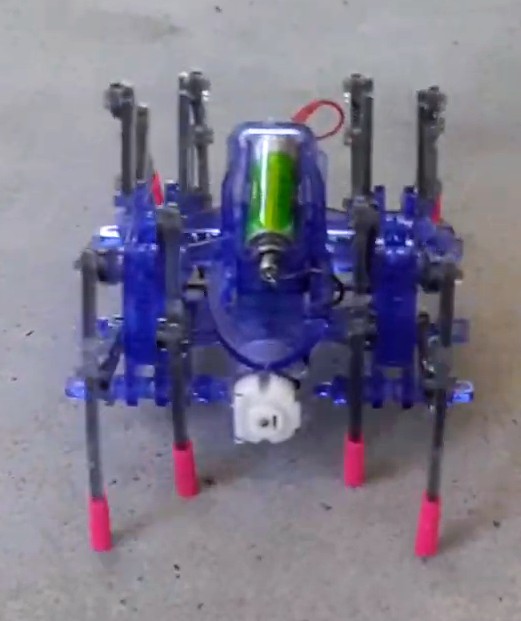
    So here’s photos of my designs. Very limited utility, limited battery life, and not very durable. But all of the robots or machines on this blog post could move, and some can be programmed or controlled. Videos of the design demos can be found on social media apps like Facebook, TikTok, and YouTube.

    This last one is perhaps the best designed one I made, in that it’s has a more simple design, and yet it could move on different types of terrain. A whegged robot that moved 6 actuators on only 2 motors.

    So should I keep up with my hobby, or are these designs not that impressive?

  • How to Grow Crops in Small Living Spaces

    How to Grow Crops in Small Living Spaces

    Growing food plants in pots and limited spaces, like small balconies or patios, is a rewarding way to enjoy fresh produce even without a big garden. Here are some tips to help you get started and succeed:

    1. **Choose the Right Containers:** Use pots with good drainage holes to prevent waterlogging. Containers made of terracotta, plastic, or fabric pots all work well depending on your space and budget.

    2. **Select Suitable Plants:** Opt for plants that thrive in small spaces and containers. Some of the best food plants for small-scale gardens include:- **Herbs:** Basil, parsley, cilantro, mint, chives- **Leafy greens:** Lettuce, spinach, kale, arugula- **Peppers:** Bell peppers and chili peppers- **Tomatoes:** Cherry or patio varieties- **Radishes and carrots:** Choose shorter root varieties- **Green beans:** Bush varieties work better than pole types in pots- **Strawberries:** Compact and productive in containers.

    3. **Use Quality Potting Mix:** Choose a lightweight, well-draining potting soil that’s rich in organic matter. Avoid using garden soil, which can compact and reduce aeration.

    4. **Sunlight Matters:** Most food plants require at least 6 hours of direct sunlight daily. Position your pots accordingly or consider supplemental grow lights if natural light is limited.

    5. **Water Consistently:** Container plants tend to dry out faster than garden beds, so check soil moisture regularly and water when the top inch feels dry. Avoid overwatering by ensuring proper drainage.

    6. **Fertilize Regularly:** Use balanced, slow-release fertilizers or organic options like compost tea or fish emulsion to provide essential nutrients throughout the growing season.

    7. **Maximize Vertical Space:** Use trellises, hanging baskets, or tiered plant stands to increase your growing area without taking up much floor space.

    8. **Practice Crop Rotation and Companion Planting:** To keep plants healthy and maximize yields, rotate crops in your pots each season and plant compatible species together.

    With these tips, even the smallest space can become a thriving food garden, providing fresh, homegrown flavors right at your doorstep!

  • Unlocking Easy Rewards: Top Strategies for Free or Low-Effort Money and Gift Gains

    Unlocking Easy Rewards: Top Strategies for Free or Low-Effort Money and Gift Gains

    In today’s fast-paced world, everyone loves discovering simple ways to earn extra rewards without investing a lot of time or effort. Whether it’s cashback, gift cards, or exclusive discounts, unlocking easy rewards can add up to significant savings and perks that enhance your lifestyle. From leveraging smart apps and loyalty programs to taking advantage of special promotions, there are countless strategies to help you gain money and gifts with minimal hassle. In this blog post, we’ll explore the top proven methods to effortlessly rack up rewards, so you can enjoy the benefits without the stress. Get ready to unlock a world of free or low-effort gains that make your everyday spending work harder for you!

    1. Introduction: The Appeal of Easy Rewards

    In today’s fast-paced world, who wouldn’t want to earn extra money or score free gifts without investing a ton of time or effort? The appeal of easy rewards lies in their ability to provide tangible benefits- whether it’s a little extra cash, discounts, or exciting freebies- without disrupting your daily routine. From cashback apps and loyalty programs to simple online surveys and referral bonuses, there are countless ways to unlock rewards with minimal hassle. This blog will guide you through the top strategies that make earning easy rewards accessible to everyone, helping you maximize gains while keeping things simple and enjoyable. Whether you’re a busy professional, a student, or just someone looking to stretch your budget, these tips can help turn everyday activities into rewarding opportunities.

    2. Understanding Different Types of Rewards

    When it comes to unlocking easy rewards, the first step is understanding the various types of rewards available. Rewards can come in many forms, each offering unique benefits depending on your goals and lifestyle. Common types include cashback offers, where you receive a percentage of your spending back as cash; points-based systems, which allow you to accumulate points that can be redeemed for products, gift cards, or travel; and instant discounts that reduce the price of your purchase upfront. Additionally, some programs offer freebies or samples as rewards, giving you a chance to try new products without any cost. Understanding these different reward types helps you choose the programs that align best with your preferences and maximize your gains with minimal effort. By strategically selecting and combining these reward options, you can effortlessly boost your savings and enjoy valuable perks without changing your routine.

    3. Cashback Apps and Websites: How to Maximize Earnings

    Cashback apps and websites have become a popular and effortless way to earn money or rewards while shopping- both online and in-store. These platforms partner with a wide range of retailers and offer you a percentage of your purchase back as cash, points, or gift cards. To maximize your earnings, start by signing up for several reputable cashback services such as Rakuten, Honey, or Swagbucks, as each may have exclusive deals with different stores.
    Before making any purchase, always check the cashback rates offered through these apps or websites, as they can vary widely depending on the retailer and product category. Additionally, stack your savings by combining cashback offers with store sales, coupons, and credit card rewards. Many cashback platforms also offer bonus rewards or higher rates during special promotions- keep an eye on newsletters and app notifications to take advantage of these time-limited deals.
    Remember to link the cashback apps to your preferred payment methods or shopping accounts, and regularly track your earnings to ensure you’re receiving the correct rewards. By consistently using cashback apps and websites smartly, you can effortlessly accumulate free money and gift gains over time, making your everyday shopping more rewarding than ever.

    4. Utilizing Credit Card Rewards and Sign-Up Bonuses

    Credit card rewards and sign-up bonuses offer one of the simplest and most accessible ways to earn extra money or valuable gifts with minimal effort. Many credit cards today come loaded with enticing perks- ranging from cashback on everyday purchases to points redeemable for travel, merchandise, or statement credits. By strategically choosing cards that align with your spending habits, you can maximize these benefits without changing how you shop.
    Sign-up bonuses are an especially powerful tool. Credit card companies often offer substantial rewards, such as thousands of points or hundreds of dollars back, simply for meeting a minimum spending threshold within the first few months. This can translate into free flights, hotel stays, gift cards, or even cash rewards. The key is to carefully review the terms and ensure you can comfortably meet the spending requirement without incurring unnecessary debt.
    To get the most out of credit card rewards, consider these tips:
    – Use your rewards card for regular purchases like groceries, gas, and bills.
    – Pay off your balance in full each month to avoid interest charges that can negate the rewards’ value.
    – Keep an eye out for limited-time promotions or bonus categories where rewards are increased.
    – Combine rewards from multiple cards if you have several to optimize overall gains.
    By thoughtfully utilizing credit card rewards and sign-up bonuses, you can unlock a steady stream of perks and freebies that boost your financial wellbeing without extra work- turning everyday spending into easy earnings.

    5. Taking Advantage of Referral Programs

    Referral programs are one of the easiest and most effective ways to earn rewards with minimal effort. By simply sharing a product or service you love with friends, family, or colleagues, you can unlock bonuses, discounts, or even cash rewards. Many companies design these programs to incentivize both the referrer and the new customer, creating a win-win situation that encourages word-of-mouth marketing.
    To make the most out of referral programs, start by identifying brands or services you already use and trust that offer referral incentives. Share your unique referral links through social media, email, or messaging apps to reach your network effortlessly. Some programs even allow you to track your referrals and rewards, making it easy to monitor your progress.
    Additionally, consider joining multiple referral programs across different platforms to diversify your earning potential. Remember, the key is to promote products authentically- your genuine recommendations resonate best and increase the likelihood of your referrals converting into rewards. With just a little time and a few clicks, referral programs can become a steady source of free or low-effort gains, helping you unlock easy rewards without changing your daily routine.

    6. Participating in Online Surveys and Market Research

    Participating in online surveys and market research is one of the simplest ways to earn extra rewards with minimal effort. Many companies and brands are constantly seeking consumer opinions to improve their products, services, and marketing strategies. By sharing your feedback through surveys, you not only help shape the future of products you use but also earn points, gift cards, or even cash in return.
    The process is straightforward: sign up with reputable survey platforms, complete your profile, and start taking surveys that match your interests and demographics. While each survey usually takes anywhere from a few minutes to about 20 minutes, the rewards can add up over time without requiring significant time or skill. Additionally, participating in occasional focus groups or product testing can offer higher payouts and exclusive freebies.
    To maximize your earnings, consider joining multiple survey sites and setting aside a small window each day or week to complete surveys. Keep in mind that while online surveys won’t replace a full-time income, they are an easy and accessible way to accumulate rewards steadily- making them a perfect addition to your low-effort money-making strategies.

    7. Exploring Cashback and Discount Extensions for Browsers

    One of the easiest ways to unlock rewards without much effort is by using cashback and discount browser extensions. These handy tools automatically find and apply the best available coupons, promo codes, and cashback offers whenever you shop online. Once installed, the extensions work quietly in the background, alerting you to savings opportunities on popular websites- from major retailers to niche stores- so you never miss out on a deal.
    Popular cashback extensions like Rakuten, Honey, and Capital One Shopping not only help you save money but often offer additional perks such as points that can be redeemed for gift cards or direct cashback payments. The process is simple: shop as you normally would, and the extension will notify you if there are any discounts or cashback offers available. Some extensions even allow you to track your earnings and receive payouts directly to your PayPal account or as gift cards.
    By integrating these extensions into your browser, you transform everyday online shopping into an easy, passive way to earn extra rewards. This strategy requires minimal effort but can lead to significant savings and bonuses over time, making it a must-try for anyone looking to maximize their spending power without changing their shopping habits.

    8. Leveraging Loyalty Programs and Membership Perks

    Loyalty programs and membership perks are powerful tools that can unlock a steady stream of rewards with minimal effort on your part. By simply signing up for a loyalty program, you gain access to exclusive discounts, early-bird offers, and points that accumulate with each purchase- points that can later be redeemed for cash back, gift cards, or free products. Many brands also offer tiered memberships, where your benefits grow the more you engage, turning everyday shopping into an opportunity for bigger savings.
    What makes these programs especially appealing is their ease of use. Once you’re enrolled, rewards often accumulate automatically, requiring little more than regular shopping or engaging with the brand’s app or website. Some programs even provide birthday bonuses, special event perks, and personalized deals tailored to your preferences, making the experience feel uniquely rewarding.
    To maximize your gains, consider signing up for multiple programs in your favorite stores and apps. Keep track of your points and rewards using dedicated apps or simple spreadsheets, ensuring you never miss out on redeeming valuable perks. Whether you’re a casual shopper or a dedicated brand enthusiast, leveraging loyalty programs and membership perks is a smart, low-effort way to earn free or discounted goodies, saving you money while enhancing your shopping experience.

    9. Finding and Using Promo Codes and Coupons

    Promo codes and coupons are one of the simplest yet most effective ways to save money or score free gifts with your purchases. They’re widely available across online stores, apps, and even email newsletters- making it easy to unlock discounts without much effort. The key is knowing where and how to find these valuable offers before you check out.
    Start by signing up for newsletters from your favorite brands; many companies send exclusive promo codes directly to subscribers as a thank-you or during special sales events. Additionally, websites dedicated to collecting and sharing coupons, like RetailMeNot or Honey, can be lifesavers. These platforms gather thousands of current promo codes and automatically apply the best discounts during your online shopping experience.
    Don’t overlook social media, either. Brands often post limited-time offers, flash sales, or special giveaways on platforms like Instagram, Facebook, and Twitter. Following your go-to stores can give you early access to these deals before they’re widely advertised.
    When using promo codes, always check the terms and conditions to understand minimum purchase requirements, expiration dates, and applicable products. Combining multiple coupons or stacking discounts can sometimes be possible, further maximizing your savings.
    By regularly searching for and applying promo codes and coupons, you can effortlessly reduce your spending or even receive freebies, turning everyday purchases into rewarding experiences with minimal hassle.

    10. Passive Income Through Dividend and Interest Programs

    One of the smartest ways to earn extra money without constant effort is by tapping into passive income through dividend and interest programs. These programs allow your money to work for you, generating steady returns over time with minimal active management. Dividends are payouts from stocks or mutual funds that share a company’s profits with shareholders, providing you with regular income simply for holding these investments. Similarly, interest programs- such as high-yield savings accounts, certificates of deposit (CDs), or bonds- offer predictable earnings based on the amount you invest, typically with lower risk. By thoughtfully allocating some of your savings into dividend-paying stocks or interest-bearing accounts, you can create a reliable stream of income that accumulates quietly in the background. This approach not only builds your financial foundation but also frees you up to focus on other pursuits, making it one of the most accessible and effective strategies for unlocking easy rewards over time.

    11. Utilizing Giveaway and Contest Opportunities

    Giveaways and contests are powerful tools that can help you unlock easy rewards with minimal effort. Participating in these opportunities not only gives you the chance to win exciting prizes- ranging from cash and gift cards to exclusive products- but also introduces you to new brands and communities that align with your interests. To maximize your chances, it’s important to stay organized by tracking entry deadlines and following each contest’s specific rules carefully. Many companies run giveaways regularly on social media platforms like Instagram, Facebook, and Twitter, so following your favorite brands and contest hubs can keep you in the loop. Additionally, leveraging apps and websites dedicated to aggregating contest listings can make your search easier and more efficient. Remember, the key to success with giveaways and contests is consistency- enter often, engage genuinely, and watch as the rewards start rolling in with surprisingly little effort on your part.

    12. Tips to Avoid Scams and Stay Secure While Earning Rewards

    In the exciting world of earning rewards, it’s essential to stay vigilant and protect yourself from scams that can jeopardize your personal information and hard-earned gains. Scammers often disguise themselves as legitimate reward programs or offers, promising big returns but delivering nothing- or worse, stealing your data. To safeguard your efforts, always verify the credibility of any platform before you sign up. Check for genuine reviews, look for secure website indicators like “https” in the URL, and avoid sharing sensitive information such as your Social Security number or banking details unless you are absolutely certain of the site’s legitimacy.
    Additionally, be wary of offers that seem too good to be true- they usually are. Legitimate reward programs rarely require upfront payments or ask for your password. Use strong, unique passwords for your accounts and enable two-factor authentication whenever possible to add an extra layer of security. Regularly monitor your accounts for any unusual activity and report suspicious behavior immediately. By staying informed and cautious, you can enjoy the benefits of easy rewards while keeping your personal and financial information safe.

    13. Tracking and Managing Your Rewards Efficiently

    Keeping track of your rewards is essential to maximizing their value without letting opportunities slip through the cracks. With multiple programs, points, cashback offers, and gift bonuses coming from various sources, it’s easy to lose sight of what you’ve earned and when to redeem it. To stay organized, consider using dedicated apps or spreadsheets designed specifically for managing rewards. These tools can help you monitor expiration dates, track point balances, and alert you to special promotions or bonus opportunities.
    Additionally, setting reminders for important deadlines ensures you don’t miss out on redeeming your rewards before they expire. Regularly reviewing your accounts allows you to strategize the best times to use your points or combine offers for maximum benefit. By effectively managing your rewards, you can effortlessly unlock more value with less effort, turning what might seem like small perks into substantial savings and exciting freebies.

    14. Combining Strategies for Maximum Benefit

    One of the most effective ways to maximize your rewards and savings is by combining multiple strategies rather than relying on just one. When you layer different approaches- such as using cashback apps alongside credit card rewards, signing up for loyalty programs while taking advantage of promotional discounts, or stacking coupon codes with special offers- you create a powerful synergy that boosts your overall returns with minimal extra effort.
    For example, imagine you’re shopping online: start by applying any available coupon codes, then make your purchase through a cashback portal, and use a rewards credit card to pay. This trifecta can significantly increase the total amount you get back, sometimes turning a regular purchase into an opportunity for free or heavily discounted items.
    Additionally, staying organized and tracking your rewards helps ensure you don’t miss out on any benefits. Use apps or spreadsheets to monitor expiration dates, point accumulations, and upcoming promotions. By thoughtfully combining and managing your reward strategies, you unlock the full potential of easy money and gift gains- making the most out of every dollar you spend or action you take.

    15. Conclusion: Staying Consistent and Patient for Long-Term Gains

    In the world of unlocking easy rewards, consistency and patience are your greatest allies. While some strategies can yield quick wins, the most sustainable and substantial rewards come from steady, ongoing effort. It’s important to remember that building up points, cash-back benefits, or accumulating gift credits doesn’t usually happen overnight. By committing to your chosen methods regularly- whether that’s using reward apps daily, participating in loyalty programs, or taking advantage of special promotions- you set yourself up for a continuous stream of benefits over time. Patience allows you to ride out the occasional slow periods, while consistency ensures you don’t miss out when opportunities arise. Ultimately, combining these two qualities turns simple, low-effort actions into meaningful, long-term gains that can add up to significant value. So, stay dedicated, keep tracking your progress, and enjoy the rewarding journey ahead!


    In today’ s fast-paced world, finding simple and effective ways to earn rewards without heavy effort can make a real difference. By implementing the top strategies we’ve shared, you can unlock easy rewards and enjoy free or low-effort money and gift gains that add value to your everyday life. Whether it’s through savvy apps, loyalty programs, or smart habits, these methods empower you to maximize benefits with minimal time and energy. Start putting these tips into action today, and watch as small efforts turn into rewarding opportunities that brighten your financial outlook  and bring unexpected perks your way.    -H

  • The Nomadic Lifestyle Unveiled: History, Types, and Essential Survival Tips

    The Nomadic Lifestyle Unveiled: History, Types, and Essential Survival Tips


    The nomadic lifestyle, characterized by constant movement and a deep connection to nature, has fascinated humanity for centuries. From ancient tribes who roamed vast landscapes in search of food and shelter to modern-day digital nomads embracing freedom and flexibility, this way of life offers a unique blend of adventure, resilience, and simplicity. In this blog post, we will delve into the rich history of nomadism, explore the various types of nomadic lifestyles practiced around the world, and share essential survival tips to help anyone interested in embracing this extraordinary journey. Whether you’re a seasoned traveler or simply curious about a life untethered, join us as we unveil the essence of the nomadic way of living.

    1. Introduction to the Nomadic Lifestyle

    The nomadic lifestyle is a way of life characterized by constant movement from one place to another, rather than settling permanently in a single location. Rooted deeply in human history, nomadism has been practiced by various cultures around the world for thousands of years, often as a means of survival, following seasonal resources, or trading goods. From the Bedouins of the Middle East traversing vast deserts to the Mongolian herders navigating the steppes of Central Asia, nomads have adapted to diverse environments with resilience and ingenuity. Today, while modern conveniences have transformed many aspects of daily living, the allure of nomadism continues to attract individuals seeking freedom, adventure, and a deeper connection to nature. In this blog, we will explore the rich history of nomadic cultures, examine different types of nomadic lifestyles, and share essential survival tips for anyone considering embracing this unique way of life. Whether you’re a curious traveler or someone dreaming of a life untethered, this guide aims to provide valuable insights into the enduring spirit of the nomadic journey.

    2. A Brief History of Nomadism

    Nomadism is one of the oldest ways of human life, dating back thousands of years to prehistoric times. Before the advent of agriculture and permanent settlements, early humans survived by constantly moving in search of food, water, and shelter. This mobile lifestyle allowed them to adapt to changing environments and seasonal shifts, following herds of animals or the growth cycles of wild plants.
    Throughout history, nomadic cultures have thrived across different continents-from the Bedouins navigating the deserts of the Middle East to the Mongolian pastoralists roaming the vast steppes of Central Asia. These groups developed unique social structures, traditions, and survival strategies that were intricately tied to their mobility. Even as civilizations advanced and urban centers grew, nomadic peoples continued to play crucial roles in trade, cultural exchange, and the spread of ideas.
    Understanding the historical roots of nomadism offers valuable insight into how these communities have maintained their way of life despite modern pressures. It also highlights the resilience and adaptability that define the nomadic spirit- qualities that remain essential for anyone embracing a mobile lifestyle today.

    3. Different Types of Nomadic Lifestyles

    Nomadism has taken many forms throughout history and continues to evolve in the modern world. Understanding the different types of nomadic lifestyles can give you insight into how diverse and adaptable this way of living truly is.


    **1. Hunter-Gatherer Nomads:**
    One of the oldest forms of nomadism, hunter-gatherers move frequently in search of food, following animal migrations and seasonal growth of plants. This lifestyle relies heavily on a deep knowledge of the natural environment and sustainable harvesting practices.


    **2. Pastoral Nomads:**
    Pastoral nomads raise livestock such as sheep, goats, camels, or cattle and move their herds between grazing areas according to the seasons. This type of nomadism is still practiced in many parts of Africa, Central Asia, and the Middle East, where communities depend on their animals for food, clothing, and trade.


    **3. Peripatetic Nomads:**
    Unlike pastoralists, peripatetic nomads do not rely primarily on animal herding. Instead, they often engage in trades, crafts, or services, moving from place to place to offer their skills. Examples include traveling merchants, artisans, and entertainers who adapt to various communities while maintaining their mobile lifestyle.


    **4. Digital Nomads:**
    A more recent phenomenon, digital nomads leverage technology to work remotely while traveling the world. They often settle temporarily in different cities or countries, balancing work and exploration without being tied to a single location. This lifestyle combines the freedom of mobility with the benefits of the digital economy.
    Each type of nomadism carries its own unique challenges and advantages, shaped by environment, culture, and technology. Whether rooted in ancient traditions or modern innovation, nomadic lifestyles showcase human resilience and adaptability in the face of changing circumstances.

    4. Cultural Significance of Nomadic Communities

    Nomadic communities have played a vital role in shaping human history and culture across the globe. Far from being merely transient groups, these communities carry rich traditions, languages, and social structures that have been passed down through generations. Their way of life is deeply intertwined with the natural environment, often reflecting a profound respect for the land and its resources. From the Bedouins of the Middle East to the Maasai of East Africa, nomadic groups have contributed unique art forms, music, storytelling, and rituals that offer valuable insights into human resilience and adaptability. Moreover, their cultural practices often emphasize communal living, strong family bonds, and a shared sense of identity that unites members despite constant movement. Understanding the cultural significance of nomadic communities not only broadens our appreciation of human diversity but also highlights the importance of preserving these traditions in the face of modern challenges such as urbanization and climate change.

    5. Modern Nomadism: Digital Nomads and Location Independence

    In today’s interconnected world, the concept of nomadism has evolved far beyond traditional patterns of seasonal migration or pastoral wandering. Modern nomadism is largely defined by the rise of digital nomads- individuals who leverage technology to work remotely while exploring new destinations around the globe. This new breed of nomads embraces location independence, breaking free from the constraints of a fixed office or home base.
    Digital nomads often rely on laptops, smartphones, and reliable internet connections to earn a living in fields such as freelancing, software development, content creation, and online entrepreneurship. This lifestyle offers unparalleled flexibility, allowing individuals to immerse themselves in diverse cultures, experience different environments, and design personalized daily routines. Yet, it also presents unique challenges like finding stable Wi-Fi, managing time zones, and maintaining work-life balance on the road.
    The location-independent lifestyle isn’t limited to just digital work. Many modern nomads combine travel with seasonal jobs, teaching languages, or running small businesses online. Communities of digital nomads have sprung up worldwide, from co-working spaces in Bali and Chiang Mai to nomad-friendly cafes in Lisbon and Medellin, fostering connections and support networks.
    Ultimately, modern nomadism reflects a growing desire to blend work, travel, and personal growth- transforming the age-old nomadic tradition into a dynamic lifestyle that suits the digital age. Whether you’re considering taking the plunge or are already on the move, understanding the dynamics of digital nomadism is key to thriving in this exciting, ever-evolving way of life.

    6. Essential Skills for Thriving as a Nomad

    Thriving as a nomad requires more than just a love for travel- it demands a set of essential skills that enable you to adapt, survive, and flourish in ever-changing environments. First and foremost, adaptability is key. Nomads often face unpredictable situations, from sudden weather changes to unfamiliar cultural norms, so being flexible and open-minded helps you navigate these challenges smoothly. Strong communication skills are also vital, allowing you to connect with locals, negotiate accommodations, or find opportunities for work and collaboration.
    Practical skills such as budgeting and financial management become indispensable when your income and expenses fluctuate regularly. Learning to live minimally and prioritize essentials ensures you make the most of limited resources. Additionally, self-reliance in basic survival skills- like first aid, navigation, and simple repairs- can make a significant difference when you’re far from conventional support systems.
    Technology proficiency is another crucial skill; knowing how to leverage digital tools for navigation, communication, and work can boost efficiency and safety. Lastly, cultivating emotional resilience helps you cope with loneliness, uncertainty, and the constant movement that define the nomadic lifestyle. By mastering these skills, you’ll not only survive but truly thrive on the road, turning your nomadic journey into a fulfilling adventure.

    7. Choosing the Right Gear for a Nomadic Life

    Choosing the right gear is crucial for anyone embracing the nomadic lifestyle. Since mobility and adaptability are at the heart of this way of living, every item you bring along should serve a clear purpose- offering durability, versatility, and convenience. When selecting gear, think lightweight and compact to minimize the burden during constant travel. For example, a reliable, high-quality backpack with multiple compartments can make a world of difference in organizing your belongings efficiently.
    Essentials like multi-purpose clothing, portable cooking equipment, and durable shelter options such as a lightweight tent or hammock are staples. Technology also plays a vital role; investing in portable chargers, solar panels, and devices with long battery life ensures you stay connected and powered up regardless of location. Don’t forget about health and safety gear- first aid kits, water purification systems, and weather-appropriate protection are indispensable.
    Ultimately, your gear should support your lifestyle, allowing you to move freely, adapt quickly, and live comfortably no matter where your nomadic journey takes you. Careful planning and thoughtful selection will help you thrive in this dynamic way of life.

    8. Managing Finances on the Road

    Managing finances on the road is one of the most crucial aspects of maintaining a successful nomadic lifestyle. Without a fixed address or traditional employment structure, keeping track of income, expenses, and savings requires careful planning and adaptability. Start by setting a realistic budget that accounts for variable costs such as accommodation, transportation, food, and unexpected emergencies. Digital nomads often rely on online banking and financial apps that allow easy access to accounts worldwide, helping them monitor spending in real-time and avoid unnecessary fees. Additionally, diversifying income streams- through freelance work, passive income, or remote jobs- can provide a financial safety net during lean periods. It’s also wise to have an emergency fund set aside, as unexpected situations like medical issues or sudden travel changes can arise. Lastly, understanding currency exchange rates and choosing credit or debit cards with low foreign transaction fees can save you money and reduce financial stress. By staying organized and proactive with your finances, you can enjoy the freedom of the road without worrying about monetary setbacks.

    9. Finding Accommodation and Transportation

    One of the biggest challenges- and adventures- of embracing a nomadic lifestyle is figuring out where to stay and how to get around. Unlike traditional living, nomads don’t have a fixed home base, which means accommodation and transportation require flexibility, creativity, and often a bit of planning.
    When it comes to accommodation, nomads have a wide array of options. Many choose to stay in hostels or budget hotels, which provide affordability and opportunities to meet fellow travelers. Others opt for short-term rentals through platforms like Airbnb, which can offer a more home-like experience and access to local neighborhoods. For those who seek deeper immersion or extended stays, house-sitting or pet-sitting gigs can be a fantastic way to cut costs while living in unique locations. Additionally, some nomads embrace the tiny house or van life movement, converting vehicles into mobile homes that enable them to live and sleep wherever they park.
    Transportation also plays a crucial role in the nomadic lifestyle. Depending on your travel style and budget, options range from public transportation- such as buses, trains, and local metros- to renting or purchasing a vehicle. Many nomads rely on a combination of ridesharing apps, car rentals, and even cycling to navigate their surroundings efficiently. If you’re covering long distances, budget airlines and overnight trains can be excellent choices to save time and money. Planning ahead is key, especially in remote areas where transportation options are limited or infrequent.
    Ultimately, the key to mastering accommodation and transportation as a nomad is adaptability. Being open to new experiences, embracing spontaneity, and leveraging technology to find the best deals will ensure that your nomadic journey is both comfortable and enriching. With the right mindset and resources, every new place becomes a welcoming home, and every journey an exciting opportunity.

    10. Health and Safety Considerations for Nomads

    Living a nomadic lifestyle offers unparalleled freedom and adventure, but it also comes with unique health and safety challenges that require careful attention. As a nomad, your well-being depends largely on your ability to adapt and prepare for varied environments, climates, and situations. Prioritizing health means maintaining a balanced diet even while on the move- packing portable, nutritious snacks and learning to find fresh, wholesome food wherever you go. Staying hydrated is crucial, especially in hotter climates or during physically demanding activities.
    Safety should always be at the forefront of your travels. Researching the areas you plan to visit, understanding local customs, and being aware of any health advisories can prevent many common risks. Carrying a well-stocked first aid kit tailored to your specific journey, including medications for common ailments, insect repellents, and wound care supplies, is essential. Additionally, having access to reliable communication tools and emergency contacts can be life-saving in critical moments.
    Mental health is equally important for nomads, who may face periods of isolation or stress. Building a support network, whether through online communities or fellow travelers, and carving out time for rest and self-care helps maintain emotional balance.
    By staying vigilant about your health and safety, you can fully embrace the nomadic lifestyle’ s rewards while minimizing its risks- ensuring that every journey is not only exciting but also secure and sustainable.

    11. Building and Maintaining Relationships While Moving

    One of the greatest challenges of a nomadic lifestyle is building and maintaining meaningful relationships while constantly on the move. Unlike traditional lifestyles where proximity allows for regular face-to-face interactions, nomads must find creative ways to nurture connections with family, friends, and new acquaintances. Technology plays a crucial role here-video calls, social media, and messaging apps help bridge the distance, making it easier to stay involved in loved ones’ lives despite physical separation.
    At the same time, forming new relationships on the road requires openness and adaptability. Whether you’re staying in hostels, joining community events, or attending local meetups, taking the initiative to engage with people fosters a sense of belonging wherever you go. Remember that genuine connections often grow from shared experiences and mutual support, so investing time in building trust pays off in both companionship and practical help during your travels.
    Maintaining relationships also means balancing your nomadic pursuits with intentional effort. Scheduling regular check-ins, sending thoughtful messages, and sharing your journey through photos or stories helps keep your network strong. Ultimately, nurturing these bonds not only enriches your nomadic experience but also provides emotional stability and a support system that can be invaluable on the road.

    12. Challenges Faced by Nomads and How to Overcome Them

    Living a nomadic lifestyle offers unparalleled freedom and adventure, but it also comes with its unique set of challenges. Understanding these hurdles and learning how to overcome them is essential for anyone considering or currently embracing this way of life.
    One of the primary challenges nomads face is the lack of a permanent home base, which can lead to feelings of isolation and loneliness. Constantly moving means building and maintaining relationships can be difficult. To combat this, many nomads turn to digital communities, social media groups, and meetups focused on travel and nomadic living. These platforms provide opportunities to connect, share experiences, and find support from like-minded individuals around the world.
    Another significant challenge is managing finances on the road. Irregular income streams, fluctuating expenses, and the cost of travel can strain budgets. Overcoming this requires careful financial planning, setting up multiple income sources (such as remote work, freelancing, or passive income), and maintaining a detailed budget to stay on track.
    Health and wellbeing also demand extra attention for nomads. Access to healthcare varies widely depending on location, and maintaining a consistent routine can be tough. Prioritizing a balanced diet, regular exercise, and obtaining comprehensive travel insurance can help mitigate health risks. Additionally, keeping copies of medical records and knowing where to find reliable healthcare services in new areas is vital.
    Lastly, navigating legal and logistical issues, such as visas, permits, and local regulations, can be complex. Staying informed about the requirements of each destination, planning ahead, and sometimes working with local experts or legal advisors can streamline this process.
    By acknowledging these challenges and proactively addressing them, nomads can enjoy a more sustainable, fulfilling lifestyle that embraces both the excitement and realities of life on the move.

    13. Environmental Impact of Nomadic Living

    Nomadic living has long been celebrated for its minimalistic and flexible lifestyle, often perceived as being in harmony with nature. However, it’s important to recognize that nomadic communities, like any human society, do have an environmental impact- both positive and negative.
    Traditionally, many nomadic groups have practiced sustainable ways of living, such as rotational grazing and seasonal migration, which help prevent overuse of natural resources and allow ecosystems time to recover. Their deep knowledge of the land often leads to a balanced relationship with their environment, preserving biodiversity and maintaining soil health.
    On the other hand, modern nomadic lifestyles, especially those involving motorized vehicles and increased consumption of goods, can contribute to environmental degradation. Frequent travel can lead to higher carbon emissions, disturbance of wildlife habitats, and increased waste production if not managed responsibly.
    For those embracing the nomadic lifestyle today, it’s essential to prioritize eco-friendly practices. Opting for renewable energy sources like solar power, minimizing waste through recycling and composting, choosing sustainable modes of transportation, and respecting local ecosystems can significantly reduce environmental footprints. By combining traditional wisdom with modern sustainability efforts, nomads can continue to live freely while protecting the planet for future generations.

    14. Inspirational Stories from Modern Nomads

    The nomadic lifestyle, once a necessity for survival, has evolved into a conscious choice embraced by many around the world today. Modern nomads come from all walks of life, united by their passion for exploration, freedom, and connection with diverse cultures. Their stories offer a fascinating glimpse into the challenges and rewards of life on the move.
    Take Sarah, for example, a digital marketer who swapped her corporate office for a life traveling across Southeast Asia with just a backpack and a laptop. Her journey wasn’t without hurdles- navigating visa regulations, finding reliable Wi-Fi, and maintaining work-life balance- but her stories reveal how adaptability and determination turn obstacles into opportunities. Sarah’s experience highlights the empowering aspect of the nomadic lifestyle: the ability to design your own schedule and immerse yourself in new environments every day.
    Then there’s Miguel and Ana, a couple who sold their belongings to live full-time in their converted van, exploring the vast landscapes of North America. Their story is a testament to minimalism and sustainability, showing how downsizing possessions can lead to a richer, more intentional life. Through their blog and social media, they inspire others to break free from material constraints and embrace the beauty of simplicity on the road.
    These narratives, among countless others, showcase the diverse paths modern nomads take- whether fueled by career flexibility, environmental consciousness, or the sheer desire for adventure. They remind us that while the nomadic lifestyle requires resilience and planning, it also offers unparalleled personal growth, deep connections, and unforgettable experiences that stay with you long after the journey ends.

    15. Conclusion: Is the Nomadic Lifestyle Right for You?

    Embracing the nomadic lifestyle is a profound decision that goes beyond simply changing your address frequently- it’s about adopting a mindset of freedom, adaptability, and exploration. As we’ve explored throughout this blog, nomadism has deep historical roots, diverse modern-day expressions, and requires a unique set of skills to thrive. Whether you’re drawn to digital nomadism, van life, or traditional pastoral nomadism, it’s essential to weigh the benefits against the challenges. Consider your personal goals, career flexibility, social needs, and comfort with uncertainty. The nomadic lifestyle offers unparalleled opportunities for growth, cultural immersion, and self-discovery, but it also demands resilience, careful planning, and a willingness to embrace the unknown. Ultimately, if you value freedom, adventure, and continuous learning, the nomadic way of life could be a perfect fit. However, if stability and routine are your priorities, you might find a more traditional lifestyle suits you better. Take the time to reflect, plan, and perhaps start with small steps before fully committing- because the journey to a nomadic life is as rewarding as the destination itself.


    Embracing the nomadic lifestyle offers a unique blend of freedom, adventure, and connection to diverse cultures and landscapes. As we’ve explored the rich history, various types of nomadism, and essential survival tips, it’s clear that this way of life requires adaptability, resourcefulness, and a deep respect for the environment. Whether you’re inspired by the traditions of ancient nomads or drawn to modern-day digital nomadism, understanding these fundamentals can help you embark on your own journey with confidence and purpose. Remember, the nomadic path is as much about personal growth as it is about exploration- so prepare well, stay curious, and let the world be your home. -H

  • List of Wearable and Portable Shelters

    List of Wearable and Portable Shelters


    – **Bivy Sack:** A lightweight, waterproof, and breathable cover that slips over a sleeping bag, providing minimal shelter from wind and rain while being compact and easy to carry.


    – **Wearable Tent Suit:** An integrated tent system worn as a garment, allowing the user to quickly deploy a personal shelter without carrying bulky gear.


    – **Pop-up Shelter Poncho:** A poncho that unfolds or inflates into a small shelter or tent, combining clothing and shelter functions.


    – **Inflatable Survival Suit:** A suit with built-in inflatable chambers that expand into a protective shelter against harsh weather conditions.


    – **Modular Shelter Backpack:** A backpack that transforms into a tent or shelter, enabling quick setup and portability.

    – **Wearable Sleeping Bags:** Sleeping bags designed with arm and leg openings, allowing the user to wear them for warmth and mobility

    .
    – **Inflatable Wearable Pods:** Compact suits that can inflate to form a protective shell around the wearer, offering insulation and shelter.


    – **Backpack Tents:** Backpacks that unfold into small, personal tents for quick setup and portability.


    – **Modular Exosuit Shelters:** Advanced suits equipped with materials that can expand or harden, creating a temporary protective shell.


    – **Earth Suit (Conceptual Design):** A multifunctional wearable shelter designed to provide protection, comfort, and environmental adaptability.


    **Earth Suit Design and Capabilities:**

    *Basic Capabilities:*

    – **Lightweight and Durable Fabric:** Made from advanced, breathable, waterproof materials that shield the wearer from rain, wind, and temperature extremes.
    – **Integrated Shelter Framework:** A foldable, lightweight frame incorporated into the suit’s design that can be extended to create a personal shelter or canopy.
    – **Thermal Regulation:** Built-in insulation layers and ventilation systems to maintain a comfortable temperature in varying climates.
    – **Compact and Wearable:** Functions as everyday clothing but can transform into a shelter without additional equipment.

    **Intermediate Capabilities:**

    – **Integrated Shelter Mode:** The suit can expand or unfold to form a small tent-like shelter around the wearer, providing more space and protection.
    – **Built-in Ventilation System:** Adjustable vents prevent overheating and condensation inside the shelter mode.
    – **Solar-Powered Heating Elements:** Embedded lightweight solar panels power heating components for added warmth.
    – **Self-Cleaning Fabric:** Uses nanotechnology or special coatings to repel dirt, water, and microbes.

    *Advanced Capabilities:*

    – **Self-Deploying Mechanism:** Sensors detect adverse weather or environmental threats and activate an automatic transformation from suit to shelter.
    – **Energy Harvesting:** Embedded solar panels and kinetic energy converters power integrated devices like lighting, communication, or climate control.
    – **Environmental Adaptability:** Smart materials adapt color and insulation properties based on external conditions for camouflage or heat retention.
    – **Life Support Features:** Incorporates filtration systems for air and water, and emergency supplies stored within the suit for survival situations.
    – **Connectivity and Monitoring:** Equipped with GPS, health sensors, and communication tools to stay connected and safe in remote environments.

    The Earth Suit merges the convenience of wearable gear with the protection of portable shelter, designed to support users in diverse outdoor and emergency scenarios.

  • Earth Suits, Wearable and Portable Shelters

    Earth Suits, Wearable and Portable Shelters

    From Earth Suits to Next-Gen Portable Shelters: The Evolution and Future of Wearable Habitats

    As the boundaries between technology, architecture, and fashion continue to blur, the concept of wearable habitats is rapidly transforming from science fiction into reality. From the early innovations of Earth suits designed to protect humans in extreme environments to the cutting-edge development of next-generation portable shelters, wearable habitats are redefining how we think about personal space, mobility, and survival. In this blog post, we’ll explore the fascinating evolution of these innovative structures, uncover their practical applications across various fields, and envision what the future holds for this groundbreaking fusion of wearable technology and habitat design. Whether you’re intrigued by futuristic living solutions or the latest advances in portable shelter technology, join us as we journey through the past, present, and future of wearable habitats.

    1. Introduction: The Concept of Wearable Habitats

    Imagine a future where your home isn’t confined to a single location but moves with you- compact, lightweight, and integrated seamlessly into your daily life. This is the vision behind wearable habitats: portable living spaces designed to provide shelter, comfort, and protection, all while being carried or worn by the user. The concept challenges traditional ideas of housing by combining mobility with functionality, offering solutions for adventurers, emergency responders, and even urban dwellers seeking flexibility. From the earliest Earth suits that provided basic protection against harsh environments to today’s cutting-edge designs incorporating advanced materials and smart technology, wearable habitats represent a fascinating evolution in how we think about living spaces. In this blog, we’ll explore the origins, advancements, and promising future of these innovative shelters that could redefine the very notion of home.

    2. Early Innovations: Understanding Earth Suits

    Long before the concept of portable, wearable habitats captured the imagination of designers and futurists, the idea of Earth Suits emerged as one of the earliest attempts to merge human mobility with environmental protection. Earth Suits were essentially compact, self-contained living environments designed to provide shelter and basic life-support functions while allowing the wearer to remain mobile in harsh or unpredictable conditions.
    These early innovations were driven by a need to survive and thrive in environments ranging from extreme weather to contaminated or hazardous landscapes. The suits combined materials that offered insulation, durability, and breathability, often incorporating rudimentary air filtration systems to shield users from pollutants or allergens. While limited by the technology of their time, Earth Suits laid the groundwork for more sophisticated designs by demonstrating the feasibility of integrating shelter and wearability.
    Importantly, these early suits emphasized adaptability. They were conceived not just as protective garments, but as miniature habitats that could offer warmth, hydration, and even waste management on the go. Though bulky by today’s standards, Earth Suits represented a visionary step toward rethinking personal space and mobility- concepts that continue to inspire the evolution of next-generation wearable shelters. Understanding these foundational innovations provides valuable insight into how designers have continually pushed the boundaries of merging human comfort with environmental resilience.

    3. Materials and Technology Behind Earth Suits

    The development of Earth Suits represents a fascinating intersection of advanced materials science and cutting-edge technology, creating wearable habitats that are both functional and futuristic. At the heart of these suits are lightweight, durable fabrics engineered to withstand a variety of environmental conditions- from extreme temperatures to abrasive terrains. Innovations such as graphene-infused textiles provide exceptional strength while maintaining flexibility, allowing wearers to move freely without compromising protection.
    In addition to the robust outer layers, Earth Suits incorporate smart materials that adapt to the wearer’s body and surroundings. Phase-change materials regulate temperature by absorbing, storing, and releasing heat as needed, ensuring comfort in diverse climates. Embedded sensors monitor vital signs and environmental data, feeding information to integrated control systems that adjust ventilation, hydration levels, and even deploy emergency shelters if necessary.
    Advanced manufacturing techniques like 3D knitting and nanocoating not only enhance the durability and utility of these suits but also reduce their weight, making them truly wearable habitats. Together, these materials and technologies form the backbone of Earth Suits, enabling explorers, adventurers, and responders to carry portable, self-sustaining shelters seamlessly integrated into their everyday gear.

    4. Challenges Faced by Initial Wearable Habitats

    The concept of wearable habitats has long fascinated inventors and visionaries, but the earliest attempts faced a multitude of challenges that hindered their practicality and widespread adoption. One of the primary obstacles was the balance between mobility and comfort. Early wearable habitats, often bulky and heavy, restricted the wearer’s movement and quickly became uncomfortable during extended use. Materials technology at the time limited designers to rigid or cumbersome fabrics that lacked flexibility, breathability, and durability.
    Another significant challenge was the integration of essential life-support systems. Providing adequate ventilation, temperature regulation, and protection from environmental hazards within a compact, wearable form proved to be a complex engineering puzzle. Early prototypes struggled to maintain a stable internal climate, often resulting in overheating or insufficient insulation, which compromised the wearer’s safety and comfort.
    Energy supply and autonomy also presented major hurdles. Without efficient, lightweight power sources, these habitats relied on tethered connections or bulky batteries, severely limiting their range and usability. Additionally, the lack of modularity and adaptability meant that these early designs could not easily accommodate different environments or user needs, reducing their versatility.
    Finally, cost and accessibility were formidable barriers. The specialized materials and intricate engineering required for wearable habitats made them prohibitively expensive, confining their use primarily to experimental or niche markets rather than mass adoption.
    Despite these challenges, the lessons learned from initial wearable habitats laid critical groundwork, inspiring innovations in materials science, energy efficiency, and design that continue to shape the development of next-generation portable shelters.

    5. Transition to Portable Shelters: Key Developments

    As the concept of wearable habitats evolved, a significant shift occurred toward the development of portable shelters- compact, lightweight, and adaptable living spaces designed for mobility and convenience. This transition was driven by the growing need for flexible housing solutions that could cater to a variety of environments and lifestyles, from outdoor enthusiasts and disaster relief efforts to urban dwellers seeking minimalist living options.


    Key developments in this phase include the integration of innovative materials such as ultra-lightweight fabrics, weather-resistant coatings, and foldable structural components that enable shelters to be easily transported and quickly deployed. Advances in design have focused on maximizing functionality within minimal space, incorporating features like modular interiors, expandable compartments, and smart climate control systems to enhance comfort without sacrificing portability.
    Furthermore, the rise of sustainable technologies has influenced portable shelter designs, emphasizing eco-friendly materials and energy-efficient systems like solar panels and rainwater collection. These innovations not only reduce environmental impact but also increase the self-sufficiency of wearable shelters, making them viable long-term living solutions.
    Together, these key developments mark a pivotal moment in the evolution from traditional Earth suits to next-generation portable shelters- offering users unprecedented freedom, adaptability, and resilience in how and where they live.

    6. Modern Next-Gen Wearable Shelter Designs

    As the demand for mobility and adaptability continues to grow, modern next-gen wearable shelter designs are pushing the boundaries of what personal habitats can achieve. These innovative shelters are lightweight, compact, and engineered with advanced materials that provide durability, weather resistance, and comfort- all while being easy to carry and set up in a matter of minutes. Unlike traditional bulky tents or rigid structures, these wearable habitats often incorporate flexible fabrics, smart textiles, and modular components that conform seamlessly to the wearer’s body or backpack, offering unprecedented freedom of movement.
    Many designs now integrate cutting-edge technology such as solar-powered ventilation systems, self-healing materials, and climate-adaptive insulation to ensure comfort in diverse environments. Some models even feature expandable compartments and multi-functional elements, allowing users to customize their shelter depending on the setting- from urban adventures to remote wilderness expeditions. This evolution reflects a growing trend toward sustainability, portability, and user-centric design, making next-gen wearable shelters ideal for hikers, festival-goers, emergency responders, and anyone seeking a versatile refuge on the go.
    As these designs continue to evolve, they promise to redefine our relationship with personal space and shelter, blending functionality with futuristic innovation to meet the needs of an increasingly mobile world.

    7. Integration of Smart Technology in Wearable Habitats

    The integration of smart technology in wearable habitats marks a groundbreaking shift in how we perceive and interact with portable living spaces. No longer are these shelters just physical enclosures; they are becoming intelligent environments that adapt to the wearer’s needs in real-time. Embedded sensors monitor vital signs, environmental conditions, and even structural integrity, providing seamless feedback and ensuring optimal comfort and safety. Imagine a habitat that can regulate temperature based on your body heat, adjust ventilation in response to humidity levels, or alert you to nearby hazards through connected apps. Advanced materials equipped with flexible electronics enable these shelters to remain lightweight and durable while housing complex circuitry. Moreover, connectivity features allow wearable habitats to sync with other devices, enabling features like GPS tracking, energy management, and remote diagnostics. This fusion of technology not only enhances functionality but also opens up new possibilities for outdoor enthusiasts, disaster relief workers, and future urban dwellers seeking mobility without sacrificing comfort or security. As smart technology continues to evolve, wearable habitats are poised to become truly responsive living systems, blending the boundaries between shelter, clothing, and digital innovation.

    8. Applications in Extreme Environments and Space Exploration

    Wearable habitats have emerged as revolutionary solutions for surviving and thriving in some of the most extreme environments on Earth- and beyond. In hostile settings like deserts, polar regions, and deep-sea expeditions, these portable, self-contained shelters provide essential protection against harsh weather, temperature fluctuations, and limited resources. Their lightweight, compact designs allow explorers and scientists to carry safe refuge wherever their missions take them, without the burden of traditional bulky tents or structures.
    When it comes to space exploration, wearable habitats represent a game-changing step forward. As humanity prepares for long-duration missions to the Moon, Mars, and potentially beyond, the need for flexible, reliable living quarters is paramount. These habitats can offer astronauts immediate shelter from radiation, micrometeorites, and extreme temperature swings while maintaining mobility and ease of use. Innovations such as inflatable or self-assembling materials, integrated life-support systems, and adaptability to different planetary terrains are pushing the boundaries of what wearable habitats can achieve.
    Moreover, wearable habitats open new possibilities for emergency response in disaster zones on Earth, where rapid deployment and mobility can save lives. As technology continues to advance, these next-generation shelters will not only enhance survival capabilities but also improve comfort and functionality, making extreme environments more accessible for exploration, research, and habitation. The convergence of materials science, robotics, and environmental engineering promises a future where wearable habitats are indispensable tools for conquering the final frontiers- both terrestrial and cosmic.

    9. Sustainability and Eco-Friendly Materials in Wearable Habitats

    As the demand for portable, adaptable living spaces continues to grow, sustainability has become a central focus in the development of wearable habitats. Designers and engineers are increasingly prioritizing eco-friendly materials and sustainable production methods to minimize environmental impact while maximizing functionality. Modern wearable habitats are being crafted from biodegradable fabrics, recycled plastics, and natural fibers that not only reduce waste but also enhance breathability and comfort. Innovations such as solar-powered textiles and self-cleaning surfaces are also emerging, allowing these habitats to be more energy-efficient and low-maintenance. By integrating sustainability into their core design principles, creators of wearable habitats are not only addressing the urgent need for greener solutions but are also inspiring a new generation of eco-conscious consumers who value both innovation and responsibility. This commitment to sustainability ensures that the future of wearable habitats aligns with the broader global movement toward environmental stewardship and circular economies.

    10. User Experience: Comfort, Mobility, and Functionality

    When it comes to wearable habitats, user experience is paramount. After all, these innovative shelters are designed to be worn and carried, which means they must seamlessly blend comfort, mobility, and functionality to truly meet the needs of their users. Comfort goes beyond just soft materials; it involves ergonomic design that supports the body, regulates temperature, and minimizes fatigue during extended wear. Mobility is equally critical- a wearable habitat should enable natural movement and easy transitions between environments without weighing the user down or restricting their activities. Finally, functionality ensures that every element serves a purpose, from integrated storage and quick-deploy mechanisms to weather resistance and adaptability to diverse terrains. The most successful next-generation portable shelters harmonize these factors, creating wearable environments that feel less like cumbersome gear and more like a natural extension of the wearer’s lifestyle, whether they are explorers, emergency responders, or urban dwellers seeking new ways to connect with their surroundings.

    11. Case Studies: Successful Wearable Habitat Projects

    Wearable habitats have come a long way from conceptual designs to practical, innovative solutions that merge fashion, function, and shelter. In this section, we explore several standout projects that showcase the potential and versatility of wearable habitats, illustrating how designers and engineers have tackled challenges related to portability, comfort, and sustainability.
    One notable example is the “Earth Suit” project, which reimagined personal protective gear as an all-in-one habitat. Designed to provide not only shelter but also climate control and basic survival functions, the Earth Suit combined lightweight materials with modular components to adapt to different environments. Its success lies in its ability to offer immediate refuge while remaining highly portable- perfect for outdoor enthusiasts, disaster relief workers, and urban explorers alike.
    Another pioneering initiative is the “Nomad Capsule”, a compact wearable shelter designed for temporary urban dwellers and festival-goers. This project emphasized rapid deployment and compact storage, using inflatable structures and breathable fabrics that allowed users to quickly transform their wearable gear into a comfortable sleeping pod. The Nomad Capsule’s integration of modern materials and ergonomic design made it a favorite among users seeking convenience without compromising on comfort.
    Looking to the future, the “BioShell” project introduces sustainable, biodegradable materials combined with smart technology to create habitats that respond to environmental conditions in real-time. Through embedded sensors and adaptive fabric technology, BioShell adjusts insulation, ventilation, and even structural rigidity, offering a truly personalized wearable shelter experience. Early tests have demonstrated its potential for applications ranging from extreme outdoor adventures to emergency response scenarios.
    These case studies highlight how wearable habitats continue to evolve, blending cutting-edge technology with user-centered design. They not only offer practical solutions for shelter and mobility but also inspire new ways of thinking about our relationship with space, environment, and personal freedom. As innovation accelerates, the future of wearable habitats promises even more exciting breakthroughs- bringing us closer to a world where shelter moves seamlessly with us, wherever we go.

    12. The Role of Wearable Habitats in Disaster Relief and Emergency Response

    In times of disaster and emergency, the need for immediate shelter is critical- often a matter of life and death. Wearable habitats are emerging as revolutionary solutions in these scenarios, offering rapid-deployment, portable protection that can be carried by individuals or rescue teams on the move. Unlike traditional tents or temporary shelters, which require time, space, and sometimes multiple people to set up, wearable habitats are designed for quick assembly, lightweight transport, and adaptability to harsh environments.
    These next-generation shelters provide more than just physical protection; they can include integrated features such as climate control, water filtration, and communication devices, ensuring that survivors and responders remain safe, connected, and functional even in the most challenging conditions. Their compact design allows disaster victims to carry their shelter with them, providing continuous refuge during evacuations or while seeking aid.
    Moreover, wearable habitats can dramatically improve the efficiency of emergency response efforts by reducing the logistical burden of transporting bulky equipment and enabling first responders to operate with greater mobility. As technology advances, incorporating durable, weather-resistant materials and smart systems, wearable habitats are poised to become indispensable tools in disaster relief, offering not just a shelter but a lifeline when it is needed most.

    13. Future Trends: What’s Next for Wearable Habitats?

    As wearable habitats continue to evolve, the future holds exciting possibilities that blend advanced technology, sustainability, and human-centric design. One of the most promising trends is the integration of smart materials that adapt to environmental conditions in real-time- imagine fabrics that regulate temperature, filter air, or even harvest solar energy to power embedded devices. This shift toward responsive and self-sustaining habitats will not only enhance comfort but also reduce reliance on external resources, making wearable shelters truly autonomous.
    Another key development lies in modular and customizable designs. Future wearable habitats may allow users to easily reconfigure or expand their living space based on their immediate needs, whether for work, rest, or social interaction. Lightweight, durable, and compact materials will ensure these shelters remain portable without compromising on functionality or protection.
    Moreover, advances in biotechnology and 3D printing could enable personalized, eco-friendly production methods, tailoring habitats to individual physiological and psychological requirements. Integration with augmented reality (AR) and Internet of Things (IoT) technologies will transform these habitats into connected living environments, offering seamless communication, health monitoring, and immersive experiences.
    Ultimately, the future of wearable habitats points toward a harmonious blend of innovation and sustainability, empowering individuals to live flexibly and comfortably in diverse environments- from urban jungles to remote wilderness- while minimizing their ecological footprint. As we look ahead, the boundaries between clothing, shelter, and technology will continue to blur, reshaping how we define home and mobility in the years to come.

    14. Potential Impact on Urban Living and Outdoor Adventures

    The emergence of wearable habitats is poised to revolutionize both urban living and outdoor adventures, blending convenience, sustainability, and innovative design into everyday experiences. Imagine city dwellers who can seamlessly transition from busy streets to personal, portable sanctuaries that provide shelter, comfort, and privacy- all within a compact, wearable form. These next-gen habitats could alleviate the challenges of urban overcrowding by offering flexible living spaces that adapt to shifting needs, reducing reliance on traditional housing infrastructure.
    For outdoor enthusiasts, wearable habitats open up unprecedented possibilities for exploration and connection with nature. Lightweight, durable, and easy to deploy, these shelters transform camping and trekking by minimizing gear bulk while maximizing protection against the elements. Whether navigating remote trails or attending festivals and events, adventurers can enjoy enhanced mobility without sacrificing comfort.
    Moreover, the integration of smart technologies and sustainable materials within wearable habitats promises to promote eco-friendly living and reduce environmental footprints. By merging functionality with futuristic design, these portable shelters may redefine how we approach personal space- making adaptable, on-the-go living not just a novelty, but a practical reality for diverse lifestyles in the years to come.

    15. Conclusion: The Evolution Journey and Vision for Tomorrow

    The journey from rudimentary earth suits to today’s next-generation portable shelters illustrates humanity’s remarkable ingenuity in adapting to diverse environments. Early wearable habitats were simple yet groundbreaking solutions, designed to provide basic protection and mobility in harsh conditions. Over time, advancements in materials science, engineering, and design have transformed these concepts into sophisticated, lightweight, and highly functional shelters that blend comfort, sustainability, and adaptability.
    Looking ahead, the future of wearable habitats is poised to redefine how we think about personal space and mobility. Emerging technologies such as smart fabrics, integrated energy systems, and modular designs promise to create habitats that are not only portable but responsive- adapting in real-time to environmental changes and user needs. These innovations hold incredible potential for applications ranging from disaster relief and military operations to space exploration and everyday urban living.
    As we continue to push the boundaries of what wearable habitats can achieve, the vision is clear: creating seamless, sustainable living solutions that empower individuals to thrive anywhere on Earth- and beyond. The evolution of these habitats is more than a technological journey; it’s a testament to human resilience, creativity, and our enduring desire to explore new frontiers in comfort and shelter.