I have environmentalist leanings. Not fully, but I make changes when I can, with an awareness that I’m part of the problem too. One of the concerns I have is with plastics. Yes, it’s useful, versatile, and convenient. But discarding it has created a massive environmental problem.
Recycling plastic waste is more expensive and complex than originally promised, with limited capacity. While some plastic types can be recycled, others can’t. Many plastics are simply burned or end up in landfills or in various parts of the world. It can be bleak to think about, since plastic waste often take decades to decompose, and micro plastics exposure can lead to various health problems over time. Burning plastic contributes to air pollution.
However, some online articles I read in recent years and days give me hope that plastic waste can be reused and processed. It turns out that plastic waste can be converted into a building material, like bricks, tiling, panels, and other construction materials.
The first article I read was of a construction startup called Takataka Plastics. Two engineers found a way to convert PET type of plastic into tiles, and later lawn chairs, plant pots, coasters, medical visors, and other useful products.
The second article I read was last month. where a team of Japanese scientists developed a “supramolecular” plastic that decomposes in seawater in 2 or 3 hours, leaving behind non-toxic by-products. These byproducts are then consumed by bacteria in seawater, leaving no pollution. There’s no microplastic problem with these newly developed plastics.
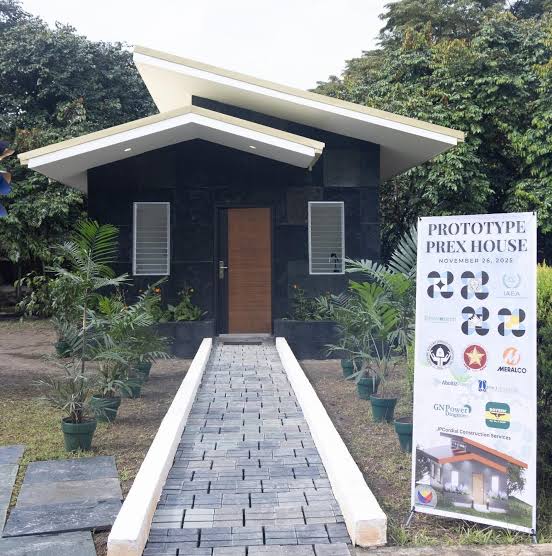
The 3rd innovation I read of was just last week. Various companies in the Philippines are turning plastic waste into construction materials for homes and other useful structures. There’s various methods developed, but the most promising method is using high energy radiation to strengthen and process plastic to create stronger chemical bonds. This reduces the costs of building materials, reduces plastic waste, and creates new jobs and housing.
Along with the discovery in Japan that certain types of bacteria in seawater can consume PET plastics in seawater, which may lead to genetic modification of these bacteria and the digestive enzymes they create to speed up the decomposition of plastic pollution in the oceans.I really hope that these innovations are developed further, because they have the potential to solve many problems at once. Reduce plastic pollution, improve environmental and public health, create materials at a lower cost, and create new jobs in lower income communities and countries.
Plastic Pollution could be solved by science and engineering, if there is a proper funding and enough people in various countries who want to make it so.

 HETTY
HETTY 
Leave a comment